High hopes: Melbourne’s giant leap into the jet age
You would think a book about an airport would be for nerds only, but this history of Tullamarine is a fascinating bigger picture than you would imagine.
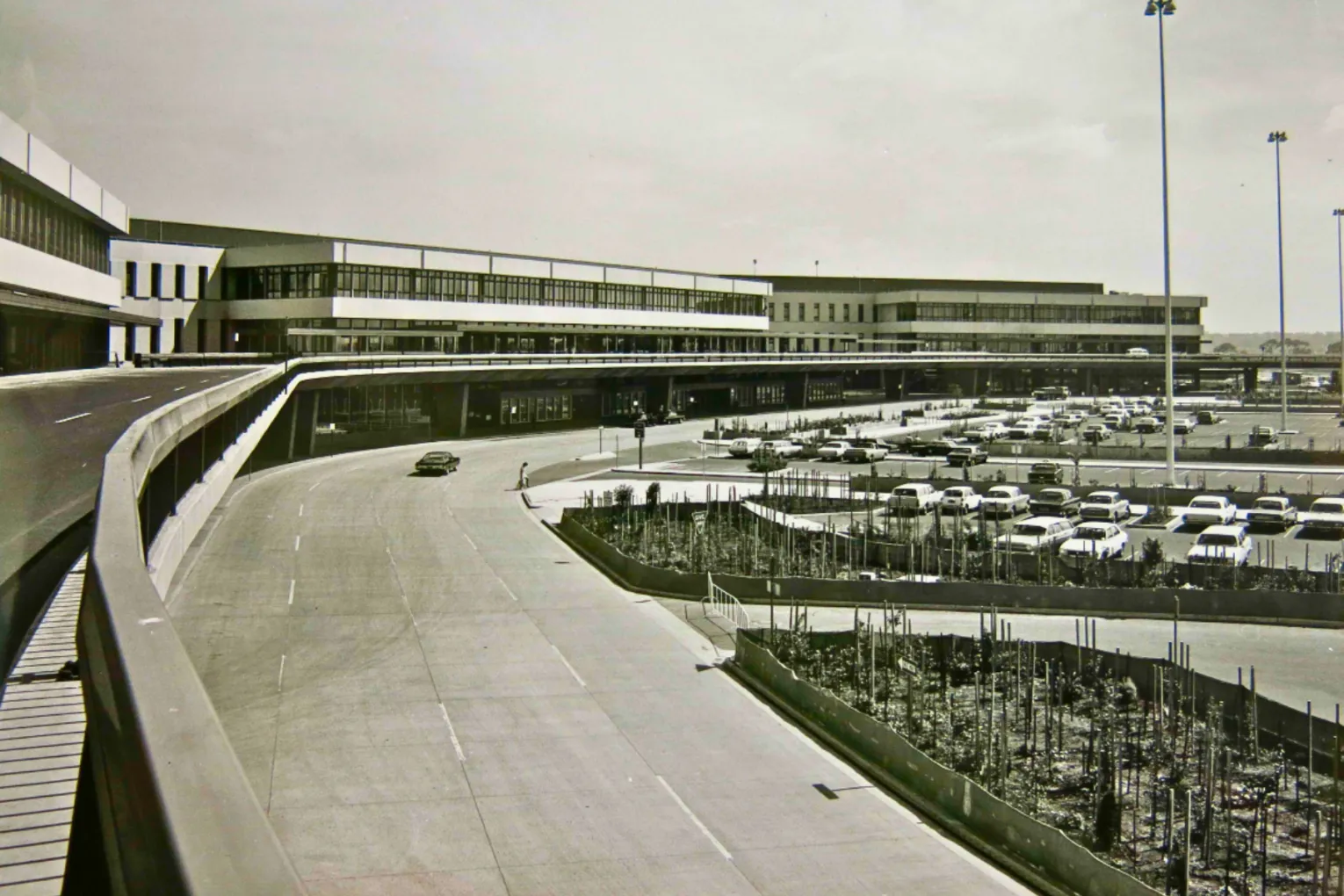
Melbourne Airport – better known as Tullamarine – is an amazing airport, but there’s a glitch. It has no train service. That’s a big glitch, actually.
Still, it was named best airport in Australia and the Pacific at the 2026 Skytrax World Airport Awards (marking its sixth win in seven years). Fair enough, I guess.
Coming and going from Tullamarine we use taxis, Ubers or sometimes limos. There is a good bus service, or so they tell me.
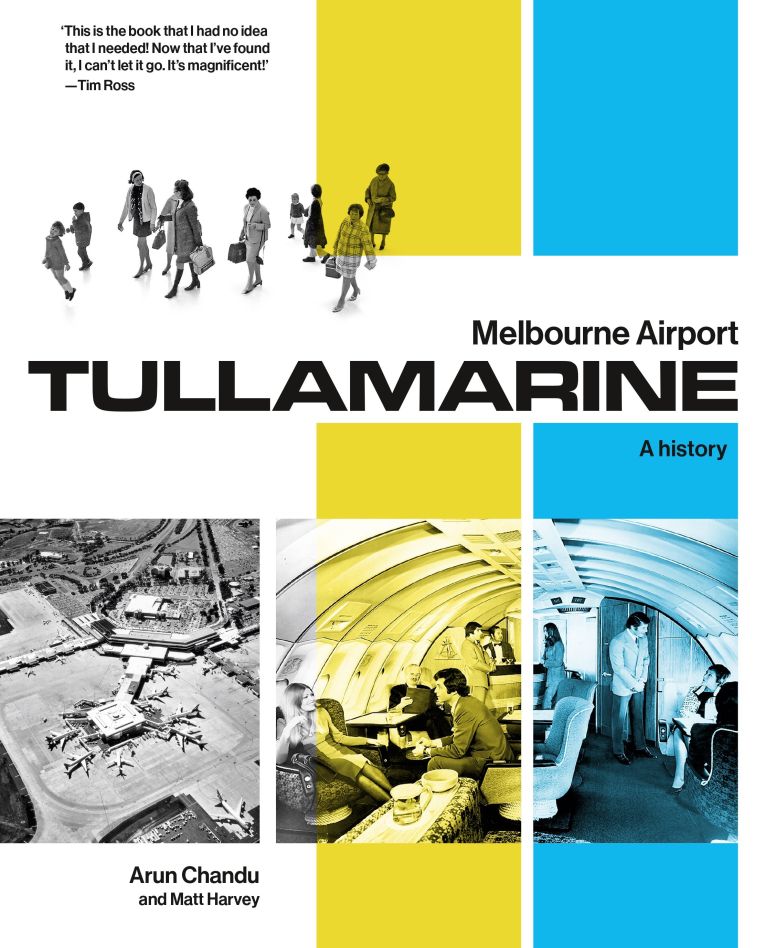
And the train will one day eventuate, although it will have been a long time coming. For at the very end of the fascinating book, Melbourne Airport Tullamarine: A History, by Arun Chandu and Matt Harvey, the authors do give us hope. They write:
 “A third runway has been approved, and a rail link is in the works. Tullamarine and its planning have stood the test of time, fulfilling Bill Bradfield’s vision of it as an Airport City of the future.”
Tullamarine was primarily planned and designed by Bill Bradfield (son of John Bradfield, the engineer of the Sydney Harbour Bridge and the man behind Brisbane’s iconic Story Bridge), who served as the principal planner for the project under the Commonwealth Government’s Department of Civil Aviation master plan.
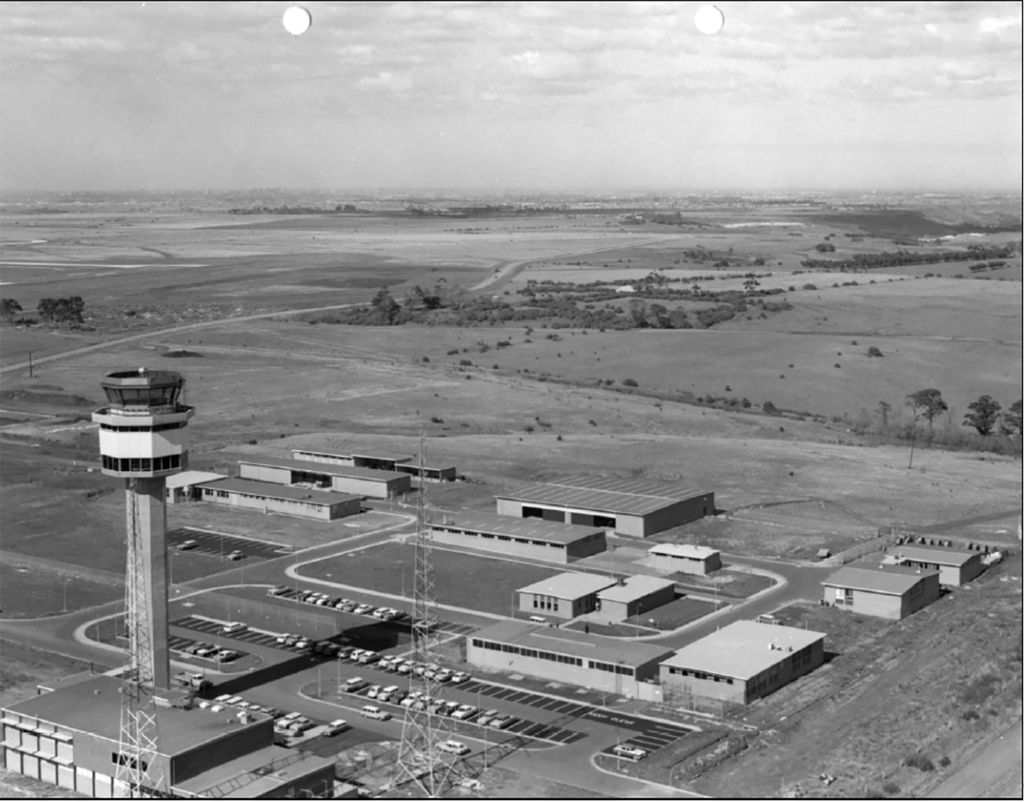
Tullamarine (Tulla, as some call it), was the first purpose-built Airport City in the world. No, really.
You might like
Its facilities in 1970 were unsurpassed by any international airport – it had a golf course, hotel, conference centre, art gallery, cinema, bottle shop, exhibition centre, multiple bars and a VIP lounge, as well as a fine-dining restaurant headed by an executive chef on his way to being awarded three Michelin stars. These facilities were built into Tullamarine’s plan by Bradfield.
Today, Tullamarine remains cutting-edge, with new and expanding terminals, upgraded car parks, more efficient roads, that third runway recently approved and that rail link “in the works”.
Discover the story of Tullamarine, from its planning and opening to its modern status as a benchmark for all international airport cities in this fascinating book, which is far more than just a history of Tullamarine. It’s very much about the story of aviation in Australia, too, and that’s what makes it engaging for everyone, not just all the nerdy plane spotters out there.
Personally, I love airports and planes. I grew up in Hong Kong, under the flight path into Kai Tak, so I have no issue with the noise of planes. In my home city of Brisbane we have a rather vocal minority opposed to aircraft noise and just about anything else to do with our airport. I live 10 minutes from Brisbane Airport, which I happen to love.
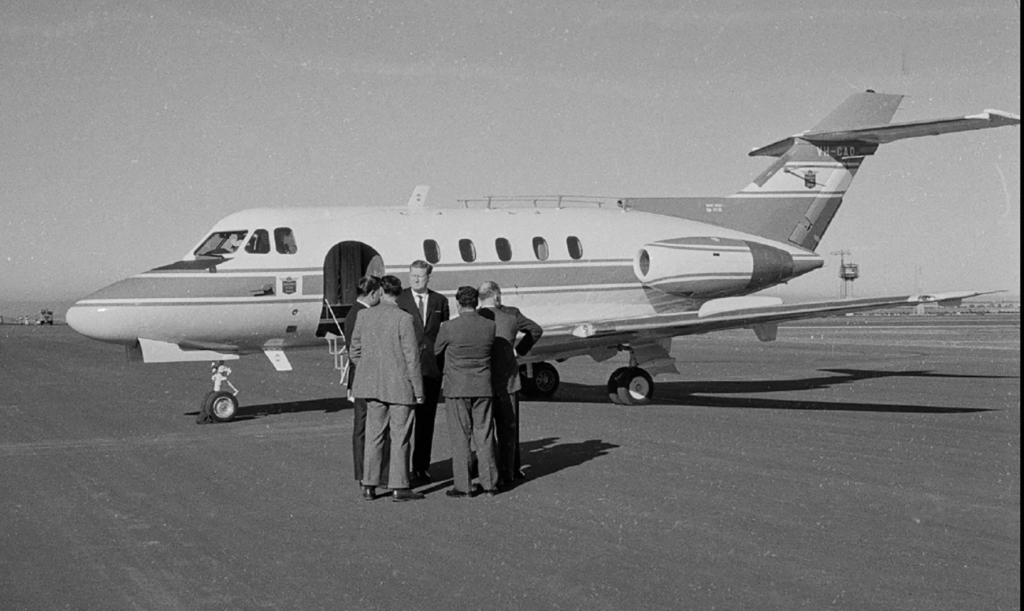
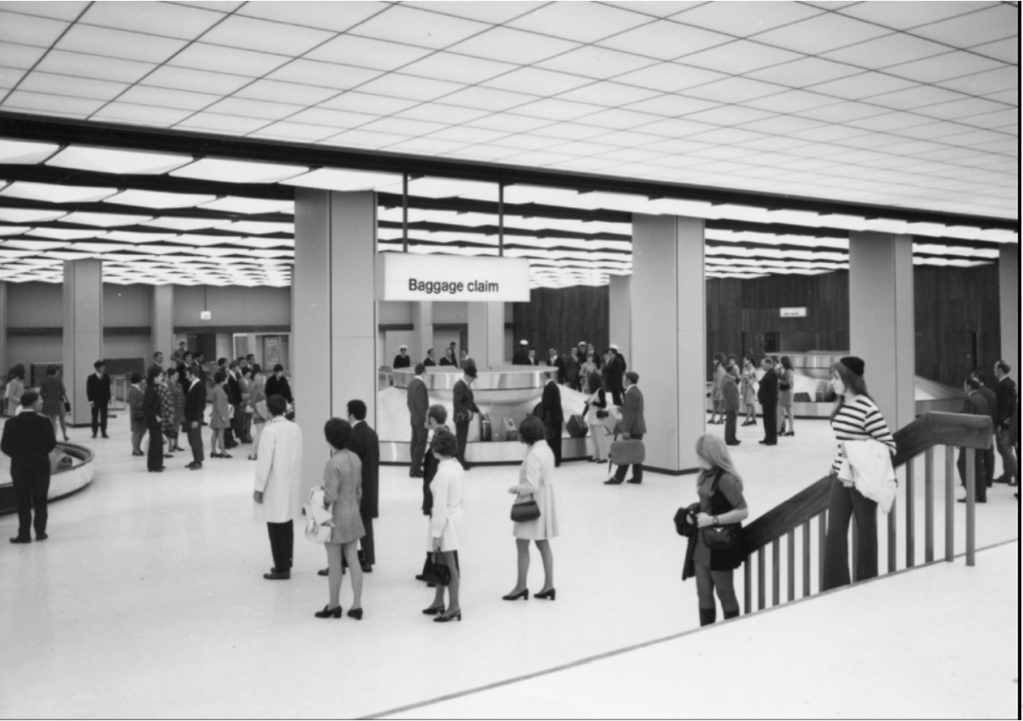
If like me aviation, aircraft and infrastructure are of interest you will eat up this book. It’s also a bit of a social history. Some of the photos in the book are nice and retro from that Come Fly With Me era when jet-setting became a thing.
There’s an hilarious photo on Page 34 of a man at the TAA check-in counter in 1972. He has a ticket in his hand and I’m not sure what he is saying, but the caption reads: “Excuse me, I was supposed to be in first class.” Weren’t we all!
Subscribe for updates
For those youngsters out there, TAA was Trans Australia Airlines, a major Australian government-owned domestic airline that operated from 1946 until 1992.
I learnt a lot from this book including things I felt I should have known but didn’t. For example, did you know that the famous escapologist Harry Houdini is officially credited with the first controlled, powered airplane flight in Australia? He flew a Voisin biplane at Diggers Rest, Victoria, on March 18, 1910. True story.
There’s a lot of comparisons with other airports in Australia and around the world and the authors point out that there is a major difference between Tullamarine and Brisbane Airport. That is “that Tullamarine’s seamless terminal combination design was not replicated at Brisbane, which has physical separation of the international and domestic terminals”.
The authors point out that such separation is problematic. At Tullamarine it is easier.
I must say, even without a rail link, it’s pretty pleasant getting from the city to the airport in Melbourne, for a very good reason.
“When it opened in 1970, the Tullamarine Freeway was extraordinary for Australia,” the authors write. “No other airport in Australia had a purpose-built, dedicated freeway.”
They go on to say that the “combination of the freeway and rail link would have been a perfect match”, adding “unfortunately, the rail-link did not proceed”. That’s a recurring theme in the book.
At this stage we can expect one to be completed by 2033. Better late than never.
If it had been built with the airport it would have only cost about four million pounds. The cost in 2019 was placed at $13 billion. Some say we are now looking at $15 billion, but who knows how much that will blow out by in the end.
Hell, let’s get it done. Then our best airport will be even better.
Melbourne Airport Tullamarine: A History by Arun Chandu and Matt Harvey, NewSouth, $49.99.
Want to see more stories from InDaily Qld in your Google search results?
- Click here to set InDaily Qld as a preferred source.
- Tick the box next to "InDaily Qld". That's it.
Free to share
This article may be shared online or in print under a Creative Commons licence