Fly me to the moon … digital outreach program takes off
Arts education pioneers Flying Arts Alliance have launched an ambitious new digital program connecting a new generation of primary students with leading artists and extraordinary places.
We are quietly allowing the arts to disappear from too many Australian children’s education, with profound consequences for the nation’s cultural future.
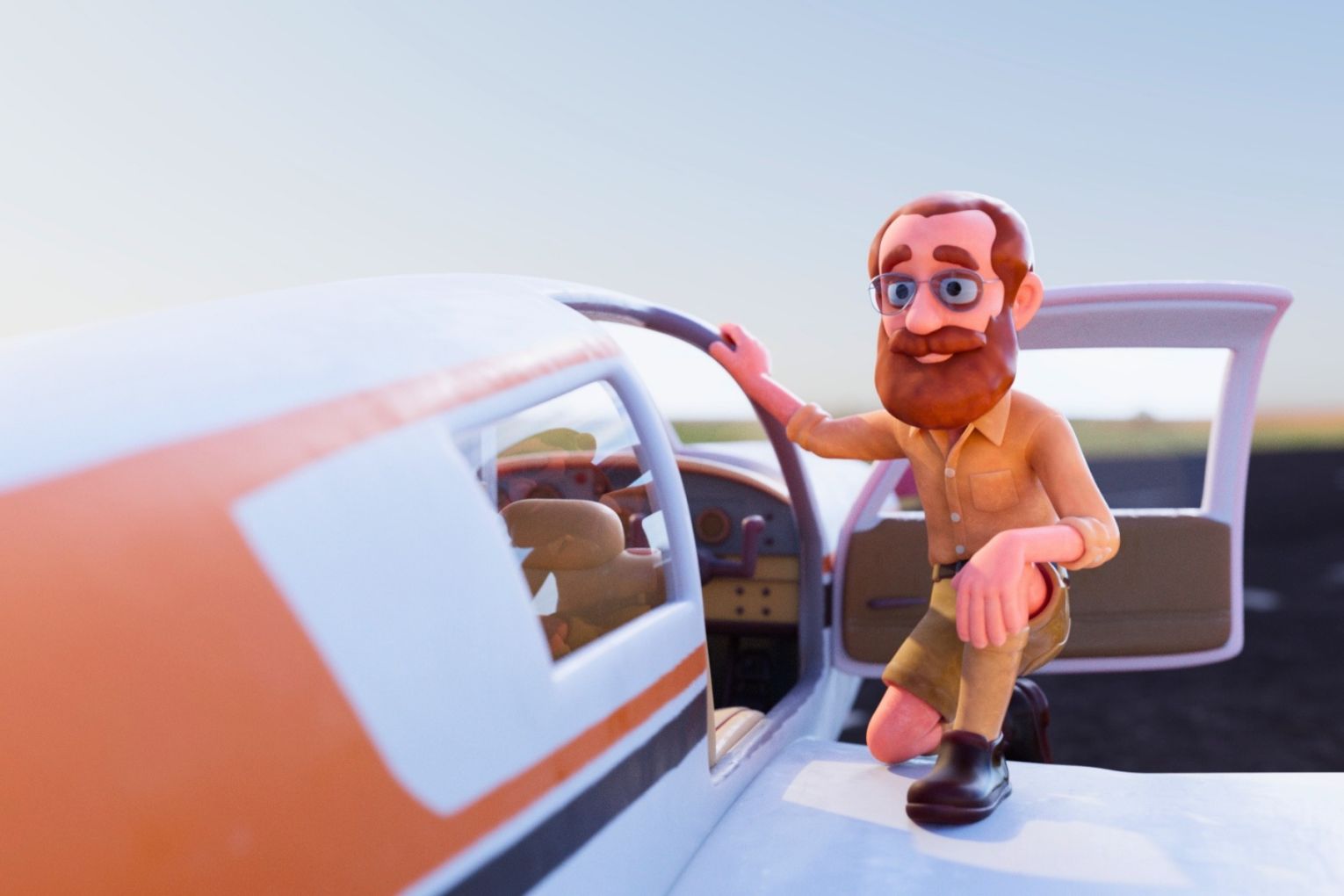
More than 55 years ago, Mervyn Moriarty flew the flag for arts education in Queensland. Literally. He learned to fly, bought a small plane and set off across regional and remote Queensland teaching art to young people who might otherwise never have had the opportunity.
The Australian Flying Arts School was born, the antecedent of today’s Flying Arts Alliance.
Over the decades that followed, Moriarty travelled more than 400,000km, from the Outback to the Torres Strait, driven by a simple conviction: where you lived should not determine whether you had access to art.
More than half a century later, it is remarkable how urgent that idea still feels. Australia has put the arts in our national curriculum. We have decades of evidence about the value of creative learning. Yet the warning signs for arts education are increasingly difficult to ignore.
Research published earlier this year by the Australian Journal of Education found enrolments in senior secondary ATAR arts subjects fell by 21 per cent nationally between 2015 and 2023. In Queensland, the decline was 45 per cent, the steepest of any state. Yet there had been no coordinated national response to address the decline.
The reasons are complex, from subject scaling and perceptions of what constitutes a “serious” academic subject to changing pathways and pressures on schools.
But declining enrolments can have another consequence: schools begin changing what they can afford or justify offering.
You might like
That should prompt us to look much earlier. If fewer young Australians are choosing the arts at the end of their schooling, what happened during the years before they got there?
We cannot wait until a student is 17 and choosing their senior subjects to decide that creativity matters. The Australian Curriculum recognises this, with every student expected to study the arts until the end of Year 8.
We sometimes undermine the case for arts education by defending it only as the beginning of a career in the arts. Most children who pick up a paintbrush will not become professional artists, just as most children who study mathematics will not become mathematicians. That isn’t the point.
Arts education teaches children to make, think and see the world differently. Those abilities matter whether they become an artist, an engineer, a teacher, a scientist or something we don’t yet have a name for.
The question is whether we are making it realistically possible for every school to deliver it well.
Primary teachers are asked to teach across an extraordinarily broad curriculum, often without specialist training in every subject. For those without a visual arts background, turning curriculum requirements into meaningful and engaging experiences can be daunting.
Telling an already stretched teacher that arts education matters, does not give them the confidence or expertise to teach it. Another curriculum document doesn’t put an artist in the classroom. We need to think differently about how we help schools deliver quality arts education.
That brings Flying Arts back to the same question Mervyn Moriarty set out to answer more than half a century ago: how do you bring a potentially life-changing arts education to hard-to-reach communities? In 1971, the answer involved a plane. In 2026, we have a few more options.
Technology can bring artists, places, ideas, and high-quality teaching into classrooms that specialist educators cannot physically reach.
Subscribe for updates
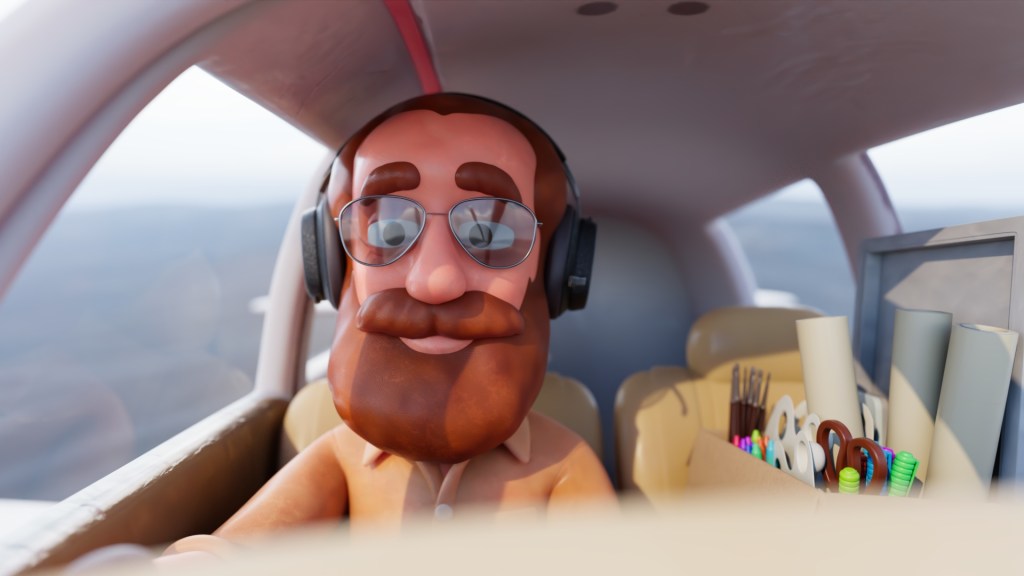
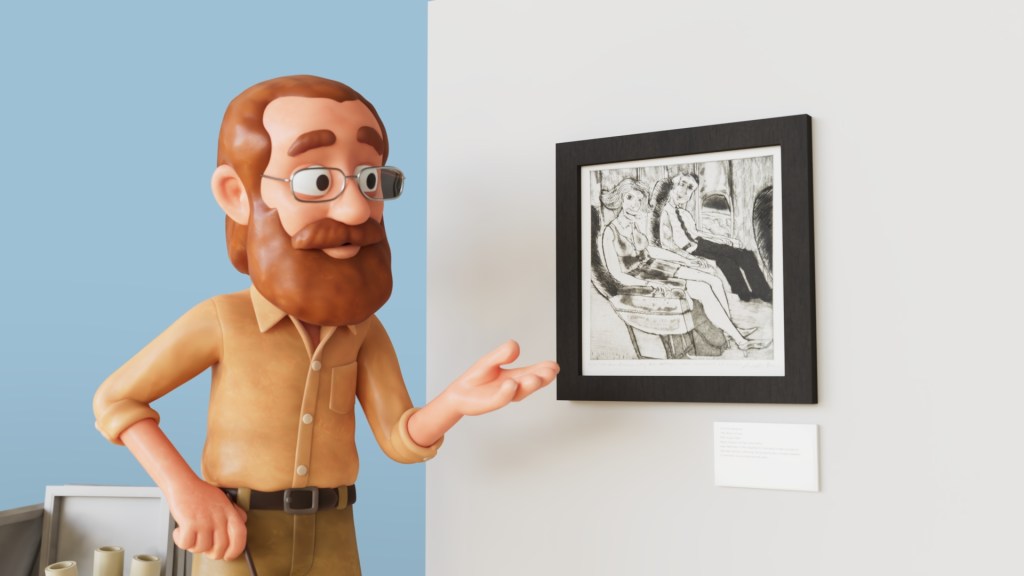
That thinking led Flying Arts to create For Schools, a curriculum-aligned visual arts program designed to make quality arts education easier for primary teachers to deliver, regardless of their arts background or where their school happens to be.
Delivered by professional artists, students make art while travelling through Townsville, the Scenic Rim and the Torres Strait, encountering landscapes, communities and stories along the way. Guiding them is an animated Merv himself, taking the original Flying Artist into classrooms he could never have reached in one little plane.
Digital delivery will never replace specialist arts teachers, practising artists or encountering art in the real world. Nor should it. But when the old model cannot reach every child, we need to find new ways that can. It is time for us to think creatively to inspire the next generations.
We need to give teachers practical support rather than another expectation, use technology thoughtfully to expand access and stop allowing a child’s postcode or their school’s resources to determine the quality of their creative education.
More than 55 years ago, Mervyn Moriarty looked at the vast distances separating regional communities from arts education and decided the answer was to get in a plane.
We do not need every art teacher in Australia to learn to fly, but we do need the same determination to find a way through.
The question is no longer whether arts education matters. We settled that when we put it in the national curriculum.
The question is whether we care enough to make sure every child can actually experience it.
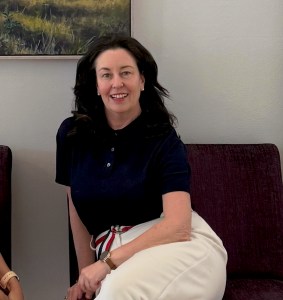
Toni Palmer is the CEO of Flying Arts Alliance.
Not-for-profit association Flying Arts Alliance is supported by the Queensland Government’s Arts Queensland and by the generosity of corporate partners and philanthropic supporters.
Want to see more stories from InDaily Qld in your Google search results?
- Click here to set InDaily Qld as a preferred source.
- Tick the box next to "InDaily Qld". That's it.
Free to share
This article may be shared online or in print under a Creative Commons licence