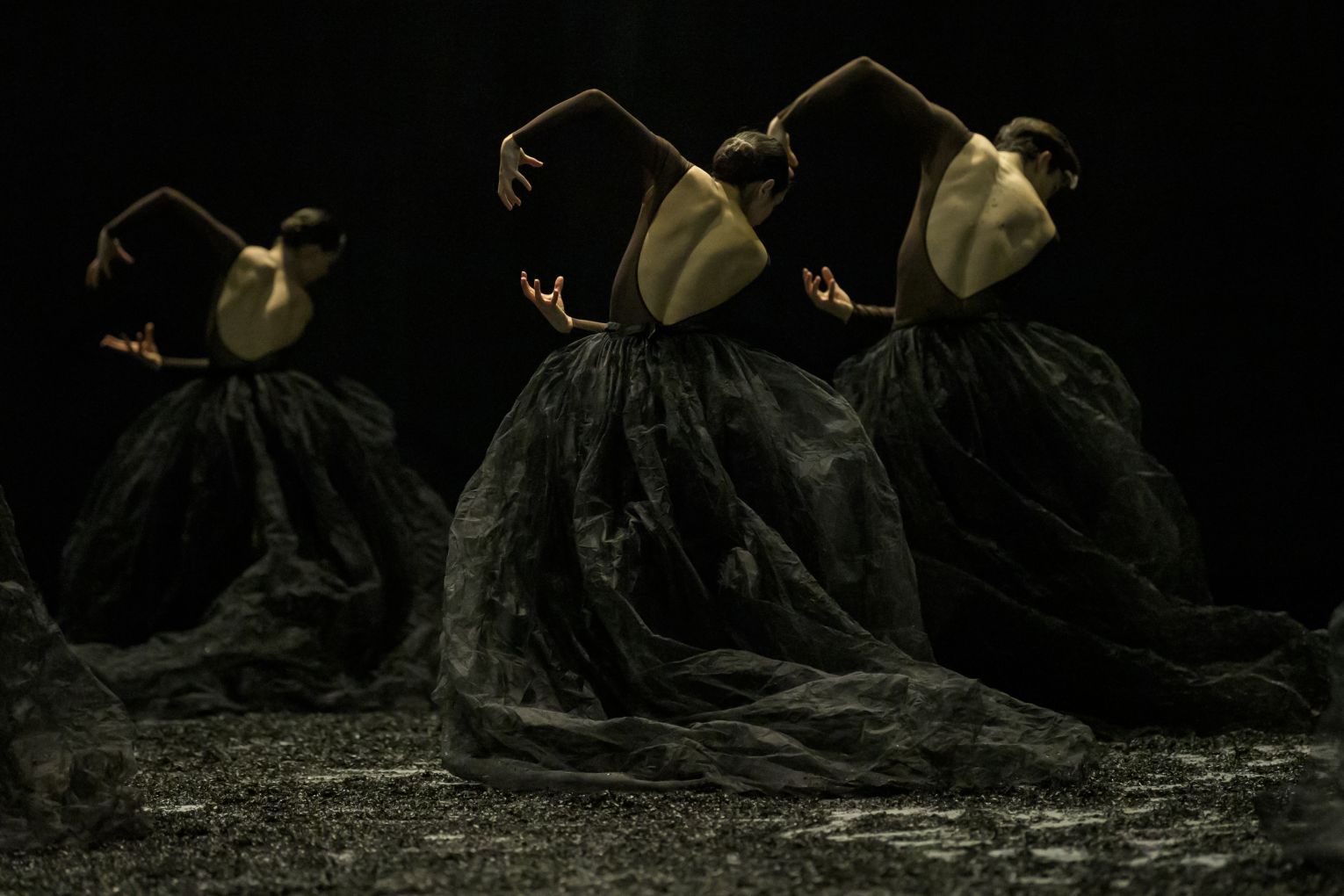
Acclaimed German choreographer and director Christian Spuck will miss a key moment in the Brisbane rehearsals of his monumental production, Messa da Requiem.
Verdi’s score takes shape in movement and sound in this work, which will open Queensland Ballet’s season 2026. It will feature music by the Queensland Symphony Orchestra, conducted by Simon Hewett, as well as the Brisbane Chorale and Canticum Chamber Choir.
As well as the choirs, this epic production will feature some impressive singers including sopranos Eva Kong and Naomi Johns, mezzo sopranos Milijana Nikolic and Cassandra Siederman, tenors Diego Torre and Kyle Stegall and basses Jud Arthur and Jeremy Kleeman. They will join a cast of 35 dancers, 110 choristers and 67 musicians.
This is a major coup for Queensland Ballet, as it will open the long-awaited (and long overdue) Glasshouse Theatre at QPAC in March, something Spuck was chuffed about when I spoke to him in December when he was here on a flying visit. He was here to sort out technical issues, casting and other practical and artistic matters.
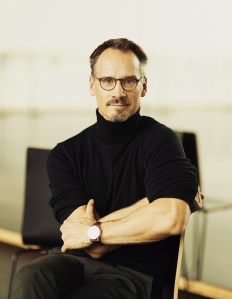
The day after his arrival we spoke at the newly refurbished Thomas Dixon Centre, QB’s home. He’s back in Berlin now and will have assistants here to set the ballet before he returns for a final flourish ahead of opening night. He was impressed with QB’s home and with Brisbane.
“Everyone is so friendly,” he says. “In Berlin people are a bit more reserved.”
As for opening our new theatre – no pressure – well, he is thrilled but wary.
You might like
“We have had some of our opera houses renovated and they are years behind schedule,” Spuck says. I assure him that we are on track, and he relaxes a bit.
“I walked past it yesterday,” he says. “It looked great. Tomorrow I am having a tour. They told me I have to wear long sleeves and a helmet.”
“And high-vis,” I add, having done the tour myself.
‘When the choir started moving and the dancers had 100 people around them singing, some of them started crying’
It’s while Spuck is away that one of the most magical moments will occur – that first time when dancers and choirs work together. He has mounted this production numerous times in Europe and once before in Australia and he remembers the very first time this occurred at rehearsals.
“When the choir started moving and the dancers had 100 people around them singing, some of them started crying,” he says. “It was so emotional.”
Of course, it is an emotional work by its very nature.
Verdi’s Messa da Requiem is a dramatic setting of the Catholic funeral mass, composed in memory of Italian writer Alessandro Manzoni, that explores themes of death, judgement and redemption with operatic power, moving from terrifying depictions of the Last Judgment (like the famous Dies Irae) to pleas for mercy, creating intense emotional contrasts through soloists, double choir and orchestra.
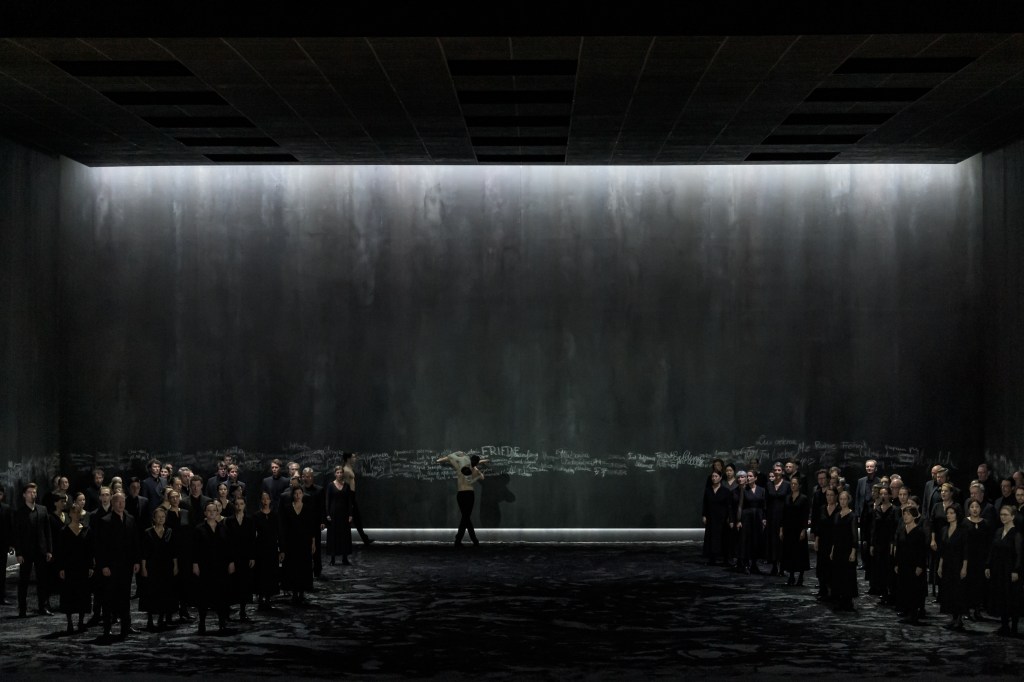
It functions less as a liturgical piece and more as a grand concert work, highlighting Verdi’s genius for humanising sacred text with visceral emotion, fear, hope and awe. Spuck does not view it as a religious work.
Subscribe for updates
“I think Verdi’s approach is a much more human than religious approach,” he says. “I don’t view it as a religious work. It is a deeply human work, which is how I read it.
“Verdi’s Messa da Requiem stands as one of the most profound statements on life and death ever set to music. Verdi blended the drama of his operas with the solemnity of the Latin mass – a colossal fusion of operatic drama and sacred intensity.
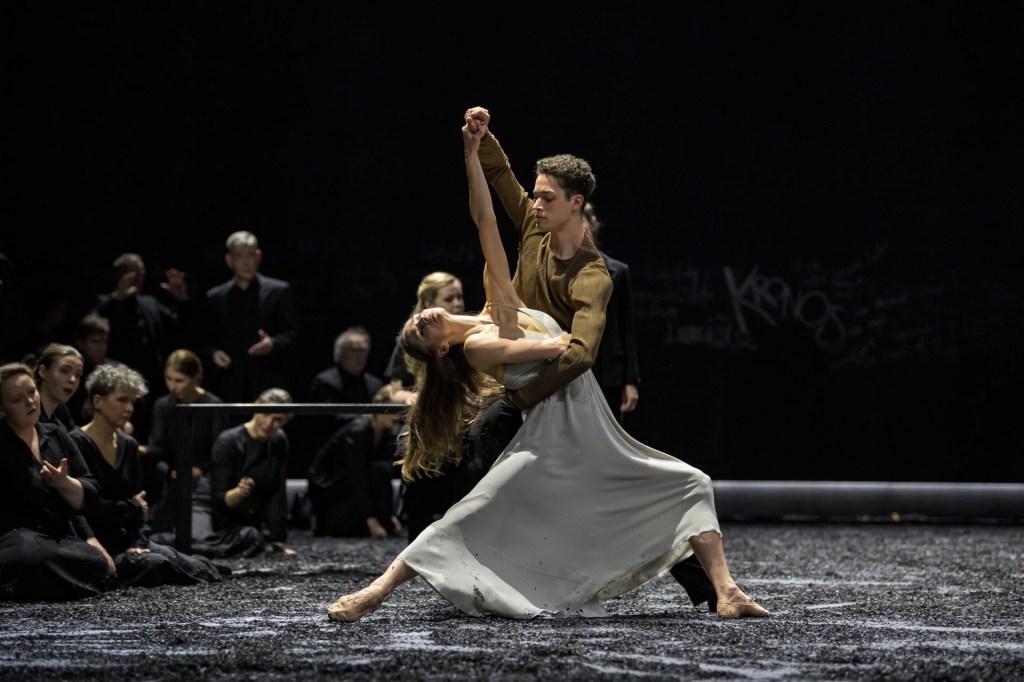
“However, I did not want to place the religious interpretation of the text at the centre. Rather, my intention was transforming Verdi’s score into a mass of human expression — about the inevitability of death, the need for consolation and our eternal hope for redemption. Verdi’s music is beyond words. It is a powerful reminder of how music can bring us together, and an invitation to reflect on something beyond ourselves.”
QB artistic director Ivan Gil-Ortega describes the production as a masterwork that delivers a transcendent experience and redefines the possibilities of ballet. With a cast of more than 100 artists, Messa da Requiem will sweep across the stage as Verdi’s score takes shape in movement and sound.
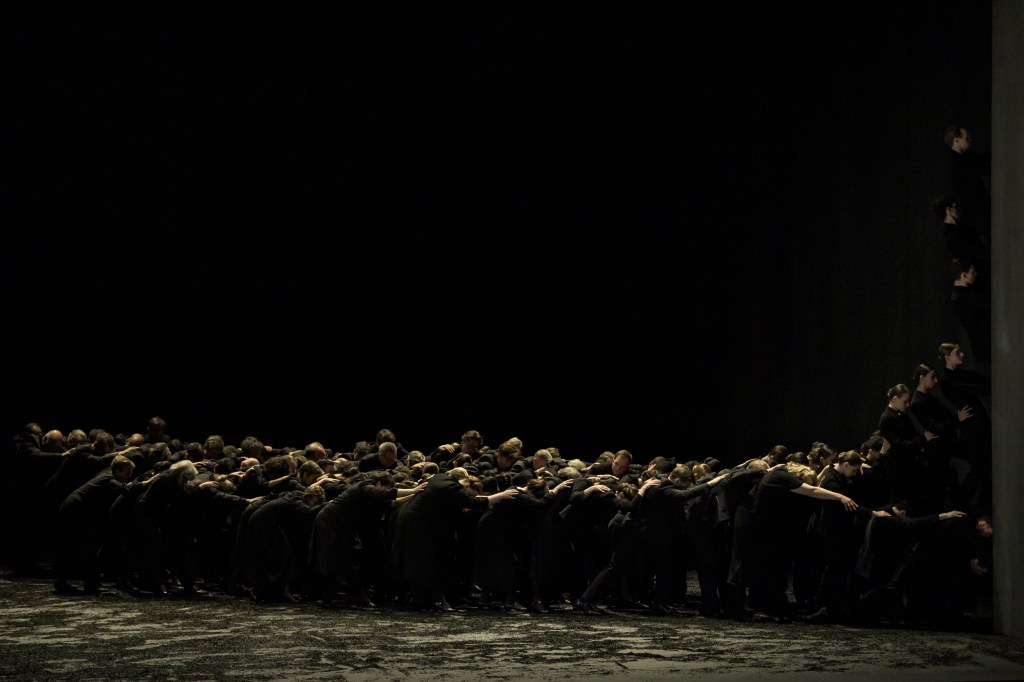
“More than a performance, Messa da Requiem is an emotional and spiritual journey brought vividly to life by extraordinary artists, ”Gil-Ortega says. “Verdi’s score will soar under the mastery of Queensland Symphony Orchestra, led by internationally celebrated conductor, Simon Hewett, alongside sought-after soloists in partnership with a commanding chorus.
“This is a convergence of astonishing talent and vision, delivering a dramatic tapestry of music and dance, which will stay with audiences long after the final note.”
QPAC chief executive Rachel Healy says Messa da Requiem stands as a bold cultural statement.
“For Queensland, this collaboration of leading cultural companies celebrates who we are and where we are headed as a creative state,” she says. “With the opening of the Glasshouse Theatre, we are not only expanding our artistic horizons but also cementing a cultural legacy that will inspire pride and recognition well beyond our borders.”
Christian Spuck is currently the artistic director of the Staatsballett Berlin (Berlin State Ballet), a position he has held since the start of the 2023/24 season. He and Ivan Gil-Ortega are close friends who have known each other since they were young dancers. Choosing Spuck’s Messa da Requiem as the first work for season 2026’s Glasshouse Theatre premiere is something of a master stroke.
The occasion required something with a certain gravitas and this work has it in spades. It was first performed in Milan in 1874. Spuck first heard it at the age of 17 and it has captivated him ever since. He has created a ballet production around it that has wowed audiences all over Europe – and now it will open the Glasshouse Theatre.
Messa da Requiem will be staged at QPAC’s Glasshouse Theatre, March 27 to April 4.
Want to see more stories from InDaily Qld in your Google search results?
- Click here to set InDaily Qld as a preferred source.
- Tick the box next to "InDaily Qld". That's it.
Free to share
This article may be shared online or in print under a Creative Commons licence