Monster mash: Howling down the werewolf within
The legend of the werewolf goes back thousands of years but Brisbane Festival’s offering is actually a clever commentary on mob mentality and fear-mongering and how quickly people can turn into monsters.
Us humans have been fascinated by werewolves for a very long time. The Mesopotamians talked about werewolves all the way back in 2100 BCE and the Greeks told the story of how Zeus turned King Lycaon into one as well.
More modern examples include Michael J. Fox’s comedy Teen Wolf and Tyler Posey’s drama series Teen Wolf. And in 1978 Warren Zevon saw a werewolf with a Chinese menu in its hand walking through the streets of Soho in the rain in the song, Werewolves of London.
Now, New Zealand-based theatre company Binge Culture brings to Brisbane Festival an exciting new addition to the long list of werewolf fare.
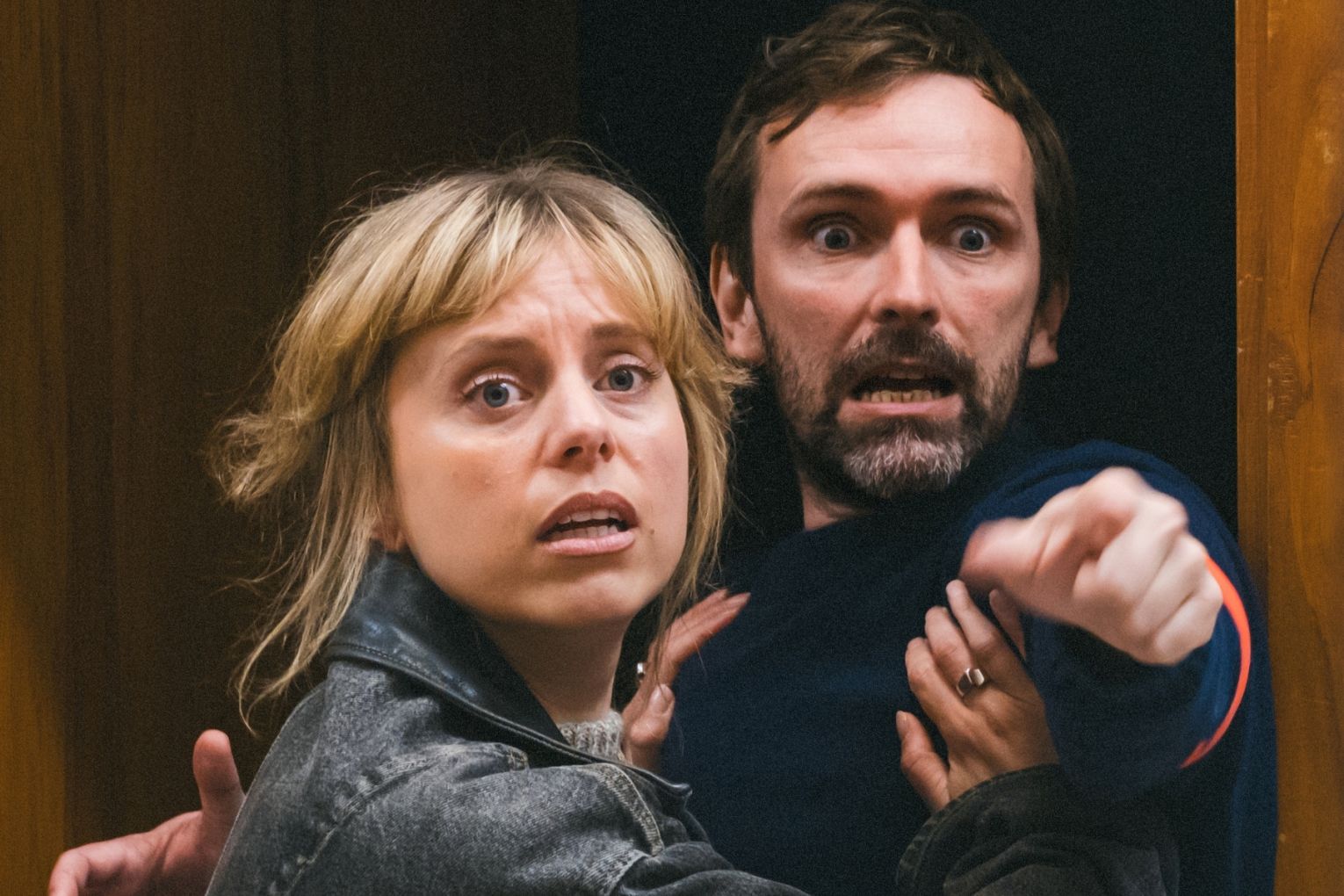
Werewolf is an immersive horror-comedy stage show inspired by the party/parlour game of the same name (sometimes also known as Mafia). The setup of Werewolf is that there has been a lycanthropy outbreak, and the theatre is the audience’s designated safehouse for six nights. Three actors play the wardens who want to keep everyone safe, but they have conflicting ideas on how to do so.
Joel Baxendale, creative director of Binge Culture (and one of the stars of Werewolf), says the company focuses on what they like to call “new-form theatre”, where they attempt to create a whole new form of performance out of their theatrical projects.
You might like
“My artistic practice explores alternative performance forms within a collaborative devising process, with a focus on activating the audience,” says Baxendale.
In Werewolf, this activation comes from the audience taking on the role of the “citizens”, the people who the wardens are trying to keep safe.
“Every audience gets a unique booklet with a secret piece of information or an action to do at some point during the show,” Baxendale says. “We want the audience to feel like they’re in the situation rather than observing it, putting them and the actors into the same physical and fictional space.
“It’s definitely a ride, but there’s deeper meaning in there, too. We originally devised the show right after COVID, so a lot of the circumstances of the show are informed by that time. Each of the wardens has their own ideas on how to survive.
“We hope the audience will understand where each of them is coming from and maybe think about how we act as a collective in times of crisis.
Subscribe for updates
“In Werewolf, the roles of ‘theatre audience’ and ‘citizens sheltering in a safehouse that happens to be a theatre’ are very close – it’s just a slight twist on their reality, which I think makes it easy for the audience to actively inhabit their role in that fictional setting. So, whether they are loudly piping up or not, they are still actively participating in the fiction, becoming characters for each other, and making the world of the show more expansive.
“I also think, for the audience, it’s an opportunity to playfully experience how they and others might behave in a fictional crisis (alongside genuine moments of pure terror).”
Werewolf has been performed across New Zealand and was recently staged at the Edinburgh Fringe Festival. Brisbane Festival will mark the Australian debut of the show.
“We’re stoked to be in Brisbane,” Baxendale says. “I haven’t been to the city since my university days. I went on a barely planned road trip with my brother and my best friend in a beat-up rental van that we won in a pub quiz.
“I’m excited to be coming back. I really like our venue, the Underground Theatre at Brisbane Powerhouse. It is giving strong bunker vibes, which is perfect for a show that wants the audience to believe that the space they’re in is a government-approved safehouse.”
Werewolf plays Brisbane Powerhouse, September 23-26.
brisbanefestival.com.au/events/werewolf
This article was written as part of The Critical Writing Program, run in partnership with Queensland Writers Centre and InReview Queensland, supported by the Queensland Government through Arts Queensland, part of the Department of Education.
Want to see more stories from InDaily Qld in your Google search results?
- Click here to set InDaily Qld as a preferred source.
- Tick the box next to "InDaily Qld". That's it.
Free to share
This article may be shared online or in print under a Creative Commons licence