It seems this dead Dodo has a beating heart
Internationally acclaimed Wakka Wakka brings its signature theatrical magic to Dead as a Dodo, a visually stunning production that blends puppetry, music and innovative stagecraft into an unforgettable adventure.
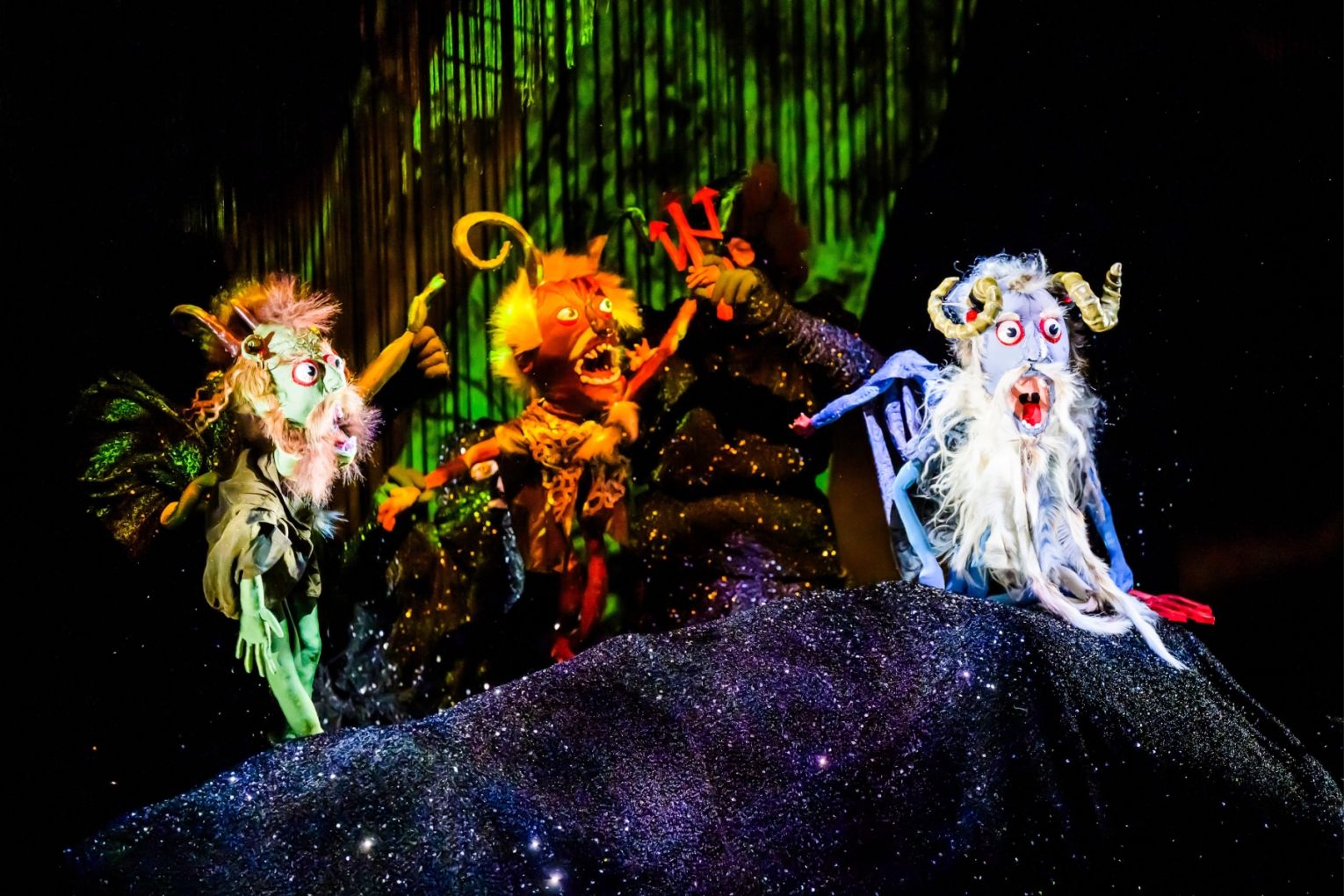
The stage is still, quiet, pitch-black. Then, slowly, something moves. A twinkling mass shuffles onto stage. What it is remains unclear at first. But, as the lights brighten and the music swells, the mass breaks. Then they turn to the audience. The mass has eyes.
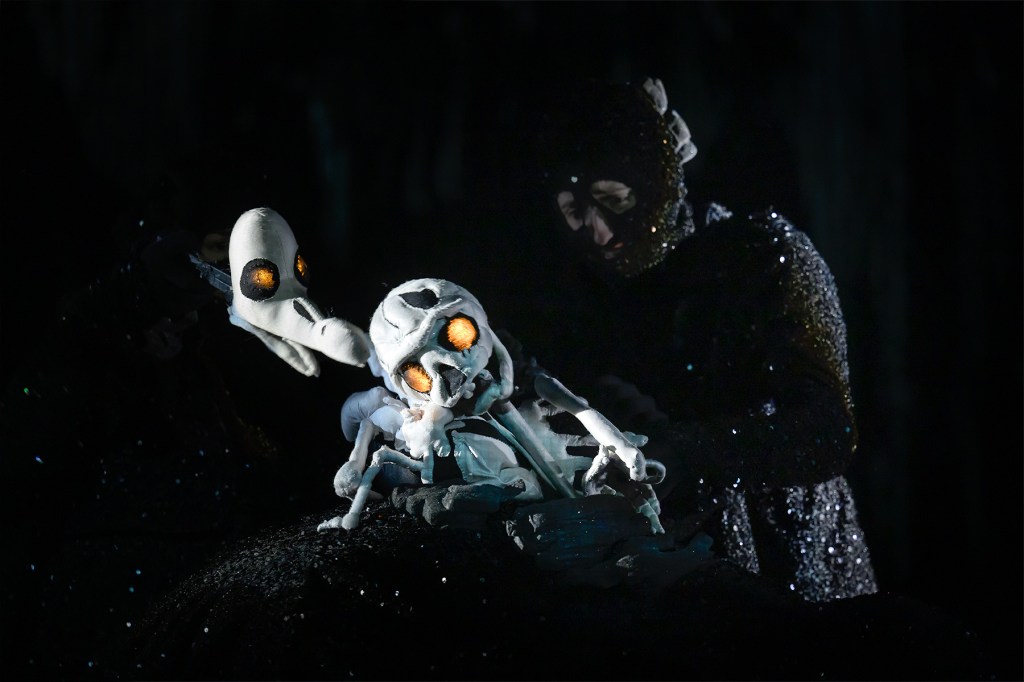
Dead as a Dodo is the latest show by internationally acclaimed visual theatre and puppetry company Wakka Wakka (based in New York and Oslo), making its Australian premiere at this year’s Brisbane Festival. It follows two skeletons, Dodo and Boy, as they dig for bones in the underworld to maintain their skeletal forms. But when Dodo sprouts feathers, the pair are thrust into a battle of life and death that tests their friendship beyond anything they have experienced.
These puppets are the star of the show. Each is manipulated by several puppeteers of Wakka Wakka’s ensemble, allowing every character to be expressive and exaggerated in their movements. Dodo and Boy jump and twist across the stage, their skeletal aspect allowing for greater flexibility – even when limbs fall off and are reattached.
These puppets greatly enhance the story – the underworld feels more real to the audience because the skeletal characters can dangle, disassemble and recombine like true skeletons. Also, the skill on display by the puppeteers is impressive, particularly how effectively they create sympathy for non-human characters.
But to truly appreciate the puppetry, both the lighting and set design must be discussed. The set is minimal, with props and set pieces moved on and off the stage, as required. Much of this is dressed in glittering black cloth similar to the puppeteers’ costumes, allowing props to camouflage with the darkness.
Hanging from the ceiling are staggered layers of thin black needles, with projections of stalactites, giving the stage the illusion of greater depth. This is enhanced by the back wall’s LED screen projections that make the stage feel expansive.
Alongside this, the lighting is kept minimal, allowing much of the stage to remain dark and indistinct, mirroring the cave environments in which the characters find themselves. This hides the puppeteers and allows the audience to focus on the puppets, also giving the performers the freedom to move around in the background without notice.
The set is further enhanced by the puppeteers. When they are not puppeteering, they will crouch or curl into balls to form the rocks and landscapes on which Boy and Dodo stand. It’s an inventive way to keep the set minimal yet fun for the audience. Though this idea is used less in the second half of the production, when the story shifts focus to the changing friendship of Dodo and Boy.
Subscribe for updates
For a performance so reliant on the concept of death to tell its story, the production approaches the subject with the kind of care and consideration that makes the show suitable for a family audience. The struggles surrounding Dodo and Boy’s friendship feel realistic in a way that all audience members, young or old, can connect with. The show also successfully and maturely explores the potential loss of friendship. For a piece about skeletal puppets, this is a spectacular achievement.
Such is the triumph of Dead as a Dodo. It’s full of heart and is a must-see performance for all ages. Though the play may be steeped in a world of death, rest assured; once the puppets take the stage, there is nothing quite as lively as Dodo and Boy.
Dead as a Dodo plays Brisbane Powerhouse until September 26.
brisbanefestival.com.au/events/dead-as-a-dodo
This article was written as part of The Critical Writing Program, run in partnership with Queensland Writers Centre and InReview Queensland, supported by the Queensland Government through Arts Queensland, part of the Department of Education.
Want to see more stories from InDaily Qld in your Google search results?
- Click here to set InDaily Qld as a preferred source.
- Tick the box next to "InDaily Qld". That's it.
Free to share
This article may be shared online or in print under a Creative Commons licence