The art of being a sidekick finally gets noticed
Feb 03, 2026, updated Feb 03, 2026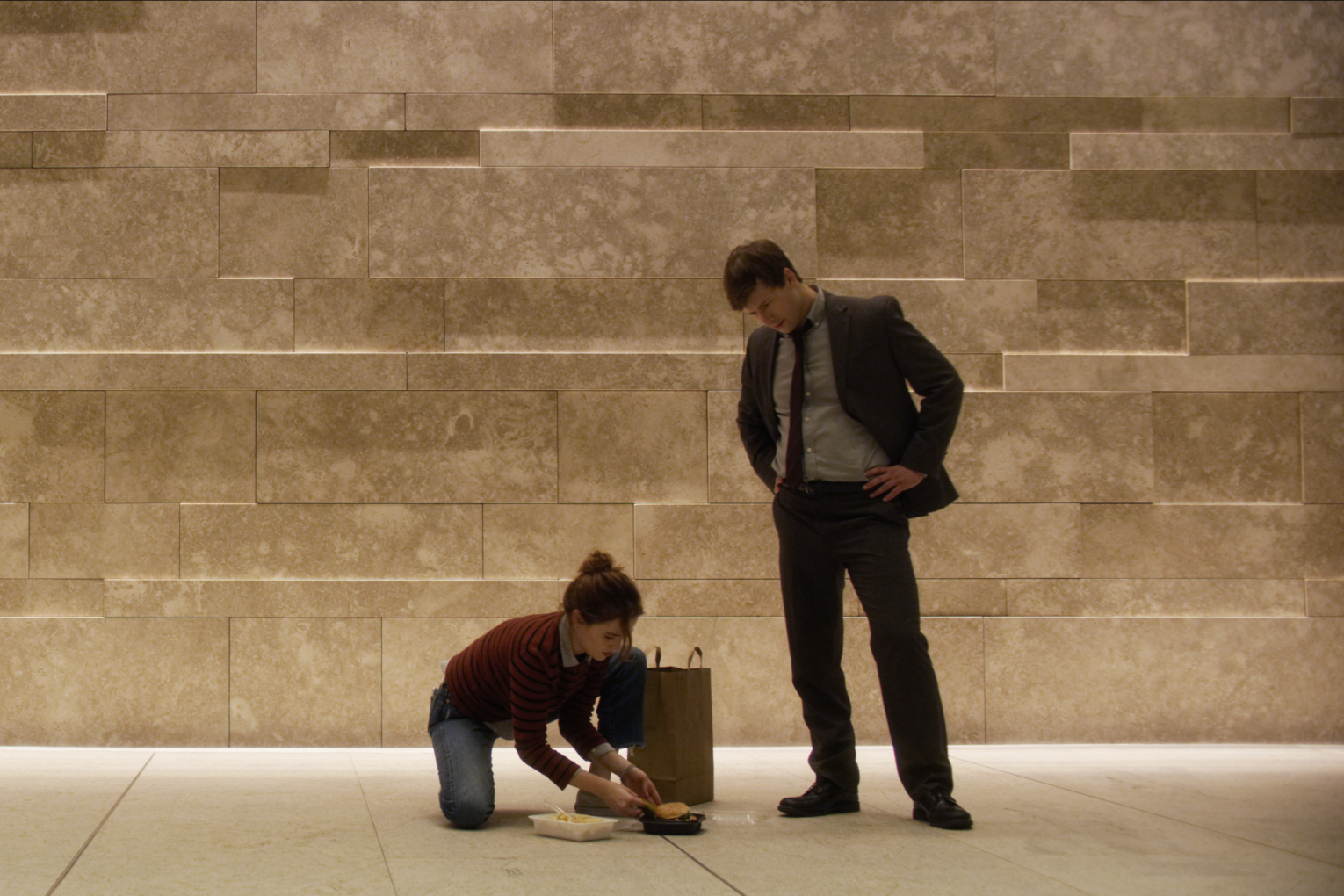
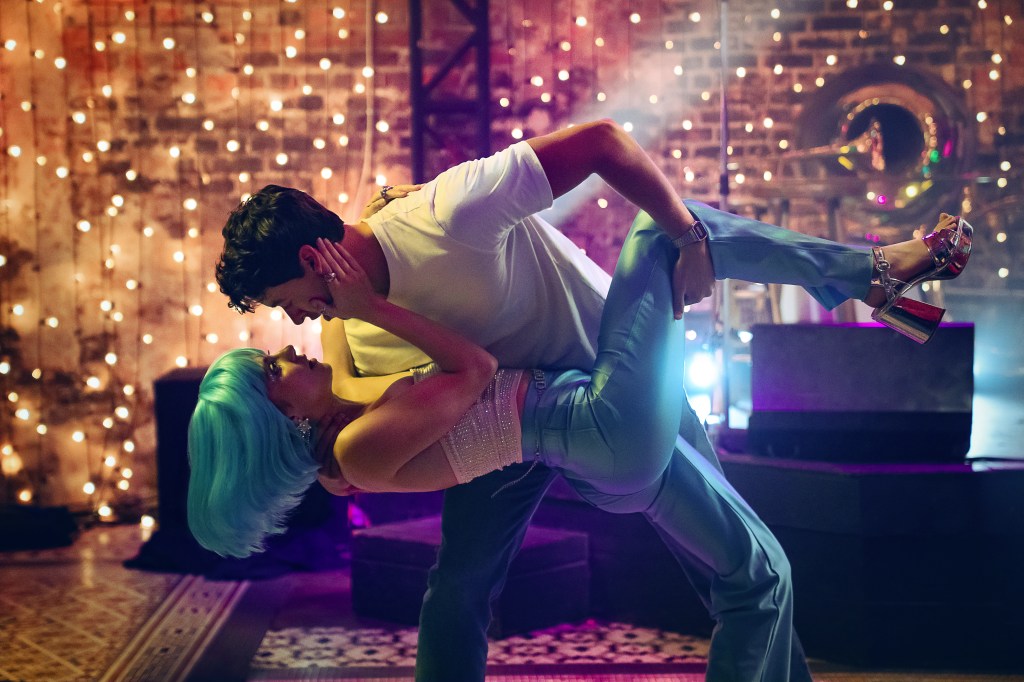
The other night I watched two Netflix romcoms back-to-back – Set It Up (2018) and People We Meet on Vacation (2026). The first is a modern-day classic, a movie that would have been a blockbuster in a non-streaming era. The second has its charms but isn’t as effective. Part of this is due, inevitably, to casting, but there are also clear differences in terms of script quality.
Specifically, People We Meet on Vacation is hampered by the absence – well, minimal presence – of a crucial part of the romcom genre – sidekicks. Set It Up, on the other hand, is basically about sidekicks (the plot concerns two assistants who get their bosses together) and their sidekicks.
Few characters types are more maligned, or crucial, than the sidekick. They exist to carry exposition. They make the hero seem more desirable, smart, brave, realistic, sympathetic, warm or less racist. They are frequently mocked, humiliated, or cut out of scenes. In dramas, they often die. They are always overshadowed. But they are also indispensable.
Remove a sidekick and that exposition has to be conveyed in some other, clunkier way. Without sidekicks, a writer has to do extra work to show that heroes are brave, sexy, desired, non-judgemental, good, deeply sensitive …
This is the problem with People We Meet on Vacation– we mostly spend time with the leads Poppy (Emily Bader) and Alex (Tom Blyth). We don’t get to see them with sidekicks who would really flesh out their characters.
You might like
In contrast, the two leads of Set It Up, Harper (Zoe Deutch) and Charlie (Glenn Powell), are not only ostensibly sidekicks to their bosses, they have their own sidekicks in their roommates, Becca (Meredith Hagner) and Duncan (Pete Davidson). Thus, the characters in Set It Up have extra dimension, depth, sympathy, clarity and likeability.
The most famous fictional sidekick is probably Dr Watson, the companion to Arthur Conan Doyle’s legendary detective Sherlock Holmes. In many ways Watson is a thankless character – he scribbles stuff down, goes “wow that’s amazing”, follows Holmes around and asks a lot of questions. On the other hand, Holmes gets to be brilliant, flamboyant and wear a cool hat. But imagine Holmes without Watson – he’d have no one to bounce off, no one to explain things to, no one to ground him as a character. The audience would have no surrogate, so they’d just be watching Holmes on some cocaine-fuelled rant without knowing what’s going on, like a 1970s Dennis Hopper film.
Not every sidekick performs a Watson-style function, however. What a sidekick does in a novel, TV series, film, podcast or stage play depends on the hero.
For instance, Larry David’s various sidekicks in TV’s Curb Your Enthusiasm – notably Jeff (Jeff Garlin) and Leon (J.B. Smoove) – existed to give Larry someone to rant to, or to provide a counterpoint to his rants.
the sidekick is there to serve the hero, not the other way around
The main purpose of Kimmy (Andre Barber) in Full House was to cause chaos and liven up her sensible yet dull friend DJ (Candace Cameron). Rhoda (Valerie Harper) in The Mary Tyler Moore Show made Mary (Mary Tyler Moore) seem sane.
Subscribe for updates
Goose (Anthony Edwards) existed in Top Gun to make Maverick (Tom Cruise) seem more warm and likeable and then die, thus giving Maverick something to overcome in the third act. And in the 1939 Hollywood film Dark Victory, the character of Ann (Geraldine Fitzgerald) was created specifically to sob and bawl, so the terminally ill lead, Judith (Bette Davis), wouldn’t have to cry and thus look more brave and noble.
The functions, appearance, age and role of the sidekick thus varies, but one thing remains constant – the sidekick is there to serve the hero, not the other way around.
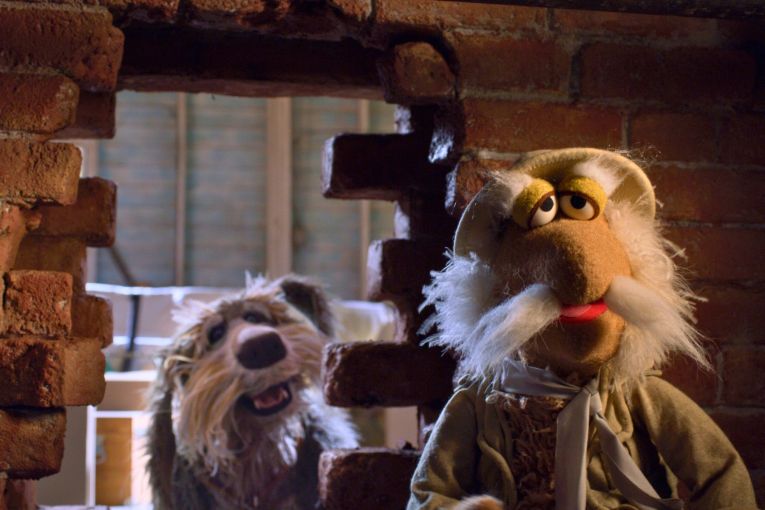
There’s an old writing trope called “pat the dog/kick the dog”, which is used to show how we are meant to feel about a character. If someone pats a dog, they are nice (even if they seem grumpy and mean). If they kick a dog, they are bad (even if they seem nice). Well, sidekicks are like the main hero’s dog. Indeed, some of the best sidekicks are actual dogs, eg “Dog” to Max in Mad Max 2 (1981). But a dog nonetheless – not an equal.

The role of the sidekick is the topic of my comedy play Sidekicks, playing at PIP Theatre in Brisbane this month. It’s about Mac (Simon Chugg) and CB (Tammy Tresillian), two sidekicks to the heroes in a romantic comedy. Well, Mac thinks they’re sidekicks, CB insists they’re heroes. Chaos ensues, with a bit of romance (and sex) as well as laughs.
Sidekicks is mostly a comedy but it also explores darker themes of the sidekick-hero relationship: co-dependency, bullying, manipulation, self-sabotage.
While I started writing out about sidekicks in terms of romantic comedies it was clear that sidekicks exist very much in the real world – friendship groups, families, workplaces, politics – and that relationship wasn’t always healthy and or supportive. In fact, it rarely is. We all know people in our lives who basically treat their friends or colleagues like their sidekicks – there’s even a popular term for it now, main character syndrome. And the main character-sidekick relationship can easily go toxic.
I wrote the play more than a decade ago, when it played sell out seasons in Sydney, Melbourne and Adelaide. This is its Brisbane debut and I couldn’t be happier with the cast or the venue. Come on down to PIP Theatre at Milton for a laugh. Bring your bestie and discuss later on who’s the sidekick and who’s the hero in your lives.
Sidekicks By Stephen Vagg plays PIP Theatre, 20 Park Rd, Milton, February 18 to 28.
Stephen Vagg is a Brisbane-based writer whose credits include Darby and Joan, Neighbours and the upcoming film All My Friends Are Back in Brisbane.
Want to see more stories from InDaily Qld in your Google search results?
- Click here to set InDaily Qld as a preferred source.
- Tick the box next to "InDaily Qld". That's it.
Free to share
This article may be shared online or in print under a Creative Commons licence