Family ties: Oasis reunites … on the big screen
It’s a moment in music history when Oasis brothers Liam and Noel Gallagher reunite and tour again – and it’s captured on screen in a compelling new film.
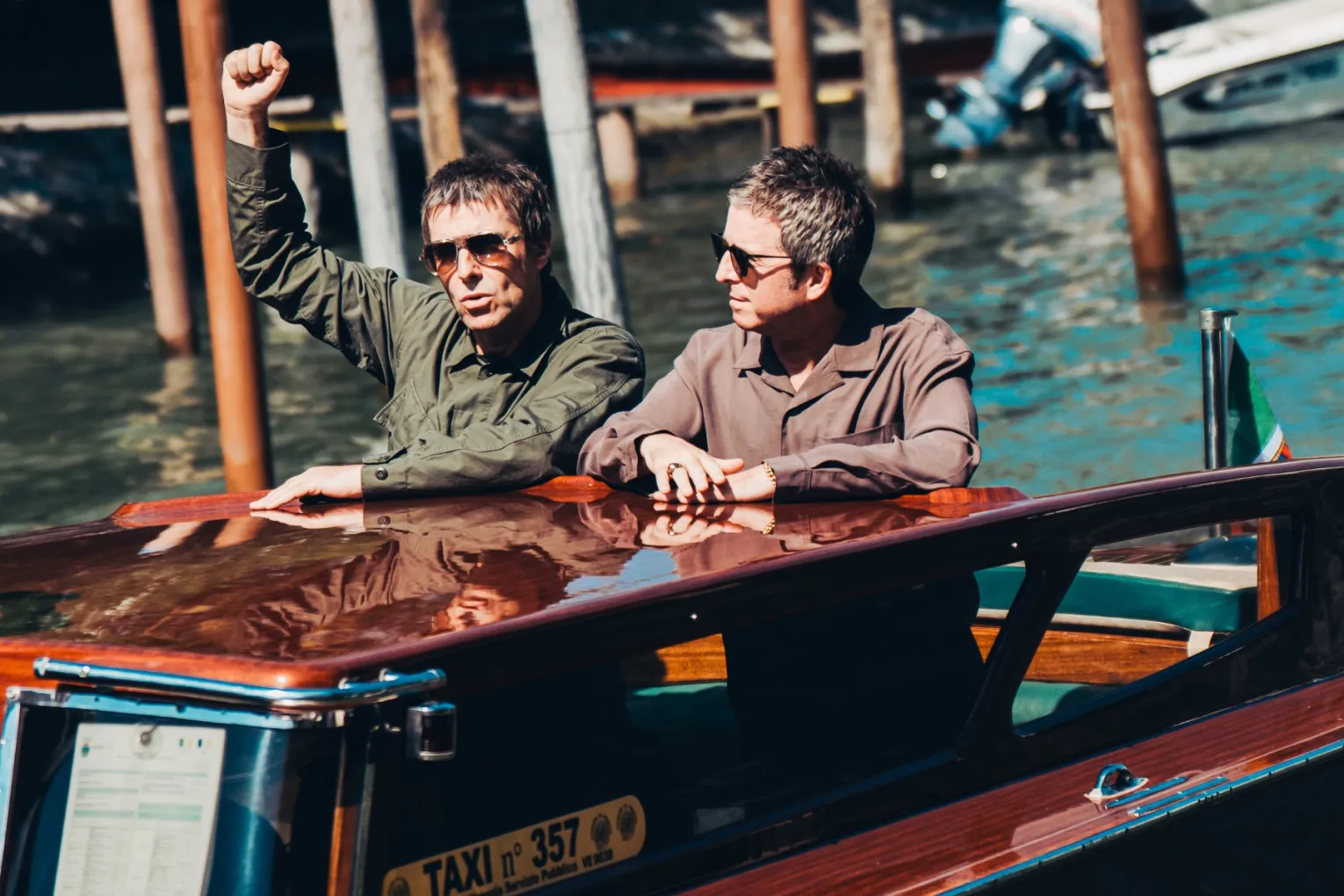
One of the most exciting moments at the Venice Film Festival is watching Oasis: Don’t Look Back in Anger, which chronicles the Gallagher brothers reuniting last year after 15 years for a concert tour.
If ever there was any doubt that singer Liam and songwriter Noel are now on good terms, they made a show of strength at the documentary’s premiere, even if the working-class lads from Manchester were not prepared to talk to journalists at an earlier press conference.
At the premiere it seemed Noel, who does most of the talking in the film, was wiping away a tear, while Liam was hyping the crowd. It was truly a moment to relish and the atmosphere was electric at all the Venice screenings. It helped that the brothers’ voices (they are in their 50s) are remarkably intact.
The film was conceived and written by British screenwriter Steven Knight, who admits he knows a thing or two about brothers, having created and written TV’s Peaky Blinders. He was keen not to dwell on the past when a 2009 Paris concert was abruptly cancelled and Oasis didn’t play again until last year. His remit was to focus on the brothers’ reconciliation. The film features their first joint interview since their estrangement.
“It was a privilege to be able to see their relationship get closer, both in rehearsals and then throughout the 2025 tour,” Knight says. “You know, starting in Cardiff and across the tour, you sort of saw that reconciliation happen on stage in front of the world.”
Still, there was trepidation as Oasis were about to perform their first concert in Cardiff as Liam hadn’t turned up for their final rehearsal. But when he took to the stage Noel recalls how he “blew it out of the park. F–king hell we’re back!” Noel also acknowledges what it meant to people, noting that “it means even more to the new generation”.

He admits that in the beginning, starting out as sons and grandsons of Irish descent, they felt “very much Irish, defending working class poverty and struggling to make it”.
You might like
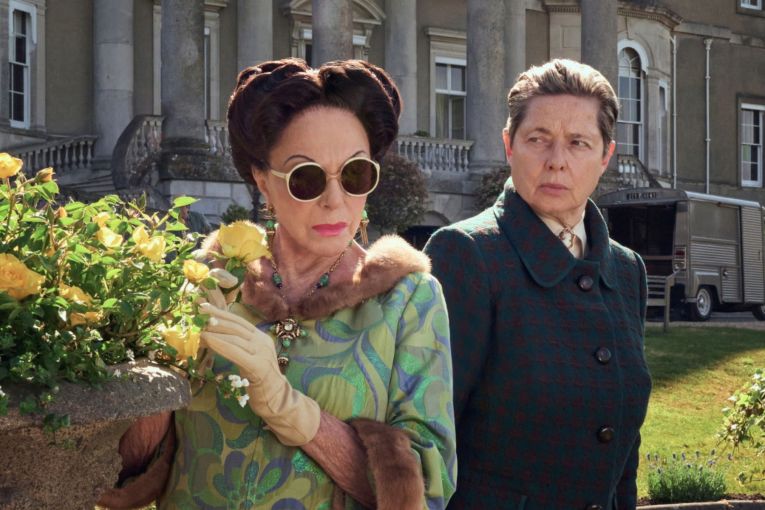
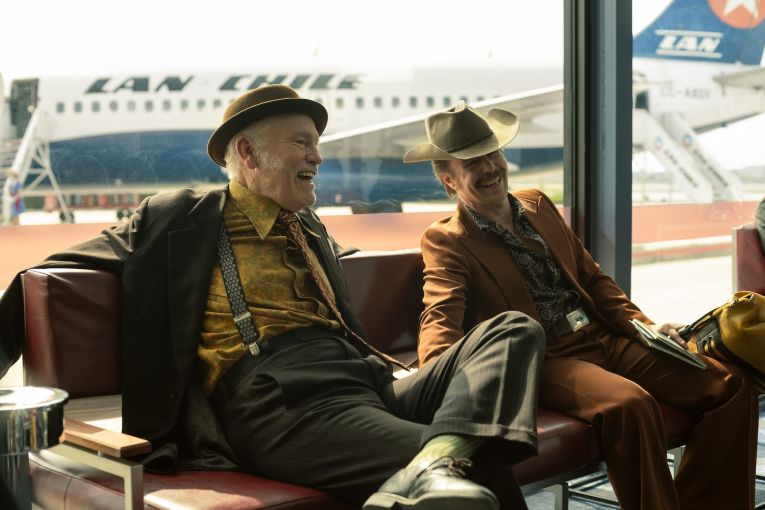
“We’re vessels trying to move people,” says Noel. “People want to be elevated out of their thing.”
As for getting back together to play with his younger brother Liam, Noel says that “all the little things that used to annoy us about each other have suddenly all gone away”.
“It’s not a power struggle now, we’ve come out as equals,” he says. “We never used to text each other much, but now we text each other stupid videos like mates would … This tour fixed a lot of things.”
Ultimately, he admits of Liam: “He is who he is. I forgot how funny he is.”
“If you’re gonna be a c—, be a funny c—,” Liam says with typical candour. At one point he notes he is not keen on moving like Mick Jagger. “All we’ve got to do is stand.”
With Oasis: Don’t Look Back in Anger British directors Will Lovelace and Dylan Southern have crafted a masterful film that appeals to all ages and generations. While most reviewers found it surprisingly sentimental, Rolling Stone notes how it “gets to the heart of a band that mean so much to so many”.
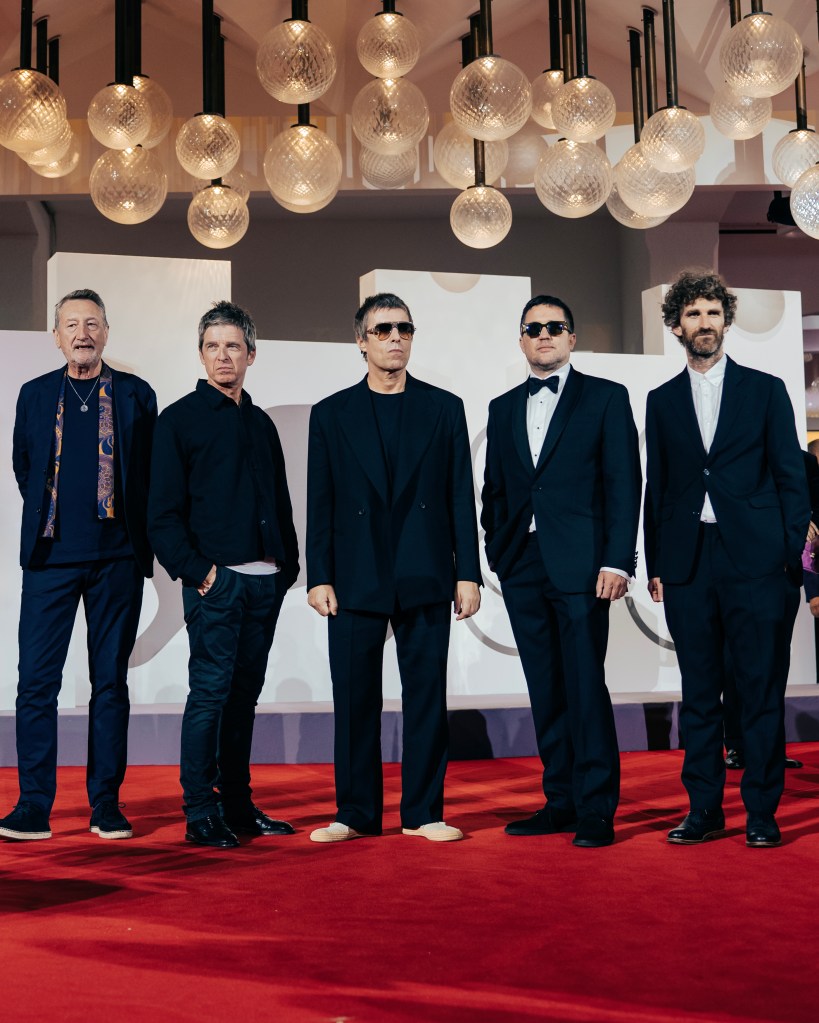
Southern explains that their filming was designed not to influence what was happening.
“When it came to the rehearsals our aim was to be completely invisible to the band,” Southern says. “I don’t think for six weeks they saw us or a single member of our crew. Then as we went on tour, the approach changed slightly, but it became as much about what was happening in the crowd and how that influenced the brothers’ relationship.”
For the rehearsals 12 cameras were used while there were 18 cameras for the concerts, where Oasis performed 23 songs, mainly from their first two albums.
Subscribe for updates
“The aim of rehearsals was to look at them in this space, doing what bands do, and hopefully get a look behind the curtain,” Southern continues. “When we went on tour, we wanted as much as possible to show the experience of being there. So, it wasn’t all the stuff you expect from a concert film, of cranes flying over the crowd and all that kind of stuff. What we did was we got some of the best cinematographers working in each place that we went to, and said to them, ‘Here’s a camera. Film your experience of the show’.
‘From the beginning we wanted to make a film about reconciliation, redemption and forgiveness’
“If there’s something interesting happening in the crowds that takes you away from the band, then go with that and chase the emotion and the narrative and things that are happening in the space. Our aim was for when people see the film on a big screen, hopefully in IMAX with loud sounds, it’s as close as you can get to being at those concerts in 2025.”
Knight says they had cameras on the brothers’ relationship developing for real as they toured.
“Their kids become friends,” he says. “It’s family again, and I think that we were very fortunate that that’s what happened because that’s exactly what we hoped would happen. From the beginning we wanted to make a film about reconciliation, redemption and forgiveness.”
Why does Knight think that Oasis’s music has such a transcendent power globally?
“That’s probably the question that the film should ask and does ask,” he replies. “In my opinion the music is brilliant. The melodies, the music has its own way of directly entering people’s souls and hearts. That’s a mysterious thing that kind of explains the poetry of the songs.
“As a writer I get the feeling that when the songs were written, Noel didn’t sit down and go, ‘I’m going to write a song about this subject’. It was almost like a radio receiving these things, and the words come.
“As a consequence of it being that level of poetry, people all over the world interpret the lines themselves and feel the song is about them and their relationships. I think it’s pretty unique for Oasis that globally, usually people from very challenged, difficult backgrounds find in Oasis the idea that you can discover.”
On the tour the band played 41 sell-out shows, including in Sydney and Melbourne, which don’t figure in the film.
Of course, Oasis is often compared to The Beatles but would The Beatles would have gotten back together in the way that these guys did?
“They weren’t brothers. Family is different,” Knight says. “If they had been brothers there might have been a reconciliation, but I don’t know.”
Currently, Knight is writing the new James Bond film but he’s circumspect when it comes to discussing that.
“I can’t say anything other than I’m enjoying every second of it!”
Oasis: Don’t Look Back in Anger is in cinemas now and streaming later this year on Disney+.
Helen Barlow is a Paris-based Australian freelance journalist and critic. In 2019 she received the La Plume d’Or for her services to French cinema. She is a voting member of the Lumiere Award.
Want to see more stories from InDaily Qld in your Google search results?
- Click here to set InDaily Qld as a preferred source.
- Tick the box next to "InDaily Qld". That's it.
Free to share
This article may be shared online or in print under a Creative Commons licence