Golden Brown makes its way back to town
Hugh Cornwell was last here with The Stranglers in 1990 before going solo – and he’s about to tour Australia again after a long absence.
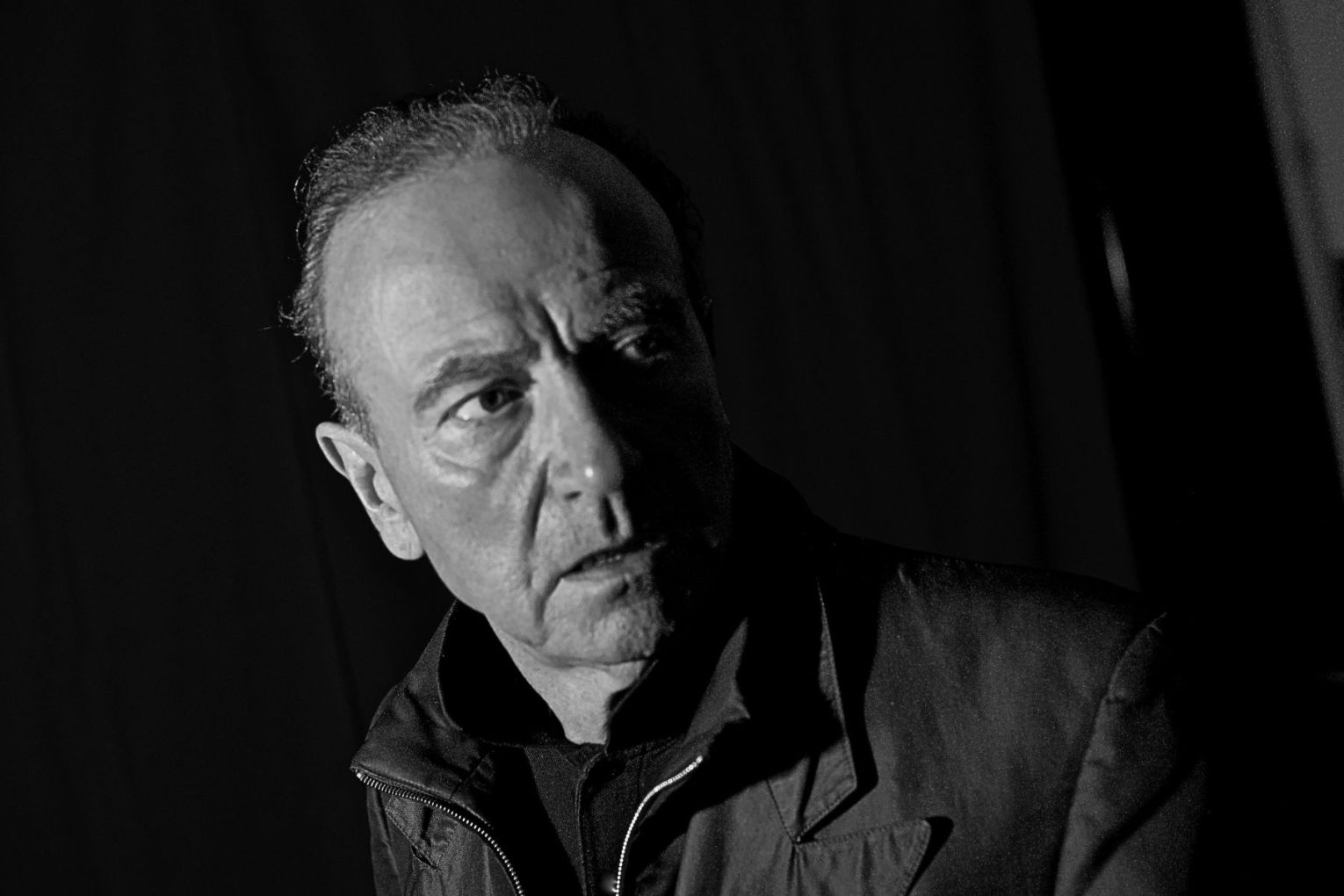
There’s a moment early in my conversation with Hugh Cornwell where he sounds less like a punk icon and more like a slightly mischievous GP.
“What seems to be the problem today?” he asks, deadpan, before breaking into a laugh. It’s a disarming opener from a man whose legacy includes getting banned from countries, inciting riots and writing some of the most idiosyncratic songs in British rock.
Cornwell, of course, first made his name as the original frontman of The Stranglers. Known in broader circles for hits such as Golden Brown, Skin Deep and Always The Sun, The Stranglers never quite fitted the punk template, threading menace with melody, keyboards with grit.
Almost five decades on, he’s long since shed that skin, but the spirit remains – curious, contrarian and fiercely independent. And he’s bringing that spirit back to Australia with a national tour that takes in Brisbane, Adelaide and other major cities and some regional ones, too.
“I was always more excited about coming to Australia than Japan,” Cornwell, 76, says, recalling that first chaotic tour in 1979. “I had Australian mates in London – great drinking buddies – so I had this idea in my head about the place before I even got there.”
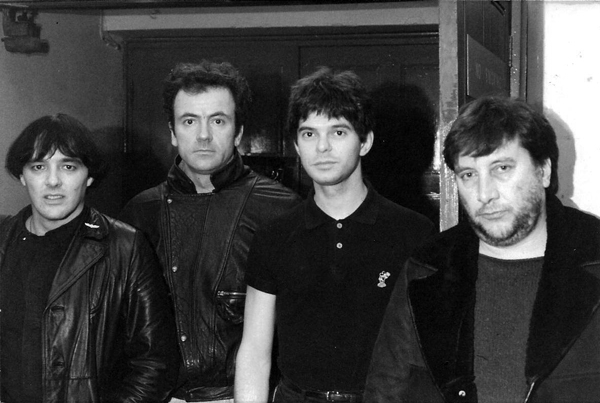
What he got, particularly in Queensland, wasn’t exactly a warm embrace.
“We’d written Nuclear Device before we arrived,” he says. “It got there before us … and it set up a bit of a hostile reception.”
You might like

That’s one way of putting it. The Brisbane show descended into chaos – agitators in the crowd, objects thrown, a full-blown fight breaking out. Cornwell himself was hit in the head with a glass. The venue lost its license shortly afterwards.
“That was the premier at the time,” he adds, referencing the iron-fisted era of Joh Bjelke-Petersen. “Didn’t like that sort of … frivolity.”
Almost half a century later Cornwell returns to a very different Australia – and a very different mode of operation. These days he tours as a trio, a stripped-back format he’s honed for more than 30 years.
“When I first left The Stranglers, I thought I needed a keyboard player,” he says. “Then I realised, no, I don’t. It’s more rock’n’roll without one.”
It’s a philosophy that reshapes his old material in surprising ways. Early Stranglers songs, he points out, were often written without keyboards, anyway. “They were added later – embellishments. The core was always bass, drums and guitar. So they transfer beautifully.”
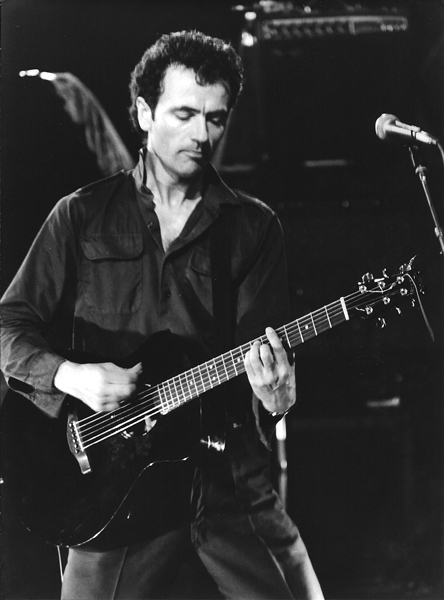
Even songs like Nuclear Device, with its signature keyboard flourishes, have found new life.
“There’s a keyboard solo in that – I play it on guitar now,” he says. “It’s made me a better player, actually. I’ve had to learn those parts.”
That adaptability speaks to something deeper in Cornwell’s creative DNA – survival. It’s a theme that runs through his songwriting, whether he’s chronicling his past or writing about unlikely figures such as Evel Knievel.
“I like survivors,” he says simply. “If you can survive everything life throws at you, then you’ve got a story.”
Subscribe for updates
‘I hate getting bored … Boredom leads to frustration, then depression. So I just keep working’
Cornwell’s story is well documented — prison, addiction, reinvention — but he’s not one for dwelling on it. If anything, his approach is pragmatic, almost brutally so.
“I hate getting bored,” he says. “Boredom leads to frustration, then depression. So I just keep working. Don’t think, do.”
That work ethic continues with a new album, tentatively titled Succubus, currently nearing completion. It’s been over a year in the making, crafted in the studio with long-time collaborator Phil Andrews.
“I don’t write songs before I go in,” he explains. “I go in with vague ideas and see what happens. Accidents — that’s where the good stuff is.”
It’s a far cry from the regimented recording schedules of his Stranglers days, when studio time was expensive and every second counted.
“It was like painting by numbers,” he says. “Dull. Now there’s space to experiment.”
That sense of exploration extends beyond music. Cornwell is also the host of a film podcast, Mr Demille FM, where he dives deep into cinema – particularly the overlooked and the offbeat.
“I like marginal people,” he says. “People who don’t toe the line. They try to live life on their own terms — and that’s difficult.”
It’s an ethos that mirrors his career. While many of his contemporaries lean heavily on nostalgia, Cornwell seems more interested in movement — forward, sideways, anywhere but stuck.
Even his songwriting inspirations are fluid. He’ll start with the idea of writing “like” someone – Arthur Lee, say, or Jim Morrison – but the end result is always unmistakably his.
“You’ve got to have a starting point,” he says. “Then it becomes your own thing.”
As he prepares to return to Australia, there’s no sense of nostalgia weighing him down. If anything, he seems energised by the prospect of playing — of testing songs, old and new, in front of an audience.
“I can’t wait,” he says. “That’s the fun part.”
And if Brisbane behaves itself this time around? Well, that’s another story entirely.
Hugh Cornwell’s Australian tour begins in June. Tour dates: hughcornwell.com/live
Want to see more stories from InDaily Qld in your Google search results?
- Click here to set InDaily Qld as a preferred source.
- Tick the box next to "InDaily Qld". That's it.
Free to share
This article may be shared online or in print under a Creative Commons licence