Great Scott! Gatsby’s still got it, 100 years on …
To celebrate the centenary of one of the most influential novels of the 20th century, Queensland Theatre and Shake & Stir Theatre Co have joined forces to produce a startling new stage adaptation of The Great Gatsby.
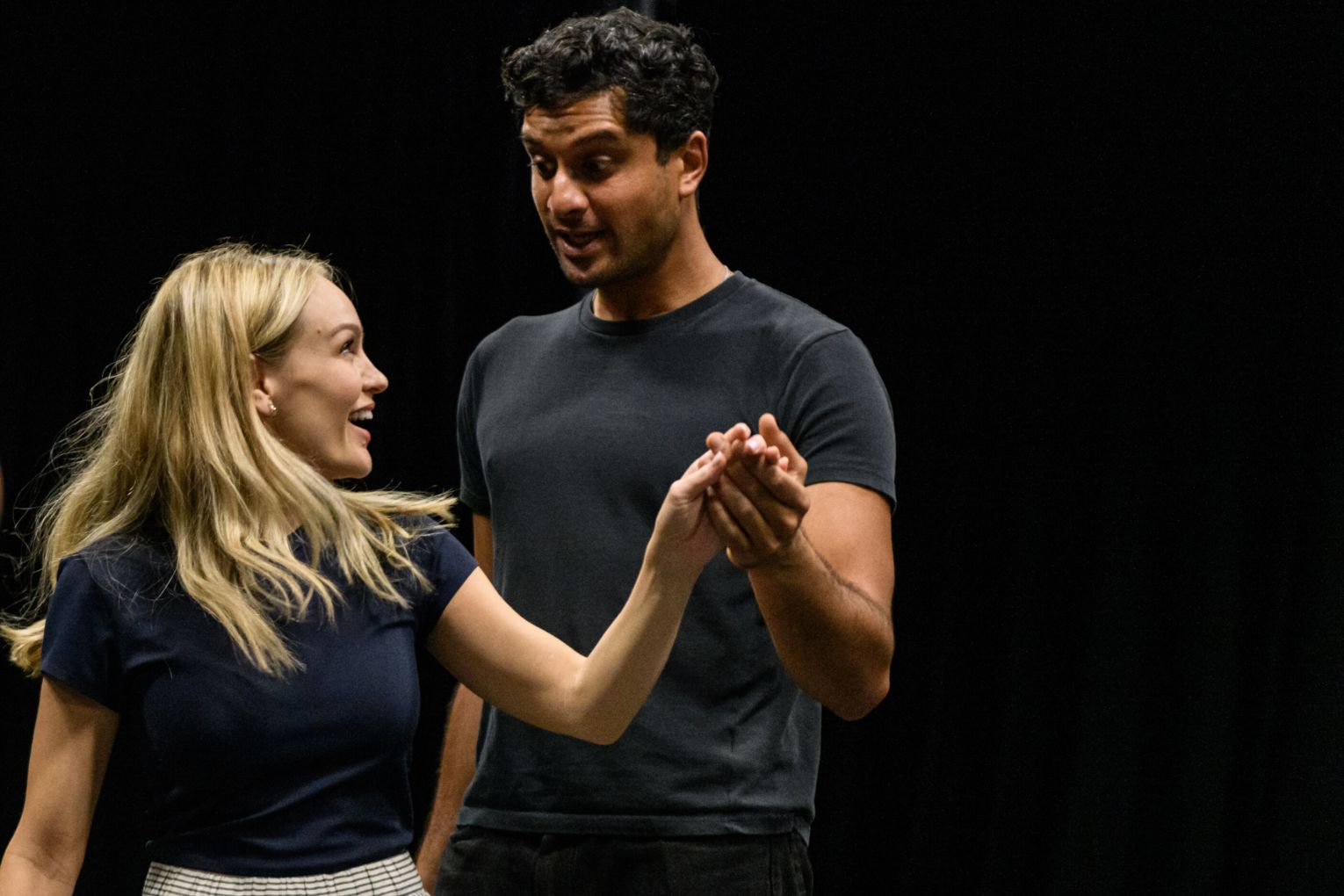
Playing Jay Gatsby is a thrill for Indian-born actor Shiv Palekar. He takes to the stage on February 5 at the historic Empire Theatre in Toowoomba for an out-of-town try out before landing back in QPAC’s Playhouse from February 12.
The Great Gatsby is Queensland Theatre’s 2026 season opener, and this new Australian stage adaption of American writer F. Scott Fitzgerald’s famous novel is eagerly awaited.
The novel celebrated its centenary in 2025. This stage version sounds promising, particularly because Queensland Theatre Company’s artistic director Daniel Evans is co-directing with Shake & Stir Theatre Co’s artistic director Nick Skubij. Nelle Lee, also of Shake & Stir, co-adapted the novel for the stage with Evans.
Skubij and Lee and their team have had amazing success adapting literary classics for the stage – Dracula, Wuthering Heights, 1984 – Lee and Evans promise fidelity to the text. With a few tweaks – one of which is obvious, as Shiv Palekar is happy to point out.
“I do have Indian heritage so, yes, we’ve got a brown Gatsby,” he says. “It’s hard to look way from that.”
That works on many levels to counter some inherent racism of characters in the book and also because, as Evans points out, it suits the Gatsby character.
“He’s an outsider in some ways, or other,” Evans says.
You might like
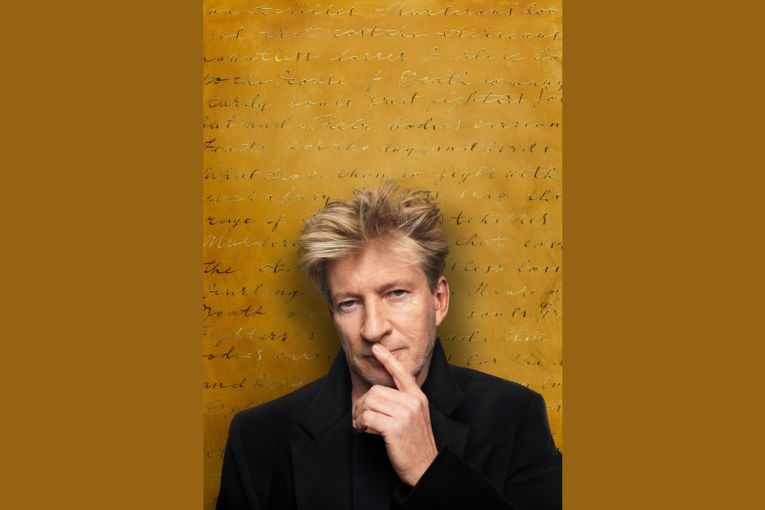
Primarily, though, Palekar was cast because he is a fine actor and a rising star in the Australian theatre world. He has also had screen roles including in the recent ABC TV series Return to Paradise.
“I was a prime suspect,” says Palekar, whose career began in Brisbane when he did an internship with local physical theatre company Zen Zen Zo.
‘This is a dream role. A reimagined history where a non-white person is trying to break into America’
“Everything began in Brisbane,” he says. “I was born in India, grew up in Hong Kong before coming to Australia … and there are lots of Gatsbys in Hong Kong.
“This is a dream role. A reimagined history where a non-white person is trying to break into America makes it interesting.”
To recap – F. Scott Fitzgerald’s The Great Gatsby (1925) is a tragic Jazz Age novel narrated by Nick Carraway, detailing the obsession of self-made millionaire Jay Gatsby with his former love, Daisy Buchanan.
Set on Long Island in 1922, the story explores themes of wealth, social class and the corruption of the American Dream, culminating in – SPOILER ALERT – Gatsby’s murder after a series of tragic, fatal accidents involving his wealthy acquaintances.
So, no, they don’t all live happily ever after.
Nick Carraway is played by Ryan Hodson with Jess Vickers as Daisy. Nelle Lee is also in the production as Myrtle Wilson, the mistress of Tom Buchanan to whom Daisy is married. Yes, it is, as they say, complicated.
Subscribe for updates
The Great Gatsby has been adapted for the screen at least seven times, ranging from a lost 1926 silent film to Baz Luhrmann’s 2013 3D spectacle. There is also the 1974 film with Robert Redford, the 2000 TV movie and the 2013 film starring Leonardo DiCaprio.
Palekar read the book a couple of times to prepare for the role but says he avoided watching any of the films to “keep external influences out of my performance”.
“Because this is an adaptation, so in a way it is a new work,” he says.
‘a fever dream of prohibition, broken dreams and romantic love’
Evans says the Jazz Age will be referenced in a soundscape by Guy Webster that features “contemporary rhythms with jazz elements and a bit of Bessie Smith”.
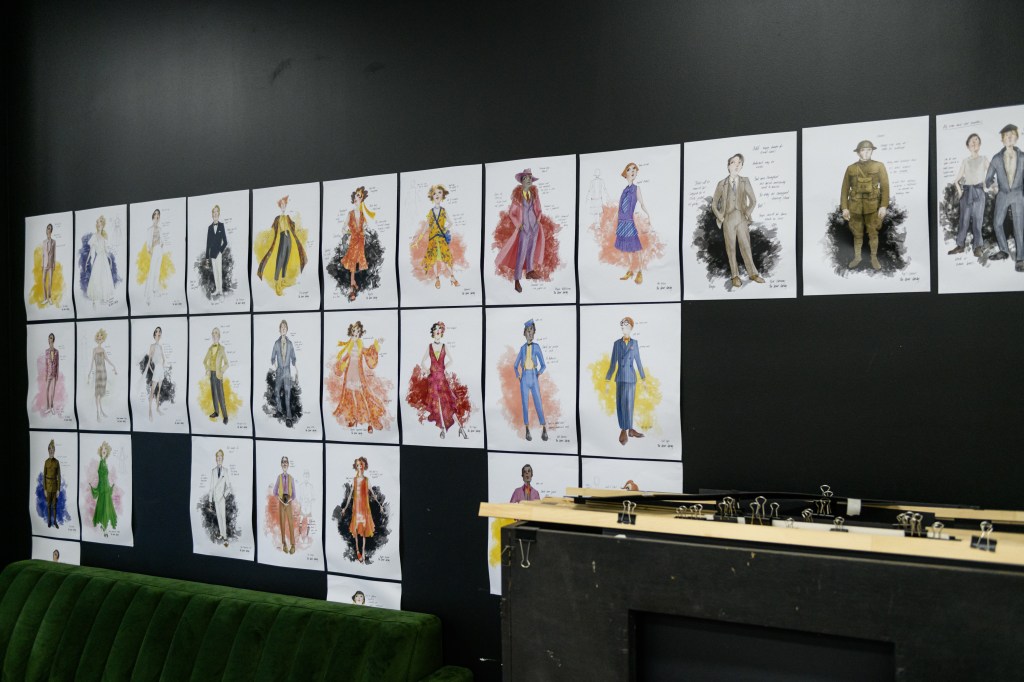
As for the glamorous Jazz Age era setting, well, set and costume designer Christina Smith will also reference what Evans says was “a real fun time … until it wasn’t”.
“There’s the party and then there’s the hangover,” Evans says, giving us the perfect analogy.
What unfolds in the play is the ruthless dissection of the American Dream and an unapologetic homage to old-world glamour, decadence, status, notoriety and extravagance,
It’s “a fever dream of prohibition, broken dreams and romantic love”.
“This season is about giving audiences something big, heart-filled, warm and generous, and we start with a story about a boy and girl, the past and the present, and the agony and ecstasy of love and longing,” Evans says.
“The Great Gatsby is something of a mirage – it shifts and changes with each reading and retelling over time and that’s what cements its status as a classic.”
Toowoomba’s heritage-listed Empire Theatre was a newly opened picture house when Fitzgerald’s novel was released in 1925. Its art deco style, grand proscenium arch and beautifully preserved architecture make it a fitting choice to premiere The Great Gatsby and open QTC’s 2026 season, says Empire CEO Giuliana Bonel.
“For more than 100 years, the Empire has entertained audiences, hosted world-class productions and built a cultural legacy,” Bonel says.
“Regional Queensland embraces great stories told well, and this was never more evident than when we hosted QTC’s 2025 season opener, Pride & Prejudice. We look forward to continuing this creative partnership with QTC and welcoming Shake & Stir as co-presenters in 2026.”
The Great Gatsby plays The Empire Theatre, Toowoomba, February 5-6; and QPAC’s Playhouse, Brisbane, February 12 to March 8.
Want to see more stories from InDaily Qld in your Google search results?
- Click here to set InDaily Qld as a preferred source.
- Tick the box next to "InDaily Qld". That's it.
Free to share
This article may be shared online or in print under a Creative Commons licence