Where art shines: Coastal collection celebrates
With the University of the Sunshine Coast’s Art Gallery celebrating its 30th anniversary, manager Megan Williams reflects on how the local community helped build its enviable collection.
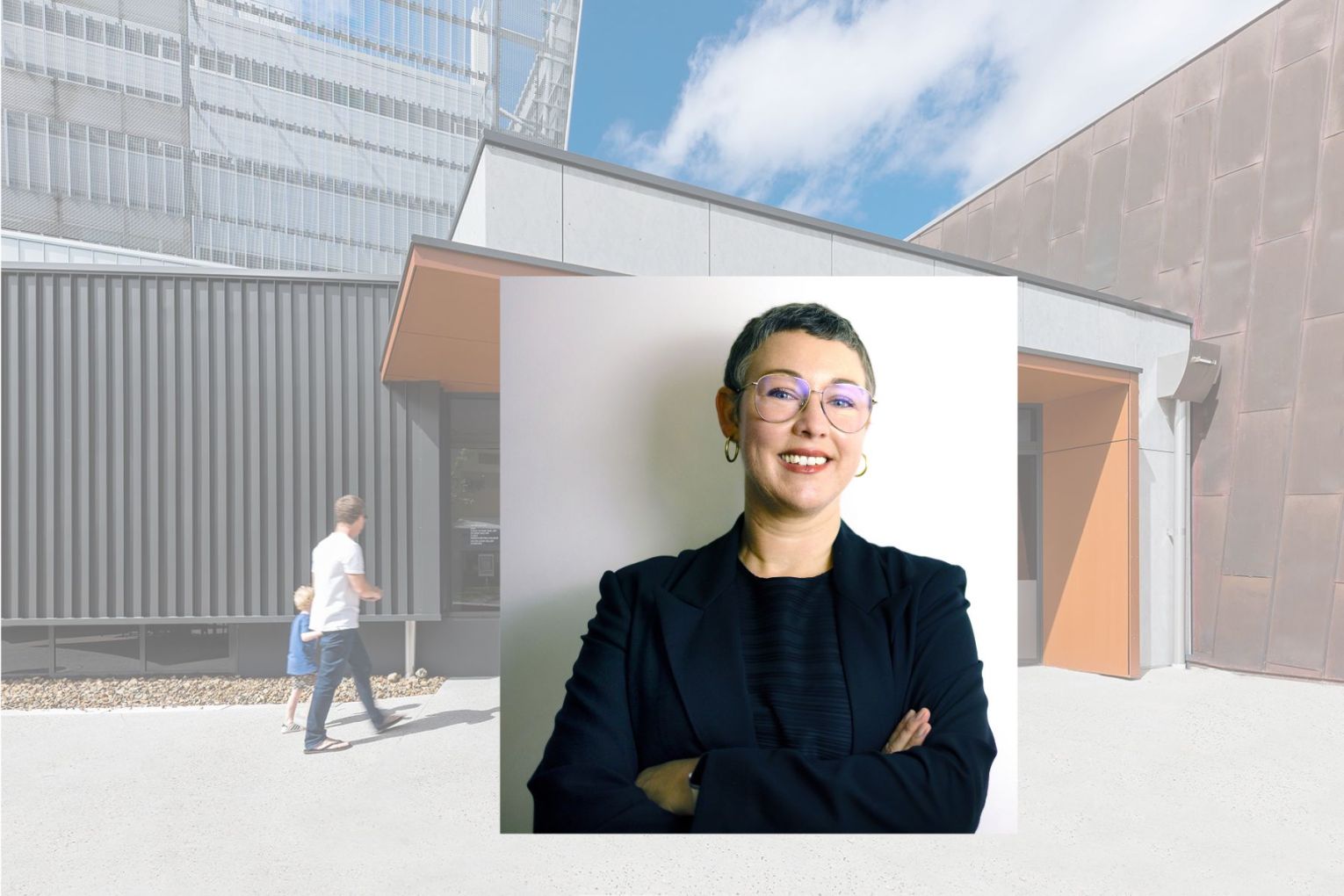
The University of the Sunshine Coast’s Art Gallery and collection is celebrating its 30th anniversary this year. We spoke to curator and gallery manager Megan Williams about this milestone.
What is the biggest factor in the Art Gallery’s success?
It comes down to community support. It started with the Sunshine Coast back when we only had our first campus, but as we’ve grown and opened new campuses that support has spread all the way up to the Fraser Coast and down to Moreton Bay.
And when I say community support, I mean it in a real, tangible way. Eighty-three per cent of our collection has been donated over the past 30 years and, on top of that, community fundraising is what gave us our bricks and mortar.
A $6 million purpose-built gallery at Sippy Downs that opened in 2004 became a reality through a hugely successful community fundraising campaign. More recently, we received the Arija and Richard Austin bequest which helped fund a major redevelopment of the gallery in 2020. At every single stage of our growth, the community has shown up. We wouldn’t be where we are without them.
How fast has the UniSC art collection grown?
Pretty rapidly. It started with just two works back in 1995, before the Sunshine Coast campus had even opened its doors to students! Those first two pieces were a stone sculpture by Zimbabwean artist Nicholas Mukomberanwa, and a series of wildlife photographs taken on campus by a local photographer named Gary Glover. Fast forward to today and we’re sitting at 1107 works in the collection, valued at $8.5 million. So, the growth has been remarkable.
You might like
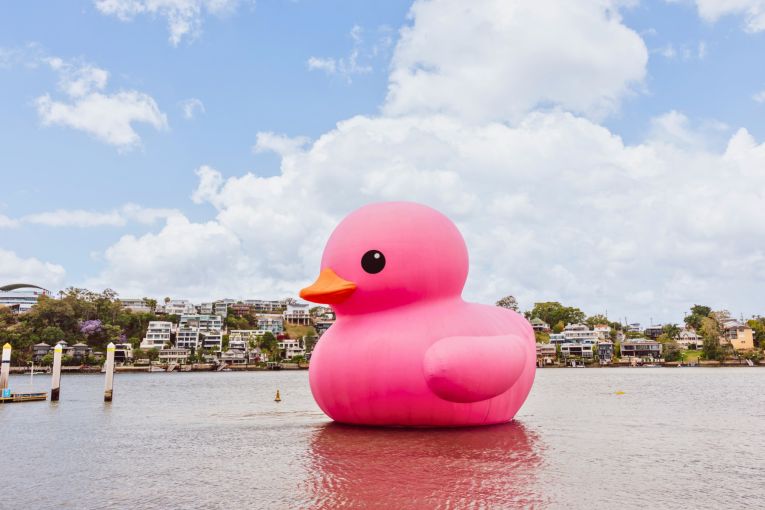
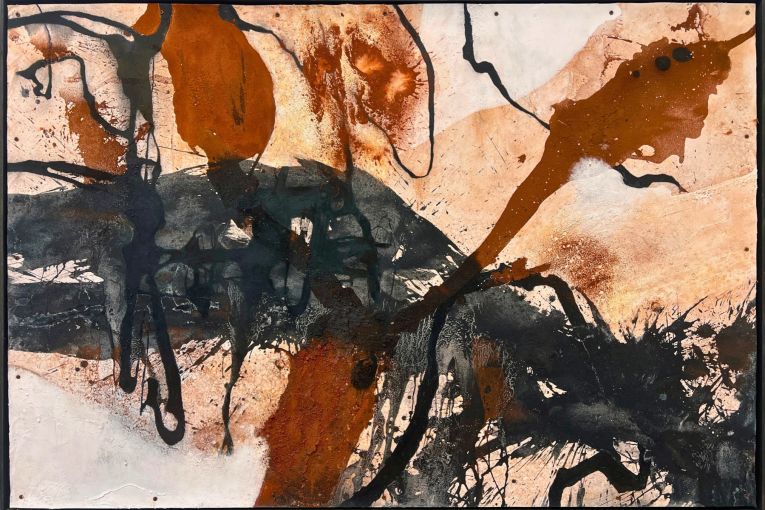
There have been some real standout moments along the way. The first being when in 2012 Sunshine Coast architect John Mainwaring donated 81 artworks, mostly by Australian Aboriginal artists, including the monumental All the fish in the sea (2005) by Mirdidingkingathi Juwarnda Sally Gabori.
The biggest single-year jump was in 2015 when we received a bequest of 260 works from the estate of Arija and Richard Austin. That alone pushed the total collection value to almost $5 million, and it included works from some significant Australian artists including Jeffrey Smart, Lin Onus and Goobalathaldin Dick Roughsey.
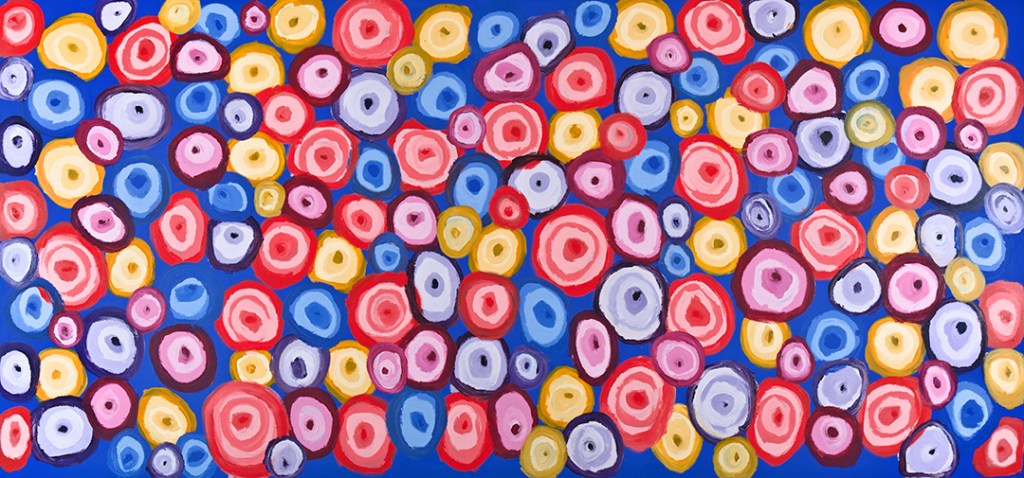
And we’re still evolving. In 2023 we commissioned our very first digital work through our UniSC contemporaries program, which was an exciting milestone. It’s a stunning sound-and-video work called Beeyali, created by Kabi Kabi artist Lyndon Davis with UniSC academics Dr Leah Barclay and Dr Tricia King.
What was the first donated artwork to the collection?
Fittingly, a series of Sunshine Coast landscapes including one of Hell’s Gate in Noosa National Park by Harry Marriott-Burton (1882-1979). They were donated by his wife Gwenda Lynn in 1997. After travelling extensively, Harry and Gwenda Lynn settled in Noosa in 1954 and became part of the region’s cultural milieu. Harry was a fellow of the Royal Society of Arts, London and his landscape works demonstrate his dedication to painting and ongoing fascination with the region’s natural environment.
What is the most divisive artwork?
Probably the late Sydney artist Adam Cullen’s Lightening Ridge Hare. The hare has gnarly teeth and claws and looks aggressive, so this might be why it is confronting for some people. But young people really respond to it saying it’s “cool”. Cullen won the Archibald Prize in 2000 for a portrait of David Wenham and achieved fame and infamy in the art world before his premature death at age 47 in 2012.
Subscribe for updates
What is the most visited exhibition so far?
A national touring exhibition in 2024 titled OCCURRENT AFFAIR. It was developed by UQ Art Museum and featured works by Brisbane Aboriginal artist collective, proppaNOW. The title was a clever nod to a certain style of TV journalism, and it was provocative, political and compelling. It was such a wonderful opportunity to bring the work of artists like Richard Bell, Vernon Ah Kee, Gordon Hookey, Laurie Nilson, Megan Cope and Jennefer Herd to the Sunshine Coast.
We’ve also had a lot of love for our new media exhibitions. The Experimenta Triennial back in 2019 was hugely popular, and Strange Weather in 2023 went down really well, too. And then just last year we had this beautiful exhibition called Transfer, which looked at contemporary visual artists with connections to South-East Asia. It explored textiles as a medium and featured some incredible artists including Eko Nugroho, Moe Satt and Arahmaiani. That one really resonated with people, too.
How does the university decide what art to collect?
We have a formal policy that guides everything, but at the heart of it there are a few really clear priorities that shape what we collect. First up, we’re really focussed on Australian artists, specifically works that have been made within UniSC’s lifetime, so from 1996 onwards. We like the idea that the collection is growing up alongside the university.
We also have a strong focus on Queensland artists, more broadly, and within that we have a meaningful commitment to collecting works by Aboriginal and Torres Strait Islander artists. It’s something we take seriously and are proud of.
And then there’s that local connection piece. Artists who have a direct connection to UniSC or to the regions where our campuses are located. That feels important because it ties the collection back to the communities we talked about earlier, the ones who have supported us so much along the way.
Who is the longest-serving volunteer at the gallery?
We have a big team of volunteers who help visitors daily, as well as during public programs and events. Wendy Tonkes is a former primary school teacher and principal from Sydney who will celebrate her 20-year anniversary volunteering with us in August. She loves the arts and her enthusiasm is infectious. She’s a hoot.
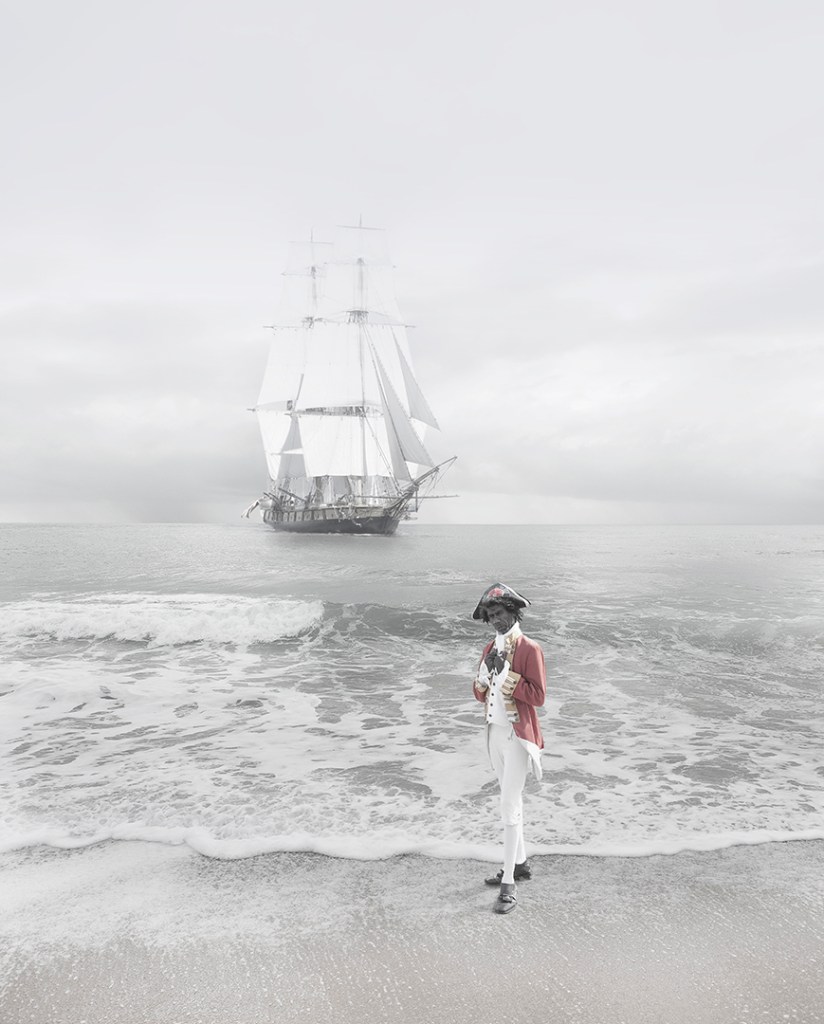
What is an artwork that stands out for you?
That’s a bit like asking me to pick a favourite child! But, if pressed, I’d have to give a special mention to Michael Cook and his work. Michael is a Sunshine Coast local who’s had this remarkable career. He’s shown his work right across Australia and internationally, and we’re lucky enough to have 45 of his works in our collection.
One of the things I’m proud of is that when we reopened the gallery after our 2020 redevelopment, we put on a survey of the first decade of Michael’s practice. It felt like the perfect way to mark that moment, not just for us, but for Michael, too. It was an important point in his career and a chance to show people that we have this incredible artistic talent right here in our own backyard.
Want to see more stories from InDaily Qld in your Google search results?
- Click here to set InDaily Qld as a preferred source.
- Tick the box next to "InDaily Qld". That's it.
Free to share
This article may be shared online or in print under a Creative Commons licence