Griffith helping Mongolia prepare for COVID-19 pandemic
Two Griffith University academics working from home offices in Brisbane are helping medics in Mongolia prepare for COVID-19 and beyond.
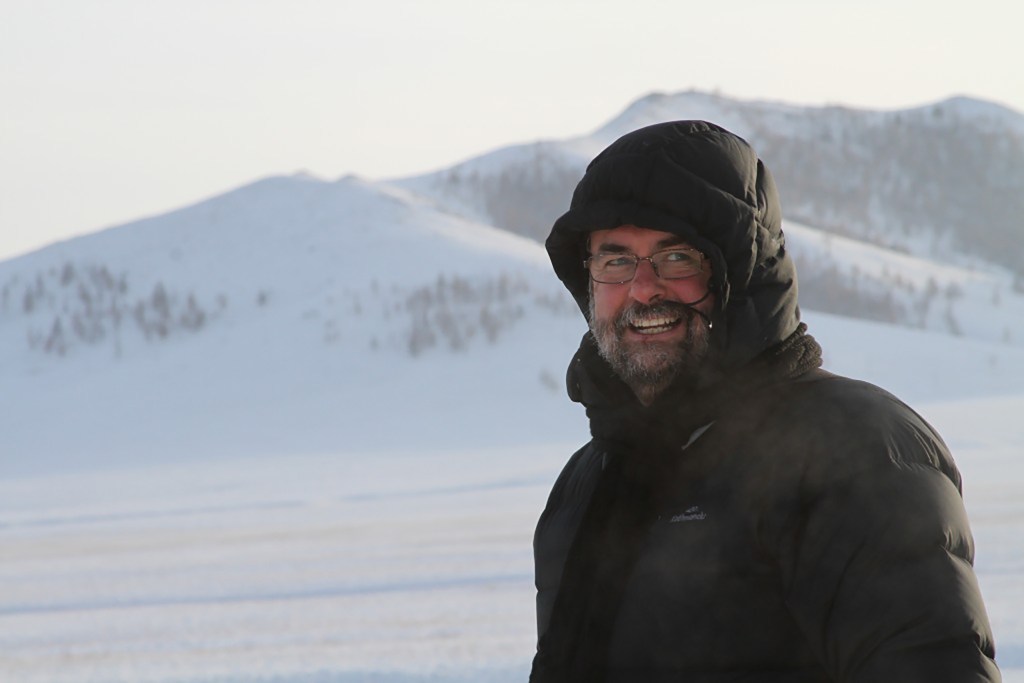
A research project started in 2017 and led by Dr Hamish McLean has already achieved marked changes in the way Mongolia deals with medical emergencies. But with travel now out of the question, Dr McLean and his colleague, Roadside to Nationwide EMS and Disaster program Clinical Director Duncan McConnell, have embraced technology to maintain the momentum.
They’ve stepped up their program online in a bid to assist Mongolia’s emergency health services (EMS) deal with the potential impact of the pandemic and are currently hosting webinars specifically suited to conditions in Mongolia for frontline medical and emergency staff across the nation.

“We have been helping Mongolia develop an EMS system, with the support of its firefighters, military and police, based on evidence that it is sustainable and works for the country’s context and resources,” said McConnell, a Griffith Centre for Environment and Population Health PhD student and paramedic with 23 years’ experience.
“Any imported system from Australia, the US or Canada would simply collapse due to costs and lack of resources.
“Our challenge has been to find a way that works in improving treatment and response times within current resources.
You might like

“We have travelled several times to Mongolia to run workshops, so for us continuing our support (online) is a no brainer given the keen interest by the Mongolian Society of Emergency Medicine to benchmark its current preparations.”

The latest webinar materials covered topics such as the use of Personal Protective Equipment (PPE), transporting patients in respiratory distress, surges in the number of ambulance calls and communication.
“Although the Australian university sector has been hard-hit by the fallout from the pandemic, we can still do much to help deliver essential practical information to those who need it,” said Dr McLean, a senior lecturer in the School of Humanities, Languages and Social Science.
“COVID-19 does not respect borders, so if we can make a difference from here in Australia that is good news.”
McConnell said Mongolia had so far seen only 30 confirmed cases, none of which were caused by community transmission and appeared to be well organised for COVID-19.
Stay informed, daily

“They have done a fantastic job given the limited resources.
“Mongolia’s quick action along its land borders and entry via air, even before COVID-19 was declared a pandemic, has enabled them to get ahead of this virus.
“The Mongolians should be very proud of the work they have done here and the positive effect it is having.”
The Griffith University project has been working with partner agencies in Mongolia for the past three years to help build EMS and disaster resilience.

As part of the project, McConnell has also developed a new, internationally approved certification for ambulance and emergency personnel, such as firefighters, called MMR – the Mongolian Medical Responder, which provides a range of skills in the pre-hospital care environment.
Griffith is leading this sub-project with the support of partners from the Vancouver Fire and Rescue and the British Columbia Emergency Services. Canada is providing a team of paramedics to help deliver the program.
“The MMR Program provides a new level of care for patients, that previously didn’t exist,” said McConnell.
“Not only will patients receive the emergent care they need with the initial first responders, the Doctor in charge of the Ambulance will have some additional sets of hands to help them during minor, major and serious incidents.”
Want to see more stories from InDaily Qld in your Google search results?
- Click here to set InDaily Qld as a preferred source.
- Tick the box next to "InDaily Qld". That's it.