Up, up, up: Reserve Bank hikes rates for the 12th time and warns of yet more later
The Reserve Bank board has increased interest rates for the 12th time in this cycle, lifting the cash rate by 0.25 per cent to 4.1 per cent “to provide greater confidence that inflation” was on the way back to its target range.
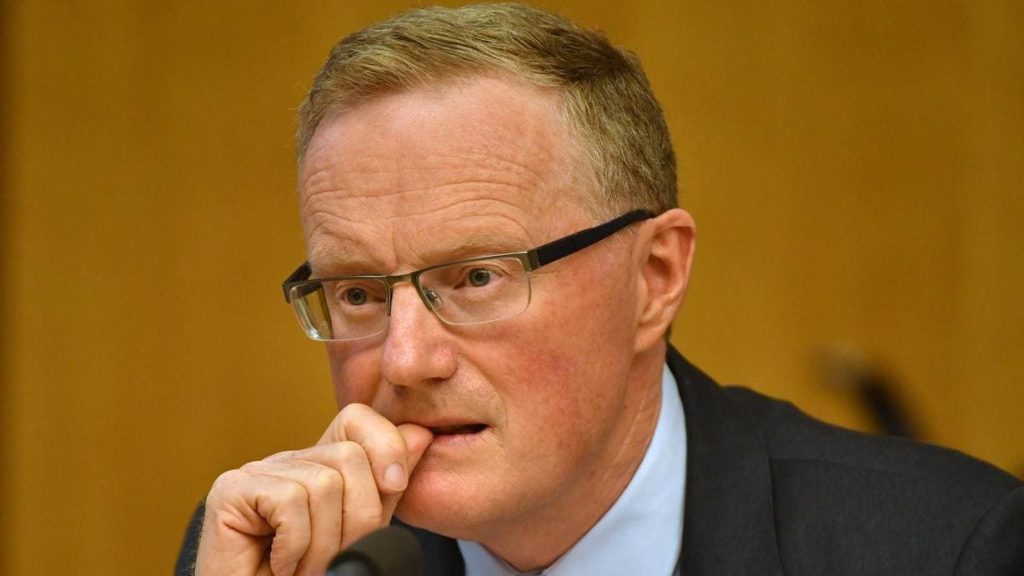
Governor Philip Lowe said there was an increased risk of inflation reigniting and that was why the RBA board had acted, but added that wages growth was still consistent with the inflation target as long as productivity increased.
He also repeated his line from last month that the increase may not be the last. ANZ has tipped another by August.
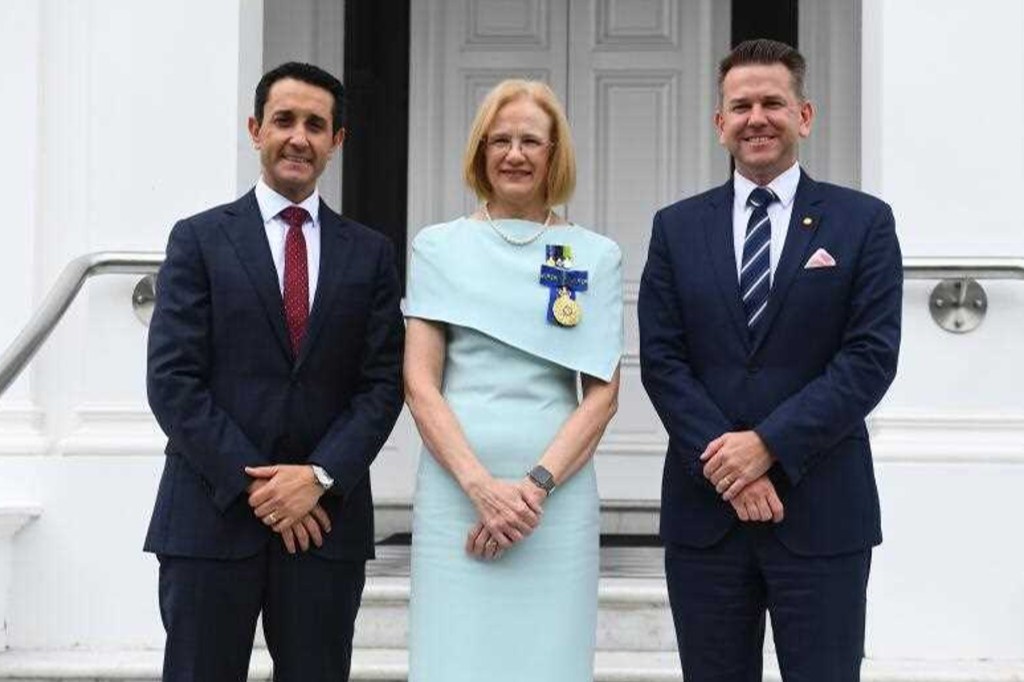
Treasurer Jim Chalmers said many people would find it difficult to understand the latest hike, given the financial pain of the 11 previous hikes.
“Some further tightening of monetary policy may be required to ensure that inflation returns to target in a reasonable timeframe, but that will depend upon how the economy and inflation evolve,” Lowe said.
“While goods price inflation is slowing, services price inflation is still very high and is proving to be very persistent overseas. Unit labour costs are also rising briskly, with productivity growth remaining subdued.”
You might like

Canstar said the increase would mean another $84 a month in repayments for a $500,000 loan. That meant that since April last year repayments had increased by $1217 a month.
For a $750,000 loan it meant an extra $125 a month and $1826 more total since April 2022. For a $1 million loan it meant $167 more in monthly repayments and $2435 more since April 2022.
Rate City pointed out some good news from the hike.
“Some savings ratings could be has high as mid 5 per cent,” it said after the increase was announced.
Stay informed, daily
Lowe said the uncertainty for the RBA was still the outlook for household consumption.
“Housing prices are rising again and some households have substantial buffers, although others are experiencing a painful squeeze on their finances,” Lowe said.
The latest data from SQM Research showed the asking price for dwellings rose by 2.1 per cent in April and the number of distressed listings fell by 3.8 per cent. In Queensland, distressed listings have dropped by 6 per cent and home builder Tamawood reported that it had been swamped with inquiries recently.
SQM’s Louis Christopher said the probabilities of a double dip downturn in the Australian housing market had moved to higher than 60 per cent.
The increase was a surprise to many leading economists but the bond market had been pricing in an increased risk of a rate hike since last week’s minimum wage decision.
Economist and former federal Labor MP Craig Emerson highlighted the problem for the RBA when he said the consumer spending had slowed sharply and this meant the economy was also slowing sharply.
The Real Estate Institute of Queensland said it was concerned about the recessionary impact of the increases.
Want to see more stories from InDaily Qld in your Google search results?
- Click here to set InDaily Qld as a preferred source.
- Tick the box next to "InDaily Qld". That's it.