Cost of war sees Qantas slash flights, big bank issues warning
Australia’s top airline is flagging pricier airfares and fewer domestic routes as fuel prices skyrocket amid the ongoing war in the Middle East.
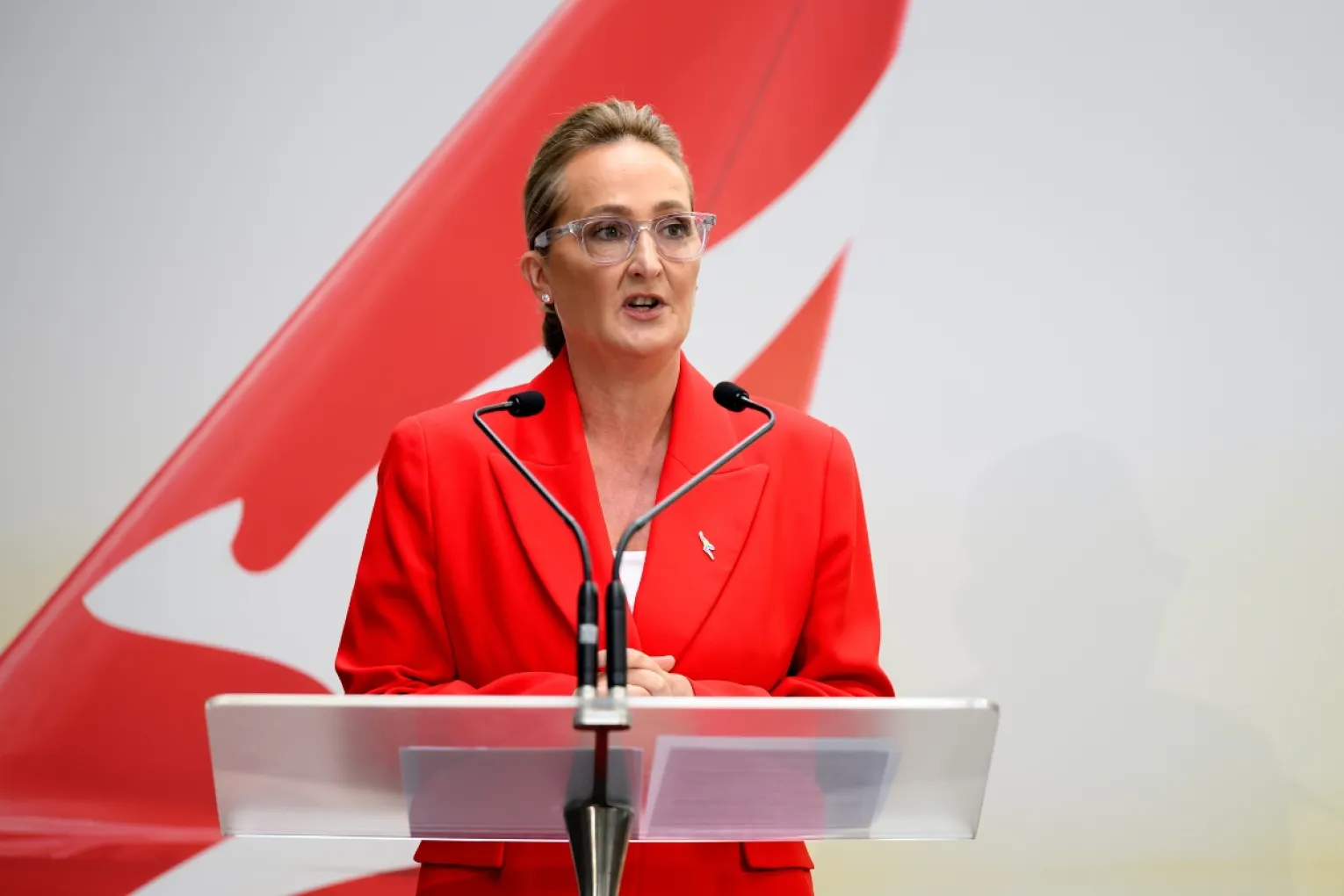
Qantas warned of rising fuel costs the airline take an up to $800 million hit to its bottom line, announcing on Tuesday that cuts were incoming on its domestic schedule and pricier airfares should be expected.
In a market update, Australia’s leading national carrier warned jet fuel prices have more than doubled over the course of the year, and it expected to pay between $3.1 billion and $3.3 billion for fuel in just the second half of the financial year alone.
This was an extra $600 million to $800 million hit to its expected fuel bill, but the airline said it was still seeing “strong demand for international travel to Europe as customers seek alternative routes”.
As a result, Qantas has reduced its domestic capacity in the fourth quarter of 2026 by five percentage points, with affected customers being contacted directly and offered alternative flights or a refund.
Despite not operating to the Middle East, Qantas also warned there would be fare increases and international network changes due to the ongoing war in the region.
You might like

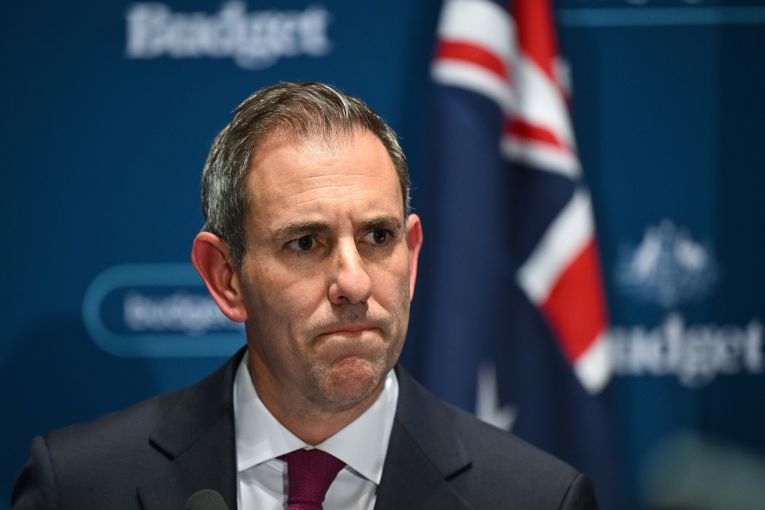
War impact coming home to roost for big Aussie bank
Meanwhile, Australia’s second-largest bank has warned today that the Middle East conflict has dented the earnings contributions from one of its internal businesses.
Westpac, which will release its first-half results on May 5, said its markets division will deliver lower income and that it plans to lift credit provisions.
“Geopolitical uncertainty and the associated increase in market volatility have contributed to the … outcomes,” it said in a statement to the stock exchange on Tuesday.
Stay informed, daily
The net interest margin contribution from its treasury and markets unit will fall to seven basis points in the second quarter of fiscal 2026, from 15bp in the first quarter.
Westpac also pointed to difficulties for some customers, who are already battling rising living costs and a higher-interest-rate environment.
”With the supply shock from the energy market disruption expected to result in higher inflation and higher interest rates, an expected slowing in economic growth will create a more challenging environment for some customers,” it said.
The conflict in the Middle East, which is now entering its seventh week, began on February 28 when the US led an attack on Iran.
Since then, financial markets have been volatile as the price of oil has jumped from around $US70 a barrel before the war to about $US100, leading to higher domestic petrol prices and concerns about fuel supply.
While Westpac said it was well-positioned to support customers amid the ongoing uncertainty, it also flagged its net profit would fall by $75 million.
This was due to a “notable item” in the RAMS mortgage business, which it is selling to Pepper Money, KKR and PIMCO. The sale will be completed in the second half of its fiscal year.
The bank is currently expected to post a first-half net profit of around $3.6 billion, which would be a small improvement on the previous corresponding half, according to analysts.
– with AAP
Want to see more stories from InDaily Qld in your Google search results?
- Click here to set InDaily Qld as a preferred source.
- Tick the box next to "InDaily Qld". That's it.