Queensland council’s bat signal for heat-stressed flying foxes
A Queensland council has teamed up with a high-tech company to install sensors to monitor flying foxes.
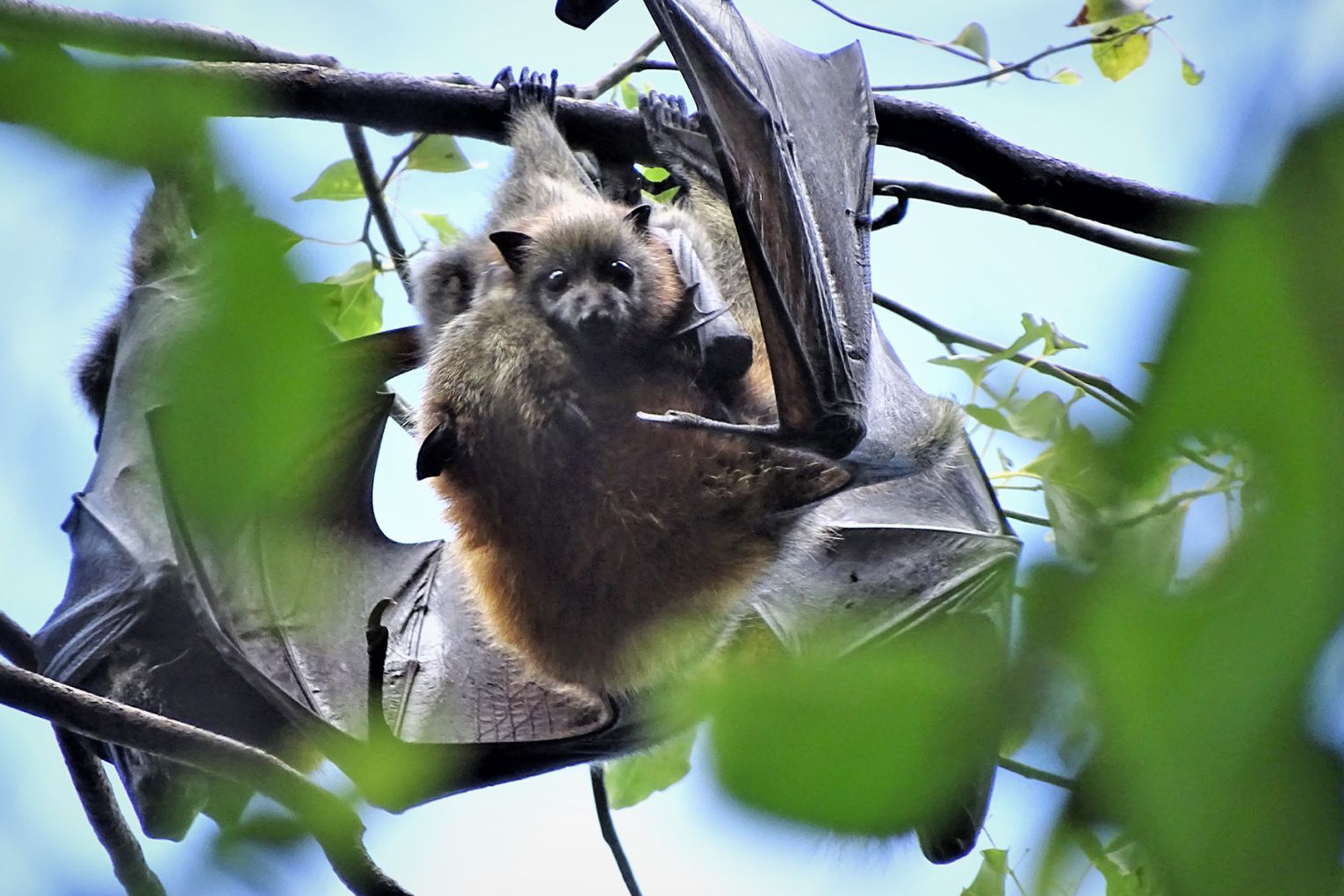
A Queensland council has teamed up with a high-tech company to install sensors to monitor heat stress in flying foxes.
The city of Morton Bay will install 16 sensors that provide real-time updates on heat and humidity at known roosts.
That data will then be used by wildlife carers to respond during heat-stress events.
But when asked by InDaily what the cost to ratepayers would be, the council was unable to reveal the figure by the time of publication.


Mayor Peter Flannery said it was important to keep tabs on native animals amid spring heatwaves and ahead of summer.
“Using these sensors, council can not only monitor flying fox roosts for heat stress but pass on this data to researchers to help develop an understanding of heat stress events and what potential mitigation measures can be taken for future events,” he said.
The introduction of the sensors, designed for harsh environments, would allow council officers to take temperature measurements without physically travelling to roost sites.
Flannery urged Moreton Bay residents to refrain from handling injured flying foxes, and instead contact local wildlife carers.
“An injured animal is more likely to defend itself if stressed or provoked, so be sure to give them a wide berth and contact a wildlife carer as soon as possible,” he said.
Stay informed, daily
“While less than one per cent of fruit bats (flying foxes) carry Australian Bat Lyssavirus, a bat bite, scratch or exposure to bat saliva through your eyes, nose or mouth can transmit the virus. Always remember -no touch, no risk.”
A City of Moreton Bay spokesperson said flying foxes begin to suffer when the ambient air temperature exceeds 38°C, and fatalities occuring at 42°C.
“City of Moreton Bay monitors flying fox numbers at 56 known roosts throughout the year. Council uses monitoring data to inform wildlife management and plan for future heat stress events,” the spokesperson said.
“Council works closely with wildlife carers to minimise the impact of heat stress eventson flying fox roosts. Carers are alerted when their expert assistance is needed in colonies where flying foxes require assistance.”
Want to see more stories from InDaily Qld in your Google search results?
- Click here to set InDaily Qld as a preferred source.
- Tick the box next to "InDaily Qld". That's it.