QLD council’s wild roadkill solution
A Queensland council has rolled out escape hatches on Bribie Island to reduce wildlife road fatalities after successful trials.
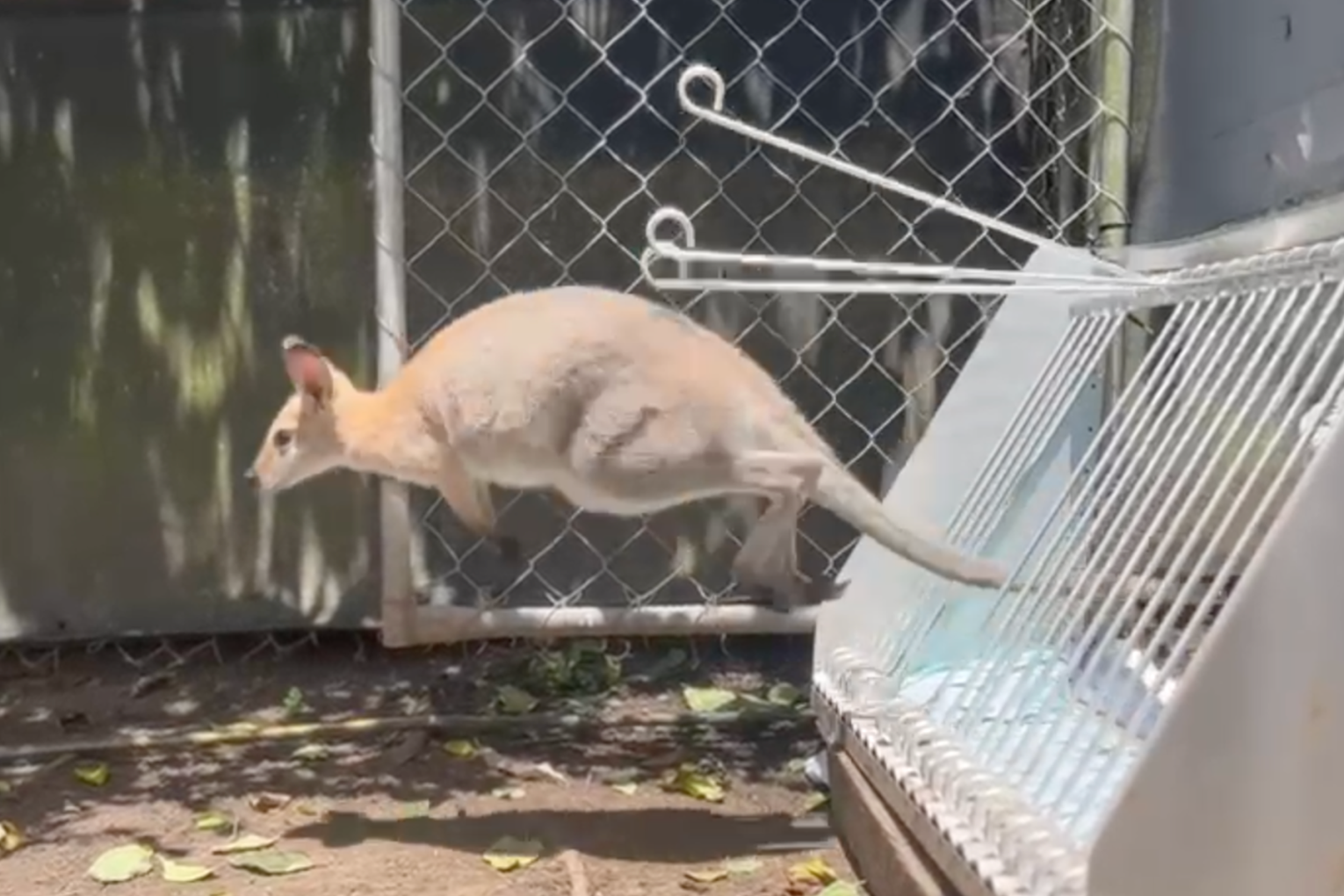
To reduce road fatalities of koalas and wallabies, the City of Moreton Bay has introduced roadside hatches and new fauna fencing after a successful trial.
The Fauna Escape Hatches allow wildlife to quickly escape from road corridors to nearby bushland while preventing re-entry.
The hatches have been developed by local business Endeavour Veterinary Ecology (EVE) with support from the council after extensive scientific trials.
Council is also working with EVE to trial its new hatches adapted specifically for marsupials to reduce road accidents with kangaroos at three locations across Bribie Island.
Mayor Peter Flannery said the council was excited about the installation of the larger hatches, which would allow wildlife to safely exit the roadway.
You might like

“Following the promising results of our world-first trial, we are not only looking at where we can install more hatches but how we can use them to protect other native species and road users,” Flannery said.
“Kangaroos and wallabies, like the koala, have substantial populations in the City of Moreton Bay, so we are thrilled that EVE, and our council team have both designed hatches to accommodate these larger species.”
Council recently rolled out 16 hatches at wildlife-vehicle collision hotspots across the city for last year’s koala breeding season.
Camera monitoring at two sites over twelve months revealed koalas, echidnas and other native wildlife were using the hatch to return to bushland from road corridor. During this period, no koala fatalities were recorded where the hatches had been installed.
Stay informed, daily
EVE Technology Manager Natasha Banville said the new hatch design was an adapted version of the original, which was put through rigorous testing with all kinds of wildlife in mind.
“We’ve seen echidnas, bandicoots and possums interact with the hatch and now we’ve been able to alter its design to cater for macropods.
“When it’s estimated that around 10 million native animals are killed on Australian roads each year due to vehicle collisions, research with trials like these are key to reduce human-wildlife conflict on our roads, which are catastrophic, not just for wildlife, but for people on the road too.”
“This is really exciting to see a simple but effective device born in southeast Queensland having a real-world impact that could extend Australia-wide.”
Councillor Brooke Savige said the recently completed fauna fencing around Avon Avenue on Bribie Island would prevent wallabies and kangaroos from ending up on roads.
“While this green infrastructure will prevent kangaroos and wallabies from crossing the road, we still need drivers to slow down and stay alert for wildlife,” Savige said.
Council has also installed seasonal signs in key wildlife collision hotspots, warning drivers of peak wildlife breeding and dispersal times.
Want to see more stories from InDaily Qld in your Google search results?
- Click here to set InDaily Qld as a preferred source.
- Tick the box next to "InDaily Qld". That's it.