Alleged Bondi shooter moved to supermax prison
Alleged Bondi shooter Naveed Akram has been moved to a notorious jail reserved for the state’s worst criminals.
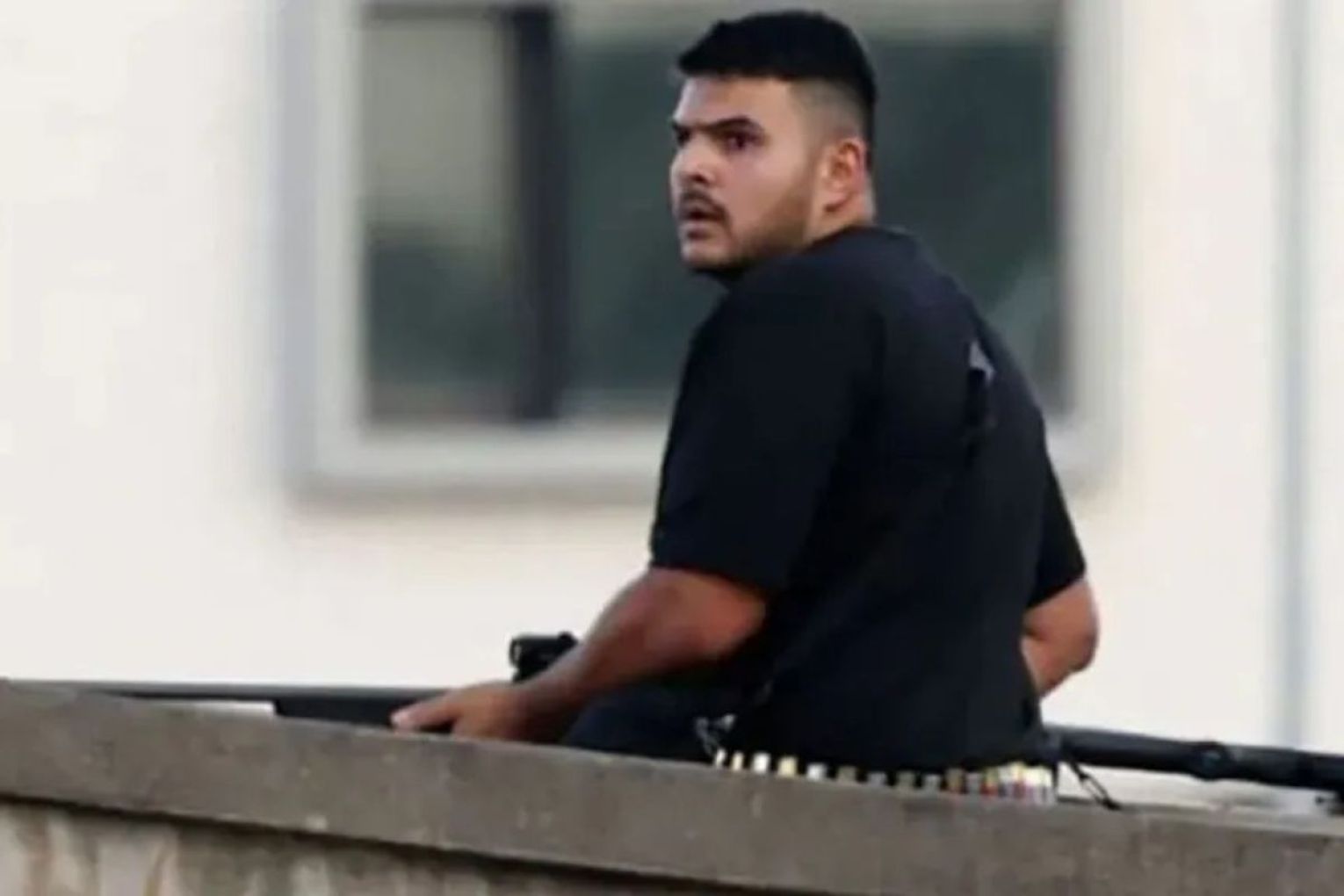
The 24-year-old accused mass killer was transferred from Long Bay jail in Sydney to Goulburn Correctional Centre, a supermaximum security prison, about 200km south of the city, on Monday.
Corrective Services NSW said the facility is “the most secure prison in the state and is equipped to accommodate inmates who pose the highest levels of risk”.
Akram faces 59 charges, including 15 counts of murder, over the shootings at Bondi Beach on December 14, where 15 victims were killed in an antisemitic terror attack inspired by Islamic State
He was shot by police at the scene and spent days in a coma before being charged.
His father, Sajid Akram, 50, was shot dead by police.
The gunman’s transfer comes as NSW Police Commissioner Mal Lanyon is expected to decide on Tuesday whether to use his controversial powers to restrict public assemblies for another fortnight.
Laws rushed through state parliament in the aftermath of the deadly mass shooting granted the commissioner the ability to ban protests in key metropolitan areas following a declared terrorist incident for up to three months.
Meanwhile, federal politicians are expected to be hauled back to Canberra before Australia Day to pass reforms responding to the Bondi Beach massacre.
You might like

| Invalid YouTube URL Sponsored |
The laws are likely to crack down on hate speech, targeting preachers who incite violence and hatred against other faiths, while potentially also implementing the largest gun buyback Australia has seen in years.
They’re being drawn up after a father and son, inspired by Islamic State, opened fire on Jewish Australians celebrating Hanukkah on December 14 at the nation’s most famous beach.
Federal parliament is currently scheduled to return on February 3.
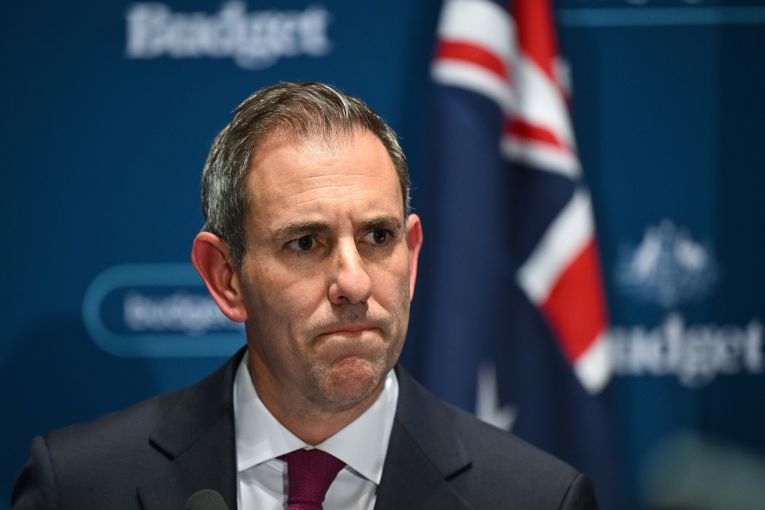
Treasurer Jim Chalmers wouldn’t say whether that would change, but conceded an early sitting was a possibility.
“We’re working very hard on updating arrangements around hate speech. We’re working very hard with our state and territory counterparts on strengthening our gun laws,” he told reporters.
“We will recall the parliament when we can legislate some of those very substantive steps.”
He also praised public servants who are drafting the new laws.
“I wanted to thank a whole range of commonwealth officials who have been working around the clock since the horrific events of December to work with ministers to update and strengthen the legislation,” he said.
Asked whether she’d discussed bringing parliament back early with Prime Minister Anthony Albanese, Opposition Leader Sussan Ley said they’d had “brief conversations”.
Stay informed, daily
“I don’t have a firm date from the prime minister,” she told reporters in Canberra.
Ley called for parliament to be brought back before Christmas, but the government rejected that push as its hate speech reforms had not yet been finalised.
“Every day the parliament has not come back has been a day that it should have come back,” Ley said.
“Whenever it comes back, it won’t be coming back early. It will be coming back late.”
The first sitting is expected to be held as soon as January 12, but is more likely to be in the week of January 19.
Albanese is also staring down pressure from sporting icons, business groups, the opposition and crossbench to call a national royal commission into the Bondi attack.
Labor has so far rejected calls for a wide-ranging inquiry to examine the shooting and antisemitic sentiment in the community.
Ley said she would leave “no stone unturned” in her effort to secure the probe, accusing Albanese of “hiding behind a smokescreen of national security”.
“If the prime minister has to be dragged kicking and screaming to call this royal commission, then so be it,” she said.
But Chalmers argued a federal probe would be slow and cumbersome, saying other inquiries were already afoot.
“The government’s position is that we are focused on the urgent and the immediate,” he said.
Independent federal MPs Monique Ryan, Kate Chaney, Sophie Scamps and Zali Steggall are the latest to write to Albanese demanding a federal royal commission.
“Only a federal royal commission will have the power to comprehensively and independently investigate the circumstances leading to, and authorities’ response to, the attacks, and examine actions and co-ordination across all levels of government,” they said in a joint letter to Albanese.
Other independents — including Sydney MPs Allegra Spender and Nicolette Boele, ACT senator David Pocock, Tasmanian MP Andrew Wilkie and South Australian Rebekha Sharkie – have previously expressed support for a national royal commission.
On Sunday, Olympians Dawn Fraser, Ian Thorpe, Grant Hackett and Nova Peris joined around 60 athletes to demand a federal royal commission.
Want to see more stories from InDaily Qld in your Google search results?
- Click here to set InDaily Qld as a preferred source.
- Tick the box next to "InDaily Qld". That's it.