Commitment to add more Queensland beaches to shark monitoring program
The government’s SharkSmart drone surveillance program spotted hundreds of sharks across 16 monitored beaches in the state’s south east last year. Read where most were sighted.
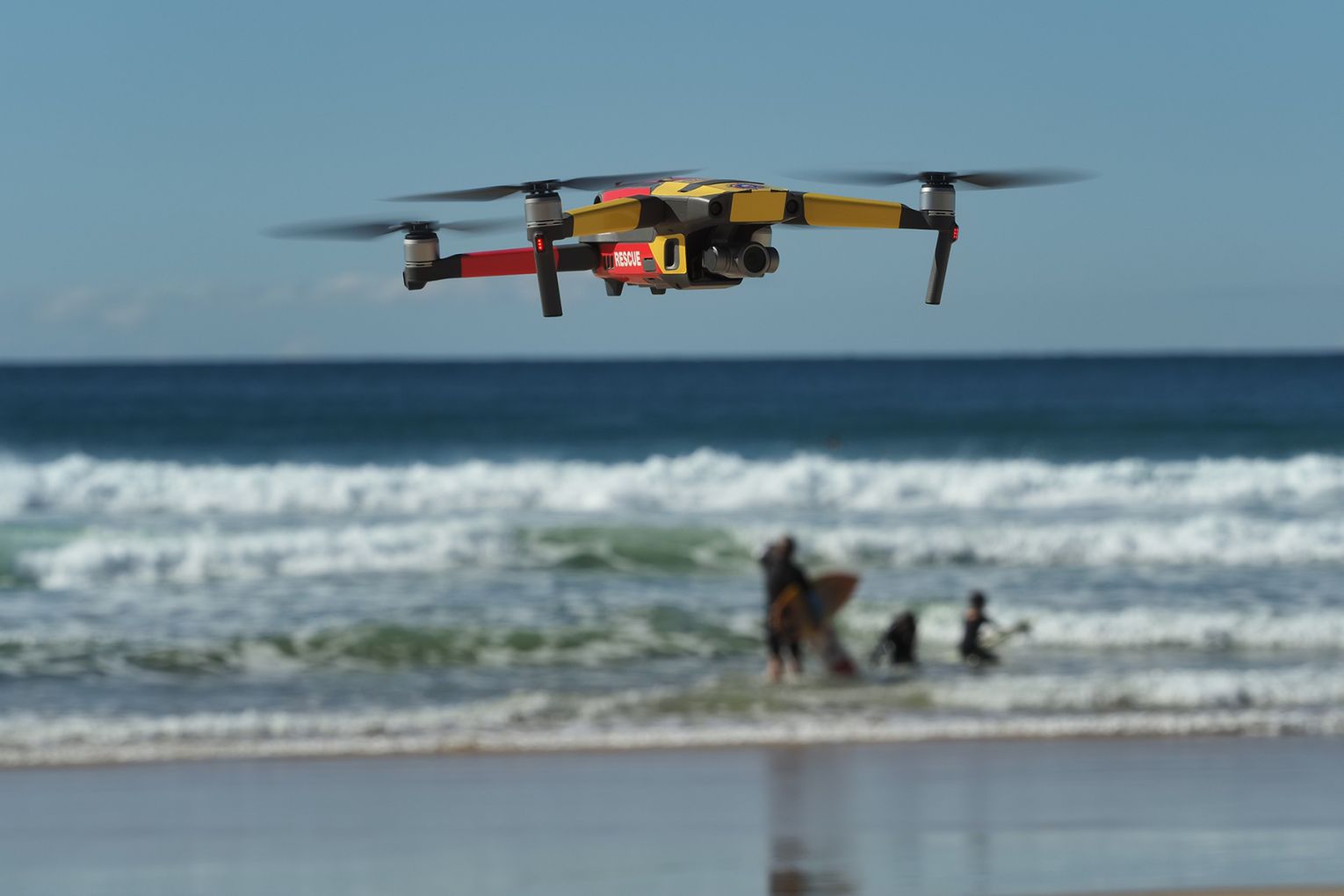
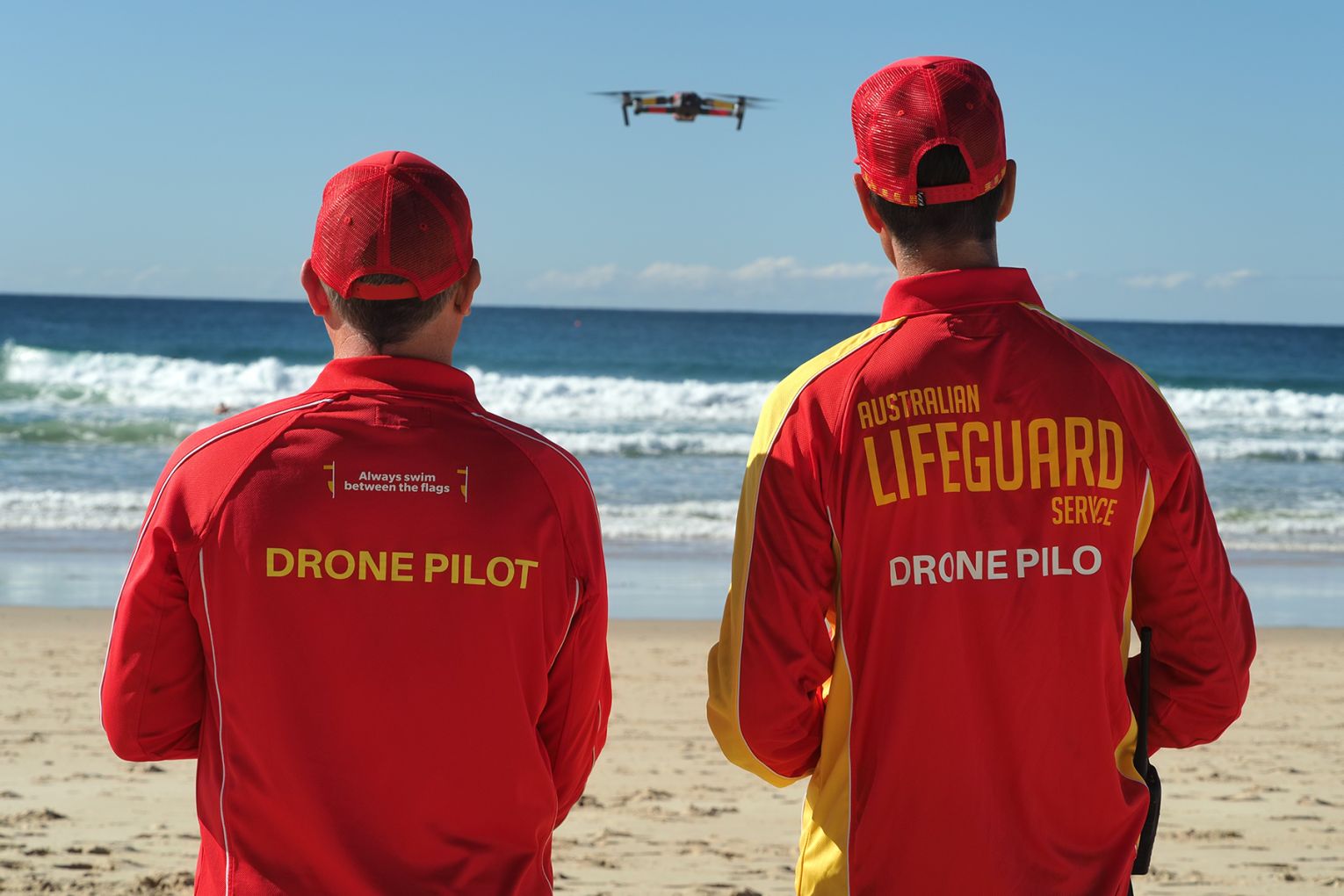
Six Queensland beaches have been added to the SharkSmart drone surveillance program, with more than 545 drone flights completed this summer.
These beaches include Kirra Beach (Gold Coast), Cylinder Beach (North Stradbroke Island), Tangalooma (Moreton Island), Kings Beach (Sunshine Coast), Kelly’s Beach (Bundaberg) and Agnes Water Main Beach.
Since the program began four months ago, the SharkSmart drones have been stationed at key Queensland beaches to monitor and detect shark activity.
In 2025, the drones detected more than 862 sharks at 16 monitored beaches, with 124 greater than two metres in length.
Shark sighting were most common at Main Beach, North Stradbroke Island and Burleigh Beach, and least common at Alexandra Headland and Southport Main Beach.
You might like

Primary Industries Minister Tony Perrett said the drone program would cover Queensland’s most popular and densely populated beaches.
“We boosted the investment into the Shark Control Program by 151 percent, resulting in more than $88 million of additional funding over the life of the plan to return to its primary purpose; to protect swimmers at select beaches from shark attacks,” Perrett said.
“Importantly, 60 percent of the new investment delivers the non-lethal and innovative solutions that have been a key feature of the strengthened Shark Management Plan 2025-2029.”
The SharkSmart drones operate at selected beaches on weekends, public holidays and Queensland school holidays, flying twice every hour for 20 minutes from morning to midday.
Stay informed, daily
If a drone spots a shark, it flies lower and follows the shark, allowing lifesavers to monitor the shark’s location and evacuate the water if necessary.
Perrett said the drones provided a birds-eye view of the ocean and awee a more cost-effective method for shark spotting than helicopter flights.
The main limitations for the drones are that they cannot be operated in poor weather, require skilled operators and are less effective with murky waters.
The program will also roll out 383 drumlines with daily servicing across the coast of Queensland to be operated throughout the year with contractors aiming to respond to caught animals within an hour.
Drumlines consist of a baited hook attached to a buoy and floats which are anchored to the sea floor.
There are also 27 shark nets between 124-186 metres in length being used in southeast Queensland, with an ongoing need for the maintenance of a Marine Animal Release Team to release entangled animals.
The Shark Control Program outlines that while the program seeks to minimise negative impacts on marine ecosystems, it is not a purpose of the program.
The drone program was introduced following a successful trial where Surf Life Saving Queensland conducted 17,954 drone flights between 2020 and 2024 across ten locations.
SharkSmart drones are also in operation at Gold Coast beaches Burleigh, Kurrawa and Main Beach, Sunshine Coast beaches Alexandra Headland, Coolum North, Noosa Main Beach and Minjerribah, Woorim, Rainbow and Alma Bay on Magnetic Island.
Want to see more stories from InDaily Qld in your Google search results?
- Click here to set InDaily Qld as a preferred source.
- Tick the box next to "InDaily Qld". That's it.