Govt bid to remove Great Barrier Reef from World Heritage in danger list
Australia has submitted a report to UNESCO today in an attempt to keep the Great Barrier Reef off the World Heritage in Danger list, but activists claim climate action still falls short.
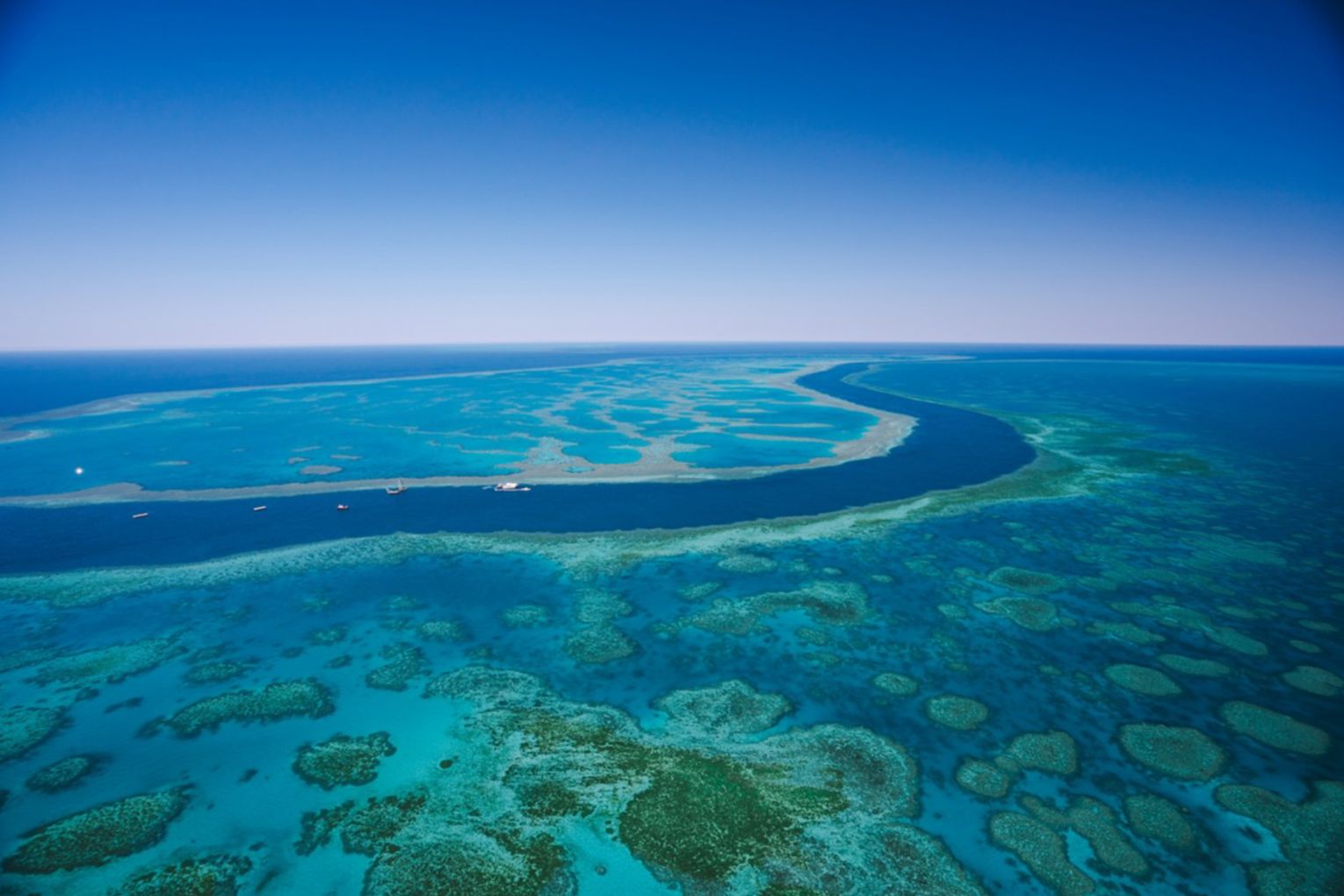
Today, the Australian Government submitted its State Party Report on the current state of conservation of the Great Barrier Reef to UNESCO.
According to Environment and Water Minister Murray Watt, the report outlines the sustained and ongoing actions taken by the Australian and Queensland governments.
This includes boosting the Reef’s resilience to the cumulative impacts of climate change and other threats.
In addition, Watts said the Albanese government had invested $1.2 billion to help build the Reef’s resilience.
Meanwhile, recent changes to national environmental laws mean that land clearing is now restricted within 50 metres of a watercourse, wetland or drainage line in the Reef catchment area.
It also lifted Australia’s 2035 greenhouse gas emissions reduction targets in recognition of the risk climate change poses to the Reef’s headquarters, has created a program to develop and deploy large-scale climate adaptation interventions on the Reef and is continuing to improve water quality and advance sustainable fishing practices.
You might like


“The Albanese Government is committed to protecting the Great Barrier Reef and the 77,000 jobs that depend on it,” Watt said.
“This report reaffirms Australia’s ongoing action against climate change, improving local water quality, protecting our marine life, dealing with invasive species, and investing a record amount of money into reef programs.
“That’s why Australia’s management of the Great Barrier Reef World Heritage Area is recognised as best practice.”
The Australian Marine Conservation Society said that despite funding and reforms, the condition of the reef shows that current actions are not matching the scale of threats.
Dr Lissa Schindler, Great Barrier Reef campaign manager, said the government is not doing enough to mitigate rising ocean temperatures or address local pressures, such as water pollution and fisheries.
“The question isn’t whether our governments are doing things. It’s whether what’s being done is enough to turn the Reef’s trajectory around,” Schindler said.
Stay informed, daily
Schindler said Australia’s 2035 emissions reduction target is not aligned with limiting warming as close to 1.5 degrees as possible, which is a critical threshold for coral reef survival.
“Australia also remains one of the world’s largest exporters of fossil fuels,” Schindler said.
The report found that while Australia may be pushing forward with renewable energy projects, Queensland, the joint manager of the Reef, is moving in the opposite direction, with renewable energy approvals slowing and coal-fired generation being extended.
“Every extra year of burning coal means more carbon pollution, hotter oceans and more coral bleaching. This is the opposite of what the Reef needs,” Schindler said.
“Alongside climate change, poor water quality continues to undermine the Reef’s ability to cope with mounting stress.
“Targets to cut pollution have been delayed repeatedly, and the last water quality plan expired years ago. We still do not have an updated plan that outlines how the government will cut pollution reaching the Reef or how much it will even cost.”
Schindler said while the state and federal government continue phasing out gillnets and independent monitoring of trawl fishery, Australia’s largest coral fishery continues to harvest corals from a World Heritage Area under significant pressure.
“The Australian Government must do more to support the Queensland Coral Fishery to rapidly transition from wild harvest to tank-grown coral aquaculture to help protect our unique and precious corals and increase reef resilience,” Schindler said.
“UNESCO has now brought Australia before the World Heritage Committee three times in a row, with water pollution and climate change consistently flagged as key concerns. If those gaps aren’t closed, international scrutiny won’t go away and neither will the risk to the Reef’s future.”
Want to see more stories from InDaily Qld in your Google search results?
- Click here to set InDaily Qld as a preferred source.
- Tick the box next to "InDaily Qld". That's it.