New Brisbane cancer clinic’s innovative technology
A new cancer rehabilitation centre says it will bring groundbreaking technology to Queensland with its clinic opening on Thursday.
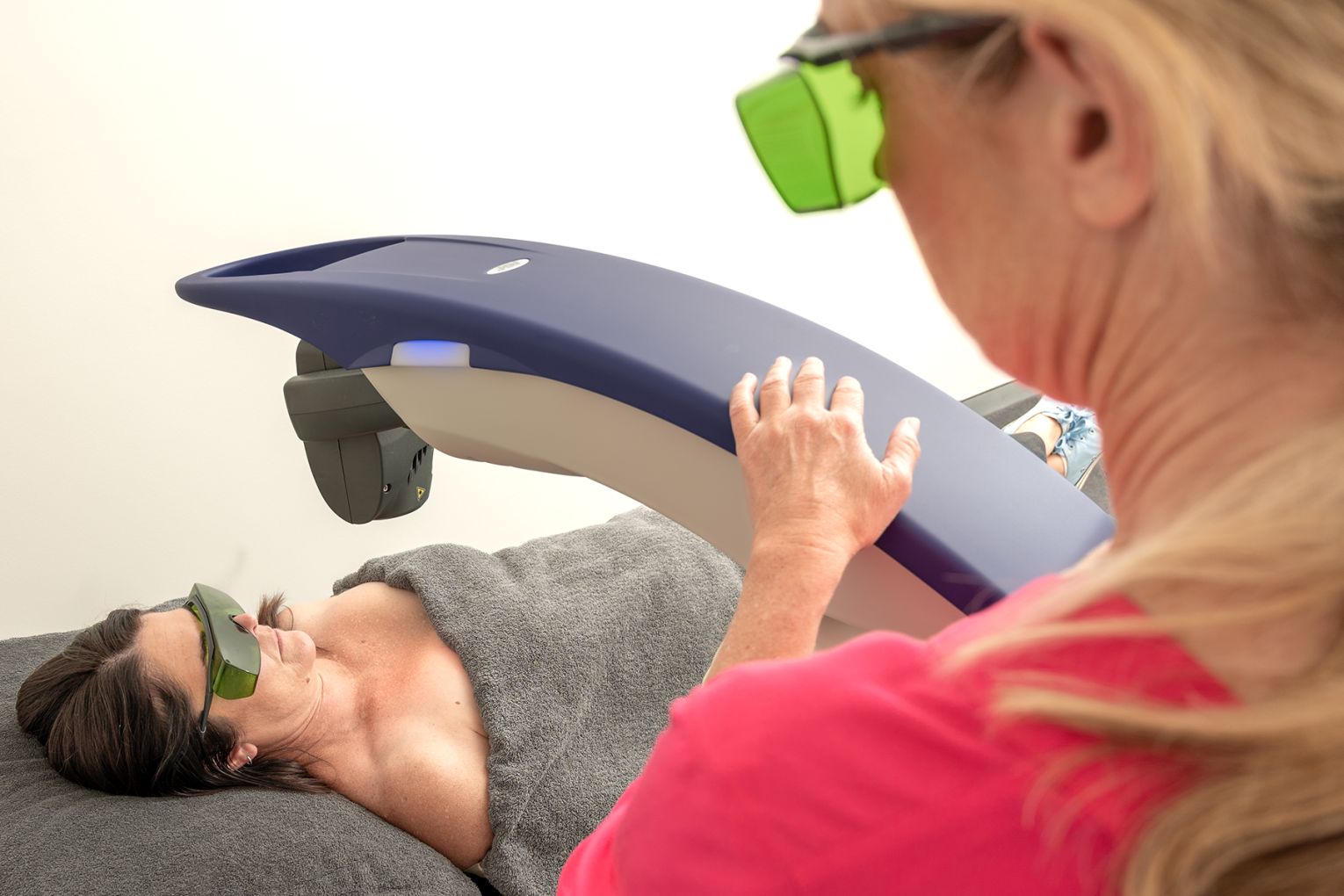
A new cancer clinic opening in in Fortitude Valley, the Leading Light Rehab Clinic ,was expected to introduce OncoLaser therapy, a cancer rehabilitation treatment developed in Australia.
The OncoLaser system was developed by co-director Kate Perkins and clinic CEO and co-director Dr Catherine Norton, who will join a panel of oncology and integrative health leaders at the clinic’s opening on Thursday.
The treatment is described by the OncoLaser team as a non-invasive, opioid-free and painless post-surgical care for patients in recovery from cancer treatment.
Perkins describes OncoLaser’s mission to bridge gaps between conventional supportive oncological care and complementary technologies.
“OncoLaser was established to provide patients with access to safe, clinically supported laser therapy as an adjunct to standard cancer care,” Perkins said. “Opening at Leading Light Rehab Clinic allows us to extend these services to more patients in Brisbane in a collaborative healthcare environment.”
You might like


The treatment service uses laser treatment to manage side effects, support tissue repair, reduce inflammation and enhance the overall recovery of patients undergoing cancer treatment.
Norton elaborated on the science behind the innovative technology, saying OncoLaser was designed to work alongside conventional cancer treatments, not replace them.
“It uses low-level laser therapy (photobiomodulation) to support healthy tissue before, during, and after chemotherapy, radiation, and surgery,” Norton said.
Norton adds that traditional oncology destroys cancer cells, while OncoLaser was designed to reduce the painful side effects of treatment.
Stay informed, daily
“Used preventatively and throughout the treatment process, OncoLaser helps patients better tolerate cancer therapy and may reduce treatment interruptions.”
OncoLaser addresses the side effects and tissue damage caused by traditional cancer treatments, Dr Norton explains, by providing relief for painful treatments like chemotherapy, radiation, surgery and immunotherapy.
“OncoLaser does not attempt to treat the cancer directly. Instead, it supports healthy cells using low-level laser therapy (photobiomodulation), which stimulates cellular energy production, reduces inflammation, improves circulation, and accelerates tissue repair.”
The use of OncoLaser in conjunction with traditional treatments can reduce complications such as oral mucositis, radiation dermatitis, would healing delays, pain and certain neuropathy symptoms., she said.
Dr David Schlect, radiation oncologist at The Wesley Hospital, also would speak at the opening about latest developments in radiation oncology.
“Cancer treatment continues to advance rapidly,” Dr Schlecht said. “Equally important is ensuring patients have access to supportive therapies that help manage side effects, support healing, and maintain quality of life throughout their treatment journey.”
OncoLaser works collaboratively with cancer treatment centres, general practitioners, surgeons, allied health professionals and specialists to provide patient-centred support throughout the recovery process.
“This multidisciplinary approach provides holistic care that prioritises safety, comfort, and quality of life alongside conventional cancer treatment,” Norton added.
OncoLaser plans to expand its network across regional Australia by partnering with treatment centres, local general practitioners and allied health providers.
Want to see more stories from InDaily Qld in your Google search results?
- Click here to set InDaily Qld as a preferred source.
- Tick the box next to "InDaily Qld". That's it.