Queensland industries call for fuel stability amid shortage chaos
Some of Queensland’s peak industry bodies are calling on the Federal Government to provide stability on rising diesel prices as supply pressures surge across the state.
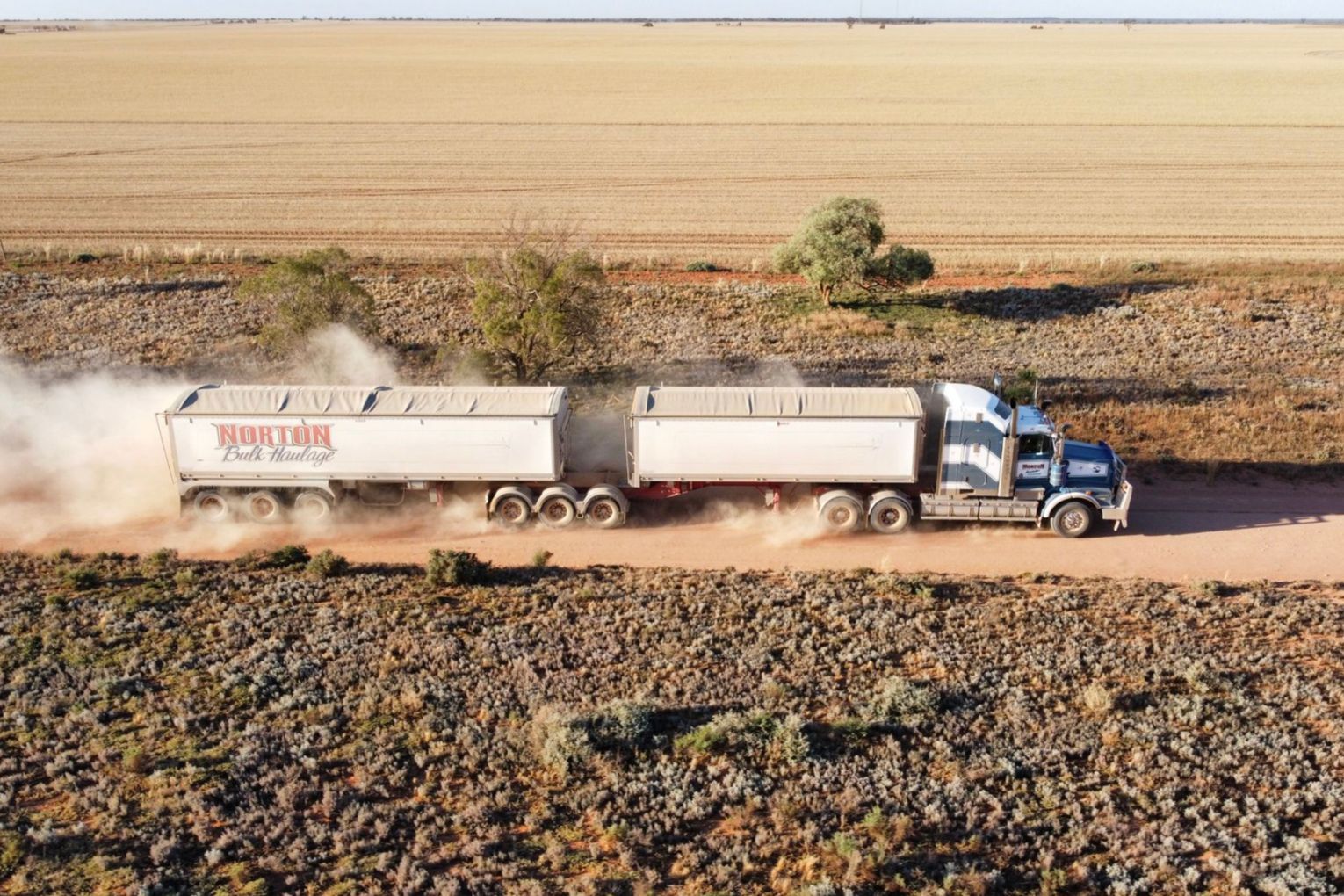
The Australian Livestock and Rural Transporters Association (ALRTA) has called for clear leadership and transparency on Australia’s diesel supply situation from the Albanese Government, as conflict in the Middle East continues.
The peak body for rural road transport businesses said operators have reported diesel price increases of between 30 and 60 cents per litre, while regional fuel suppliers are introducing rationing measures.
ALRTA president Gerard Johnson said with isolated supply pressures being reported, the priority is maintaining confidence and stability across the freight network.
“Transport operators and regional communities need clear information and reassurance that Australia has sufficient fuel supplies and that appropriate measures are in place to maintain stability,” Johnson said.
“Panic buying only risks making the situation worse. What we need right now is calm behaviour from consumers and strong leadership and transparency from government.”
The rapid increase in diesel prices places immediate pressure on rural freight operators already working on tight margins, which Johnson says has increased operating costs almost overnight.
“With industry margins typically sitting between three and seven per cent, that level of cost escalation places enormous pressure on the viability of small and medium regional operators.”
He adds that any disruption to freight operations would have direct consequences for Australia’s food and export supply chains.
You might like


“If diesel becomes unavailable or unreliable along key freight routes, trucks do not move.”
ALRTA cautioned the Federal Government against rushed policy responses to reduce fuel prices, which could have unintended consequences despite short-term relief to motorists.
“For transport operators, the loss of fuel tax credits can effectively add a further five to seven per cent to operating costs almost immediately”, Johnson said.
ALRTA said the priority should be ensuring supply stability and clear communication with the industry.
“The priority must be ensuring fuel continues to flow so trucks can continue to keep supermarket shelves stocked and deliver the export commodities that underpin Australia’s economy,” Johnson said.
Canegrowers Queensland also urged the Federal Government to introduce a national E10 fuel mandate and expand domestic ethanol production as prices soar.
The issue was high on the agenda at the Canegrowers Policy Council meeting yesterday in Mackay.
Canegrowers CEO Dan Galligan said the situation highlighted how exposed Australia was to global fuel shocks.
“Australia imports the vast majority of the fuel we use, and much of it moves through some of the most volatile regions in the world,” Galligan said.
Galligan added that uncertainty about fuel supply was already beginning to spread through the economy.
Stay informed, daily
“Farmers, transport operators and trucking companies are starting to get nervous about what this could mean for fuel availability if the conflict drags on,” he said.
He said that the sugarcane industry crush was still three months away, but contractors were already unsure if there would be enough diesel to get through the season.
Galligan said expanding domestic ethanol production could help shield Australia from future supply shocks.
“Ethanol made from Australian crops like sugarcane can replace a portion of imported petrol and provide a reliable domestic supply,” he said.
While it won’t replace petrol altogether, he said it could reduce exposure to volatile global markets.
“An enforced E10 mandate would mean around 10 per cent of the fuel Australians use could be produced right here at home rather than shipped in from the other side of the world,” he said.
“Producing more of our own fuel here in Australia would make our supply more resilient and help reduce the impact of international shocks on prices at the bowser.”
In a joint statement from federal treasurer Jim Chalmers, minister for climate change and energy Chris Bowen and assistant minister for productivity Dr Andrew Leigh, the parliamentary members outlined the Albanese Government’s course of action.
“We’re putting petrol companies on notice. We won’t cop big corporates treating Australian consumers like mugs,” the statement said.
To keep a lid on fuel prices across the country, the Albanese Government said it would double penalties for false or misleading conduct and cartel behaviour to a maximum of $100 million per offence across the economy.
It would also task the Australian Competition and Consumer Commission to ramp up fuel price monitoring, with a focus on unusual price spikes.
The watchdog would also work with the industry to increase fuel supply to service stations by helping the fuel sector secure authorisation to coordinate supply and unlock bottlenecks.
The MPs said, “Petrol companies are telling us that their fuel stock continues to arrive in Australia on time, in the quantities they expect. We have the supply coming into the country we need”.
“We are not experiencing a fuel shortage but rather localised disruption due to significant spikes in demand.”
Want to see more stories from InDaily Qld in your Google search results?
- Click here to set InDaily Qld as a preferred source.
- Tick the box next to "InDaily Qld". That's it.