Cuba’s electric grid collapses amid oil blockade
Around 10 million people in Cuba have been left without power after the national grid collapsed amid a US-imposed oil blockade.
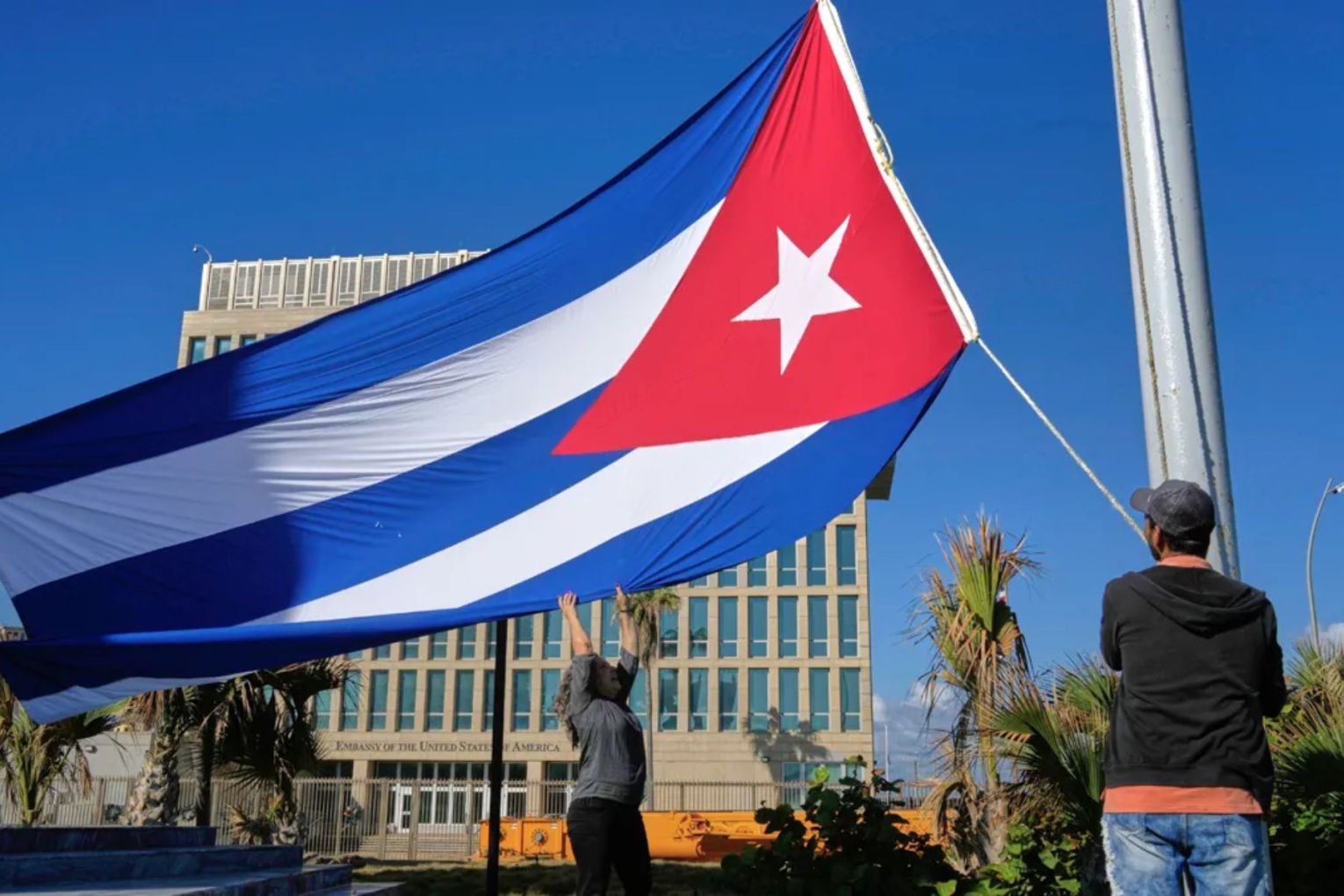
Cuba’s national electric grid has, the country’s grid operator said, leaving around 10 million people without power amid a US-imposed oil blockade that has crippled the island’s already obsolete generation system.
Grid operator UNE said on social media it is investigating the causes of the blackout on Monday, the latest in a series of widespread outages that last for hours or days and that this weekend sparked a rare violent protest in the communist-run country.
The United States has ratcheted up pressure this year on long-time foe Cuba since capturing Venezuelan President Nicolas Maduro – Cuba’s most important foreign benefactor – in January.
US President Donald Trump cut off Venezuelan oil shipments to Cuba and threatened to slap tariffs on any country that sells oil to Cuba, strangling the Caribbean island’s already antiquated grid.
Cuba said on Friday that it had entered into talks with the United States with the hope of defusing the crisis. Trump has said in recent weeks that Cuba is on the verge of collapse and is eager to make a deal with the US.
The Ministry of Energy and Mines on X noted a “complete disconnection” of the country’s electrical system on Monday and said it was investigating, noting there were no failures in the units that were operating when the grid collapsed.
You might like

It was the third major blackout in Cuba over the past four months.
Cuba has received only two small vessels carrying oil imports this year, according to LSEG ship tracking data seen by Reuters on Monday.
The first tanker discharged fuel in January at the Havana port coming from Mexico, which was a regular supplier to the island until then. The second vessel, from Jamaica, discharged liquefied petroleum gas – known as cooking gas – in February.
Venezuela, once Cuba’s main oil supplier, has sent no fuel to the island this year.
Venezuela’s state company PDVSA last month loaded gasoline in a tanker that it had previously used to transport fuel to Cuba, but the vessel has not left Venezuelan waters, PDVSA documents and tanker monitoring data showed.
No large imports have entered this year through Cuba’s main hubs of Matanzas or Moa, which typically handle crude for refining and fuel oil for power generation, according to satellite images analyzed by TankerTrackers.com.
Stay informed, daily
The ports of Havana and Cienfuegos also have not had import activity in more than a month, it added.
‘We’re going to do Iran before Cuba’: Trump
Trump said the United States could soon reach a deal with Cuba or take other action, signalling that developments in the long-strained relationship may come quickly.
“We’re talking to Cuba, but we’re going to do Iran before Cuba,” the US president told reporters on Air Force One.
The comments come as tensions between Washington and Havana remain elevated following years of sanctions, diplomatic friction and disputes over migration and security, with regional allies and investors watching closely for signs of a policy shift.
Cuba’s President Miguel Díaz-Canel said on Friday the country had opened talks with the US as the island faced one of its most severe economic crises in decades.
“These talks have been aimed at finding solutions through dialogue to the bilateral differences we have between the two nations,” Diaz-Canel said in a video aired on state television.
Diaz-Canel said he hoped the negotiations would move the two long-time rivals “away from confrontation”.
Trump in recent weeks had made a series of statements, saying Cuba was on the verge of collapse or eager to make a deal with the US.
On Monday he said Cuba may be subject to a “friendly takeover,” then added, “it may not be a friendly takeover”.
Despite the renewed contact, significant differences remain between the two governments.
US officials have suggested that any easing of pressure would likely depend on political and economic concessions from Havana, while Cuban leaders insist that negotiations must respect the island’s independence.
Want to see more stories from InDaily Qld in your Google search results?
- Click here to set InDaily Qld as a preferred source.
- Tick the box next to "InDaily Qld". That's it.