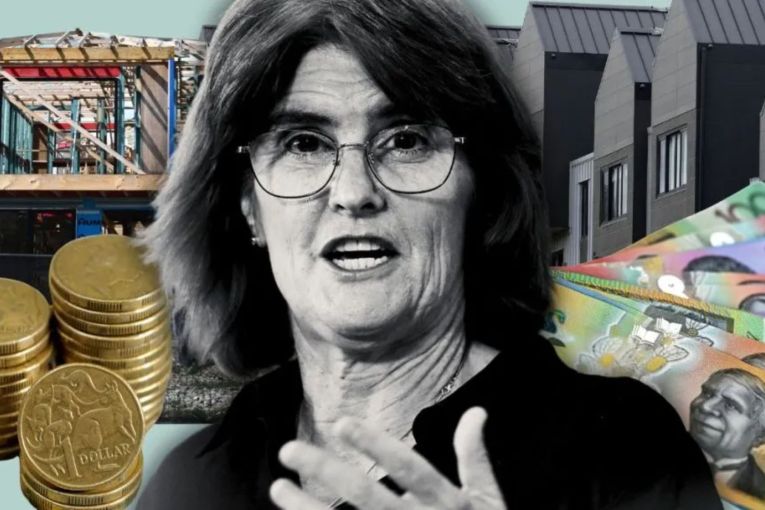
Snap meeting called over spiralling fuel supply fears
The prime minister will convene a meeting of state and territory leaders to find a co-ordinated response to fuel supply issues across Australia.
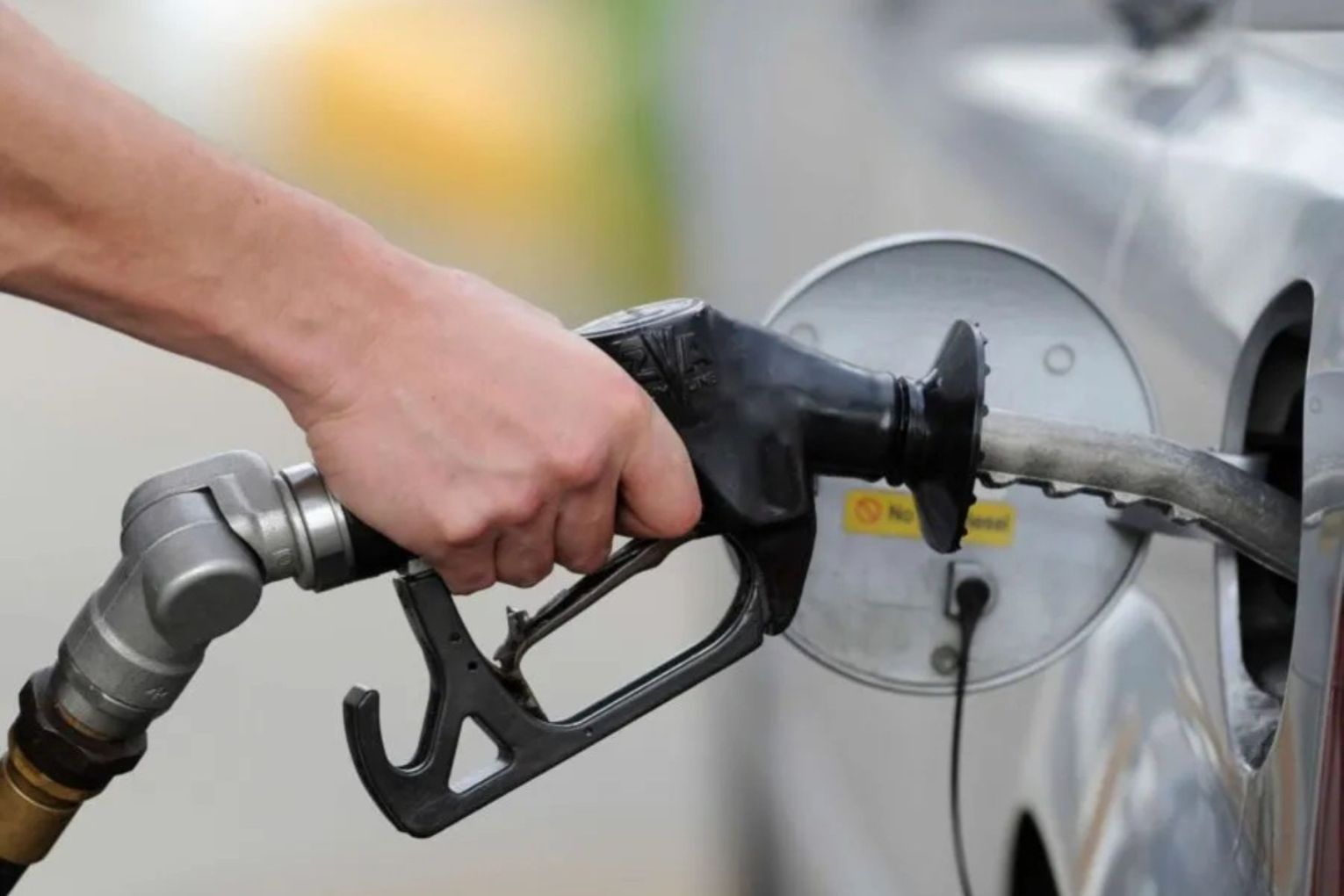
An emergency national cabinet meeting will be held in an attempt to address fuel shortages and price spikes triggered by war in the Middle East.
Prime Minister Anthony Albanese said he would convene a meeting with state and territory leaders on Thursday in Tasmania over concerns about high fuel costs and shortfalls in some regional areas.
“I will convene the national cabinet … to ensure that co-ordination, that’s occurring right across our country, maximises the benefit for business, for farmers, for our communities, in our cities and, in particular, in our regions,” he told the Australian Automotive Dealer Association on Wednesday.
Transport Minister Catherine King is also holding a separate online meeting on Wednesday regarding fuel security with stakeholders from the transport industry.
Energy Minister Chris Bowen said the nation’s fuel supply remained stable despite some regional areas experiencing shortages.
“We’ve been striking agreements, company by company, that they will release more of that fuel into the regions and we’re starting to see some of that flow,” he told ABC TV.
You might like

“Our fuel supplies remain solid in terms of what’s coming in and what’s being produced … rationing is not a conversation that we need to have at this point.”
Australia would not increase its fuel reserves, Bowen added.
“If we were to have 90 days in Australia, that would cost billions of dollars over the next four years, billions and billions to build that storage,” he said.
Australia’s domestic fuel reserves stand at 39 days of petrol and 33 days of diesel.
High fuel prices due to the de-facto closure of the Strait of Hormuz, a key oil-shipping channel, have also led to a spike in airfares and disruption to global supply chains.
The nation’s accommodation sector has already dealt with widespread and significant cancellations since the US and Israel struck Iran, sparking retaliatory attacks.
Stay informed, daily
Many international tourists who planned to travel from or through the Middle East were forced to stay home, Accommodation Australia chief executive James Goodwin said.
“There’s been enormous levels of disruption in the sector,” he told AAP.
Sydney, Melbourne and Brisbane were predominantly affected, but other areas dependent on overseas travellers like Kangaroo Island, Uluru and the Great Barrier Reef were also impacted.
But Goodwin noted occupancy rates had so far remained stable because some stranded travellers and aviation staff were forced to stay in Australia for longer than planned.
In one instance, a Melbourne hotel was asked to provide 130 rooms to accommodate air crew from a Middle Eastern carrier.
Tourism and Transport Forum boss Margie Osmond said the industry was expecting Australian travellers to stay closer to home as high fuel prices and the soaring cost of air travel put a damper on exotic destinations.
The nation’s freight sector is also facing significant pressure from skyrocketing fuel prices.
Australian Logistics Council chief executive Hermione Parsons said the price shocks had shaken the industry to its core and would leave a lasting impact.
“Diesel is the main energy source of transport in Australia,” she said.
“The current instability is adding pressure upon pressure on an already pressured system.”
Some freight companies were being forced to leave trucks sitting in yards, rather than moving goods, because of ongoing issues with fuel supply, one trucking industry source said.
Want to see more stories from InDaily Qld in your Google search results?
- Click here to set InDaily Qld as a preferred source.
- Tick the box next to "InDaily Qld". That's it.