Warning over Olympics pricing out Brisbane’s construction market
Cost experts at Rider Levett Bucknall say that with Brisbane’s construction market months away from full capacity, apartment projects should progress before the Olympics price out the market.
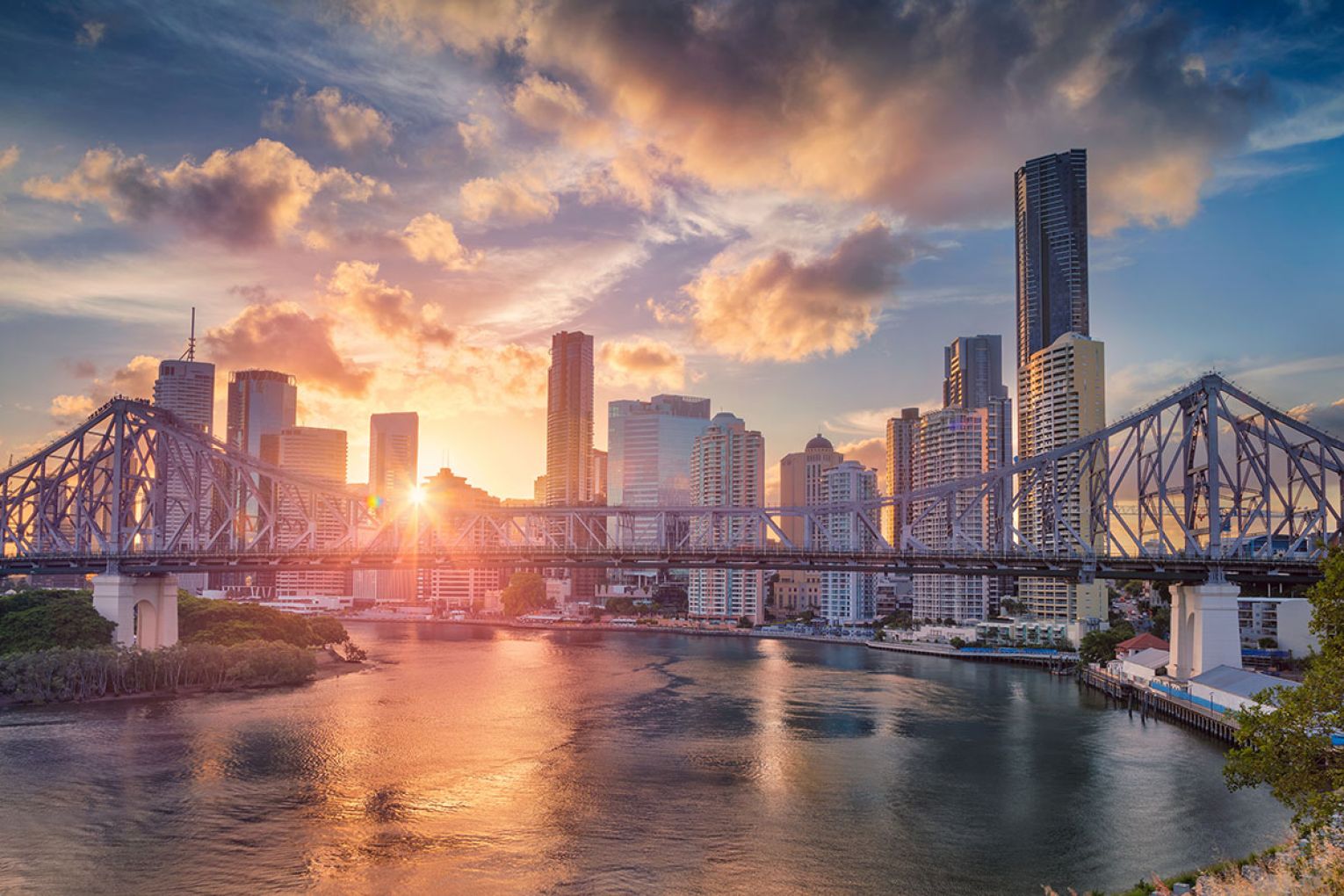
Rider Levett Bucknall (RLB) director Jamie Smith has warned rising costs and tightening resources are likely to hit residential apartment projects the hardest, as a range of Olympic projects across Queensland begin construction.
Smith said the RLB Q1 2026 Australia Report reinforced the urgency for construction-ready projects to begin within the next 12 months.
“While last year saw a 15.9 per cent uptick in approvals nationally, the lack of capacity in the construction sector is impacting project feasibility and sites that could be brought to market are sitting dormant,” Smith said.
He added that Brisbane’s escalation rate is already at five per cent for 2026 and forecasted to lift to seven per cent from 2027 onwards.

In comparison, Melbourne’s escalation rate was expected to stay at four per cent over the next four years and Sydney to only rise as high as five percent in 2028.
“Right now, there is a narrow window where residential projects can still secure competitive pricing before escalation in south‑east Queensland accelerates at the end of 2026, off the back of major Olympics and health infrastructure projects getting underway,” Smith said.

Smith added that the Brisbane construction market was growing at a pace faster than pre-pandemic levels, with major infrastructure projects putting pressure on workforce capacity.
The main challenge, Smith says, will be getting plans “off paper and on-site” while keeping them viable long enough to be built in a capacity-constrained market.
Stay informed, daily
The report found that the key escalation drivers for Brisbane and the Gold Coast were a strong public-sector pipeline, skilled labour shortages, limited competition in the Tier One sub contractor market, insolvency risks and industrial relations constraints.
“Our industry needs to act fast to move projects to tender, particularly in the residential space, so we can meet the significant demand,” Smith said.
“To hit the 8,000 apartments Brisbane needs each year between now and 2031, we need councils, state agencies, and developers all working together to speed up approvals, undertake site preparations early, and lock in builders so they can confidently price and deliver.”
Smith added that the findings were a broad industry forecast, and some projects may experience additional pressures due to specialist or constrained resources or timeframes.
Want to see more stories from InDaily Qld in your Google search results?
- Click here to set InDaily Qld as a preferred source.
- Tick the box next to "InDaily Qld". That's it.