Food bowl fears spark farmers’ call for red tape review
Queensland farmers are warning the state’s food security is at risk, with some claiming an exodus from the land looms unless “unnecessary” regulation around primary industries is addressed.
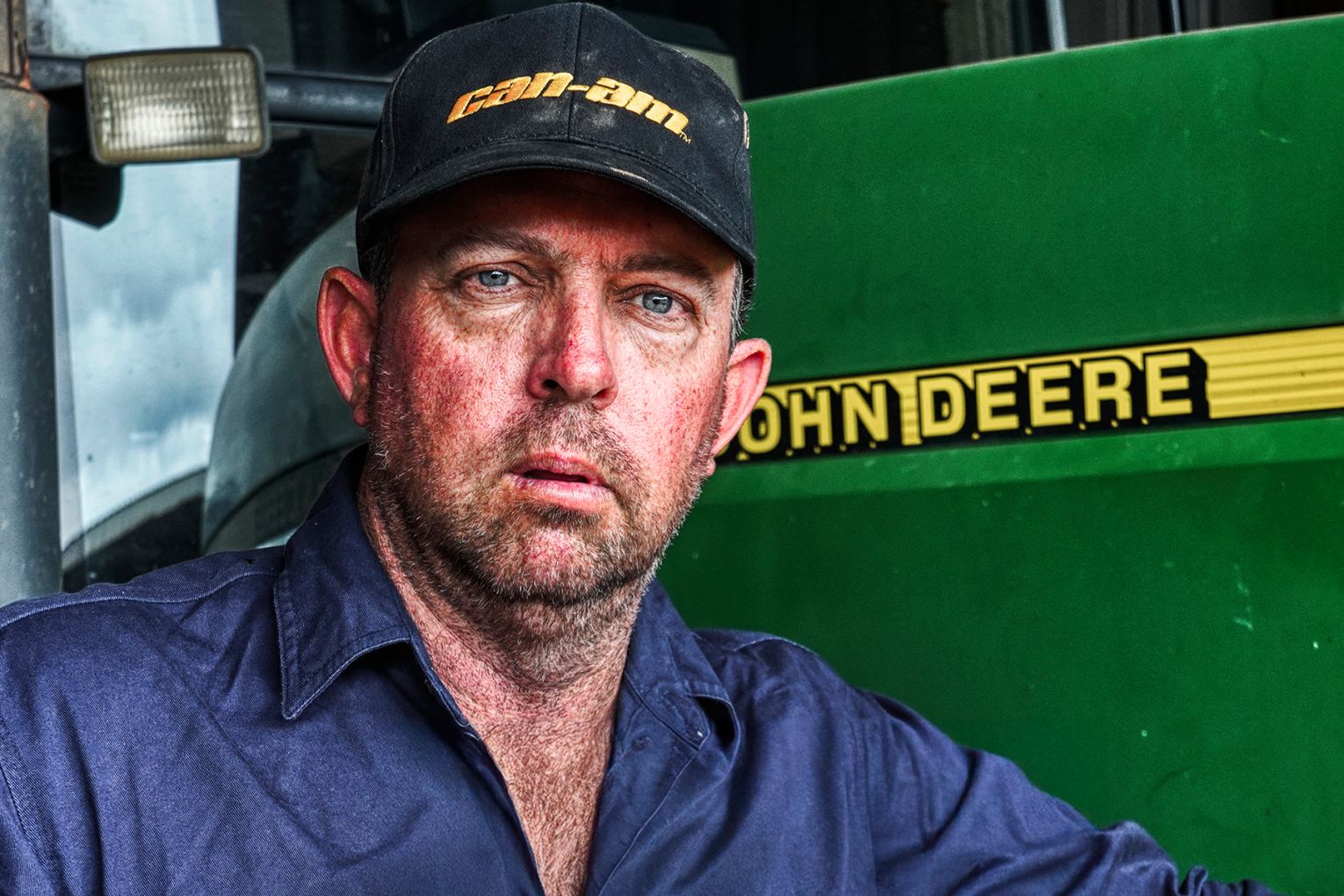
Queensland farmers are warning of a looming exodus from the land, claiming that a stranglehold of red tape is threatening food security and driving up grocery prices for struggling households.
In response, they’ve launched their Hit There, Hurts Here campaign – which calls on the state government to “check the science” behind regulations directly impacting farming, fishing and forestry industries.
The campaign, organised by advocacy organisation Bundaberg Ag-Food & Fibre Alliance (BAFFA) and the non-profit Australian Environment Foundation (AEF), asks Premier David Crisafulli to refer the matter to the Queensland Productivity Commission (QPC) and to launch an inquiry into the red tape around primary producer industries.
The state government issued the QPC a new mandate in 2024 to provide independent policy advice to “to help lift productivity, drive economic growth and enhance living standards for Queenslanders”.
BAFFA is calling on Queensland residents to sign a petition requesting an independent inquiry into the scientific assumptions underpinning producer industries and a proposed initial case study.
You might like


BAFFA director and third-generation farmer Dean Cayley said the layers of regulation would cause many farmers to walk off the land in the next few years, posing a real threat to food security.
“The Premier must listen,” Cayley said.
“We support his Primary Industries Prosper 2050 blueprint released last year, but he needs to take urgent action to stop the downward spiral within primary industries.
“It’s an easy fix – he just has to refer the matter to the Queensland Productivity Commission.”
Stay informed, daily
AEF director, economist and policy advisor Dr Alan Moran said that red tape resulted in higher prices for Queensland households.
“The Queensland Productivity Commission is independent of policy departments and already evaluates regulatory and economic impacts. It would provide a neutral way to assess whether science, outcomes and regulatory burden are aligned,” Dr Moran said.
BAFFA executive chair Dale Holliss said while farmers had been recognised as the backbone of the state’s economy, the sector was at risk.
“Enabling our producers to more easily and cost-effectively create food for every table and deliver hardwoods for construction without layers of unnecessary, and very costly, regulation that is based on unchecked science will help to halt the decline of so many primary industry sectors and support the Government’s goal of growing the sector’s output to $30 billion by 2030,” Holliss said.
“But the State Government needs to act now.”
He said the QPC review should examine whether scientific modelling, assumptions and regulatory settings remain supported by observed outcomes.
“This is not about removing environmental protections – it is about ensuring the science behind regulation is periodically checked against real-world outcomes. Independent review strengthens both environmental confidence and economic sustainability.”
The minister for Primary Industries, Tony Perrett responded to the campaign, saying: “We are slashing red and green tape to restore productivity, after Labor weighed down all sectors with unnecessary bureaucracy, to deliver on our ambitious goal of growing the value of primary production to $30 billion by 2030.”
Want to see more stories from InDaily Qld in your Google search results?
- Click here to set InDaily Qld as a preferred source.
- Tick the box next to "InDaily Qld". That's it.