White line fever: Coked-up fish swim further, new Qld study finds
Cocaine exposure could lead fish to swim further, a study led by researchers from Griffith University has found.
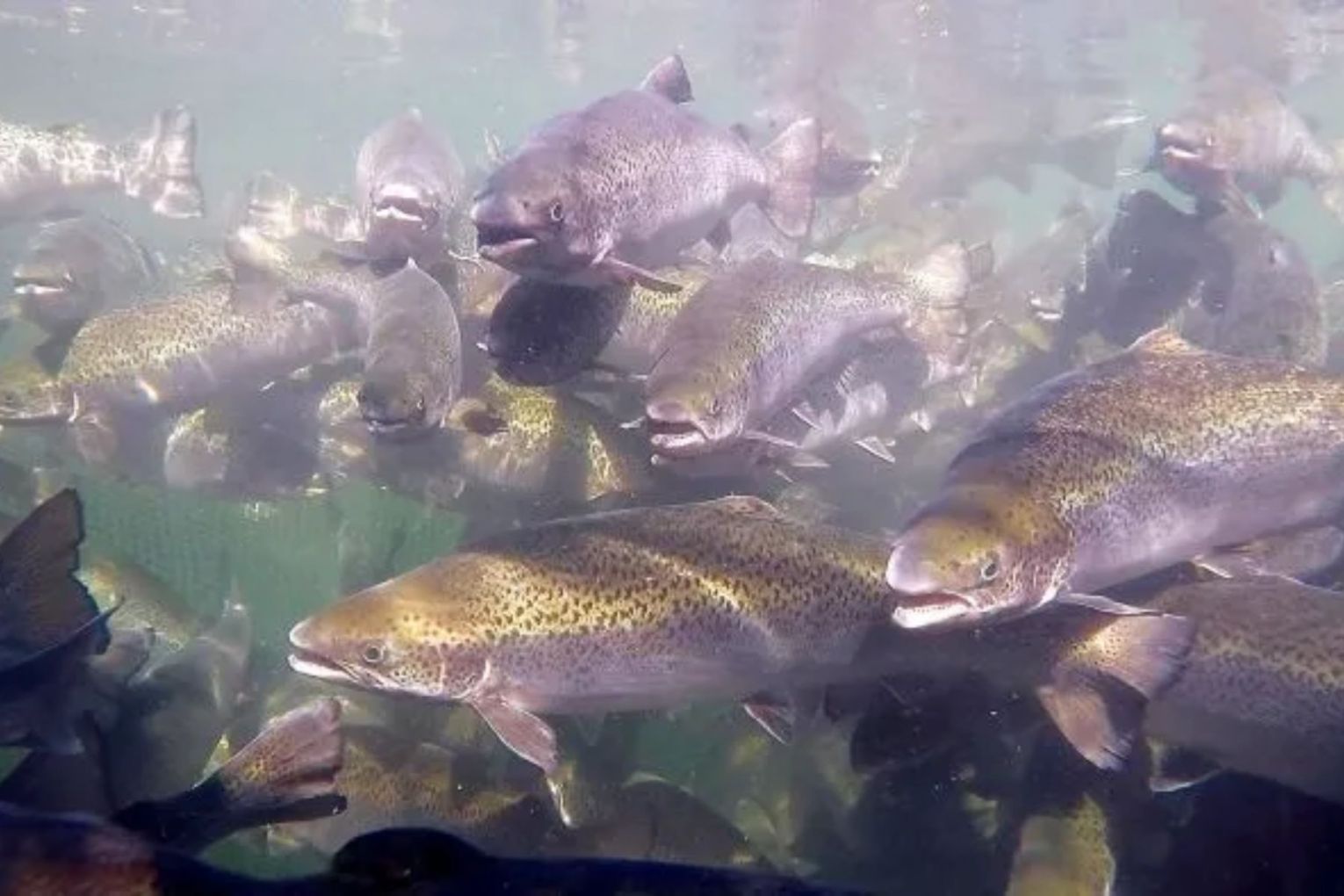
Cocaine exposure could lead fish to swim further, raising alarms as the drug’s by-product seeps into the world’s waterways.
A study led by researchers from Griffith University and other international institutions has found salmon exposed to benzoylecgonine, a cocaine metabolite, swam up to 1.9 times further per week and dispersed up to 12.3km further across a body of water than unexposed fish.
While the impact of more mobile fish was unclear, any change in animal behaviour could be a concern, study co-author Marcus Michelangeli said.
“If we’re finding exposure to these substances basically causes erratic behaviour – in this case, moving too far or bursting further than they naturally do – that can really mess with the normal ecological functions these species play,” Dr Michelangeli said.
Cocaine and benzoylecgonine end up in waterways when the drug is ingested and broken down by humans, and then released into wastewater through urine.


Treatment facilities often cannot fully remove the substances from wastewater, which means they are discharged into lakes and rivers.
Across the world, illicit drug use has increased by about 20 per cent in the past decade.
Cocaine and its metabolite are found in higher concentrations in urbanised areas, cities or other places where there are more humans.
But at this point, concentrations of cocaine in waterways are not high enough to pose any threat to human health, Dr Michelangeli said.
Stay informed, daily
The experiment exposed salmon to cocaine and its metabolite by mixing the drug with coconut oil and injecting it into the fish.
Over time, the fat will slowly break down, releasing the contaminant and exposing the fish to concentrations of the substances found in the environment.
This meant they did not have to pollute an entire waterway and were able to isolate the exposure to the fish while allowing them to swim in the wild.
Over eight weeks, the 105 juvenile Atlantic salmon were monitored in Sweden’s second-largest lake, Lake Vattern.
While the cocaine exposed group also swam further than those not exposed to any substance, the result was statistically insignificant.
“The reality is that wildlife is already being exposed to a wide range of human-derived drugs every day,” Dr Michelangeli said.
“The unusual part is not the experiment – it’s what’s already happening in our waterways.”
-with AAP
Want to see more stories from InDaily Qld in your Google search results?
- Click here to set InDaily Qld as a preferred source.
- Tick the box next to "InDaily Qld". That's it.