‘People don’t want to believe what’s happening’: More go hungry as food crisis hits
A Brisbane charity is among those buckling under a surge of hungry Australians as fuel price pressures swell into a “cost of surviving” crisis.
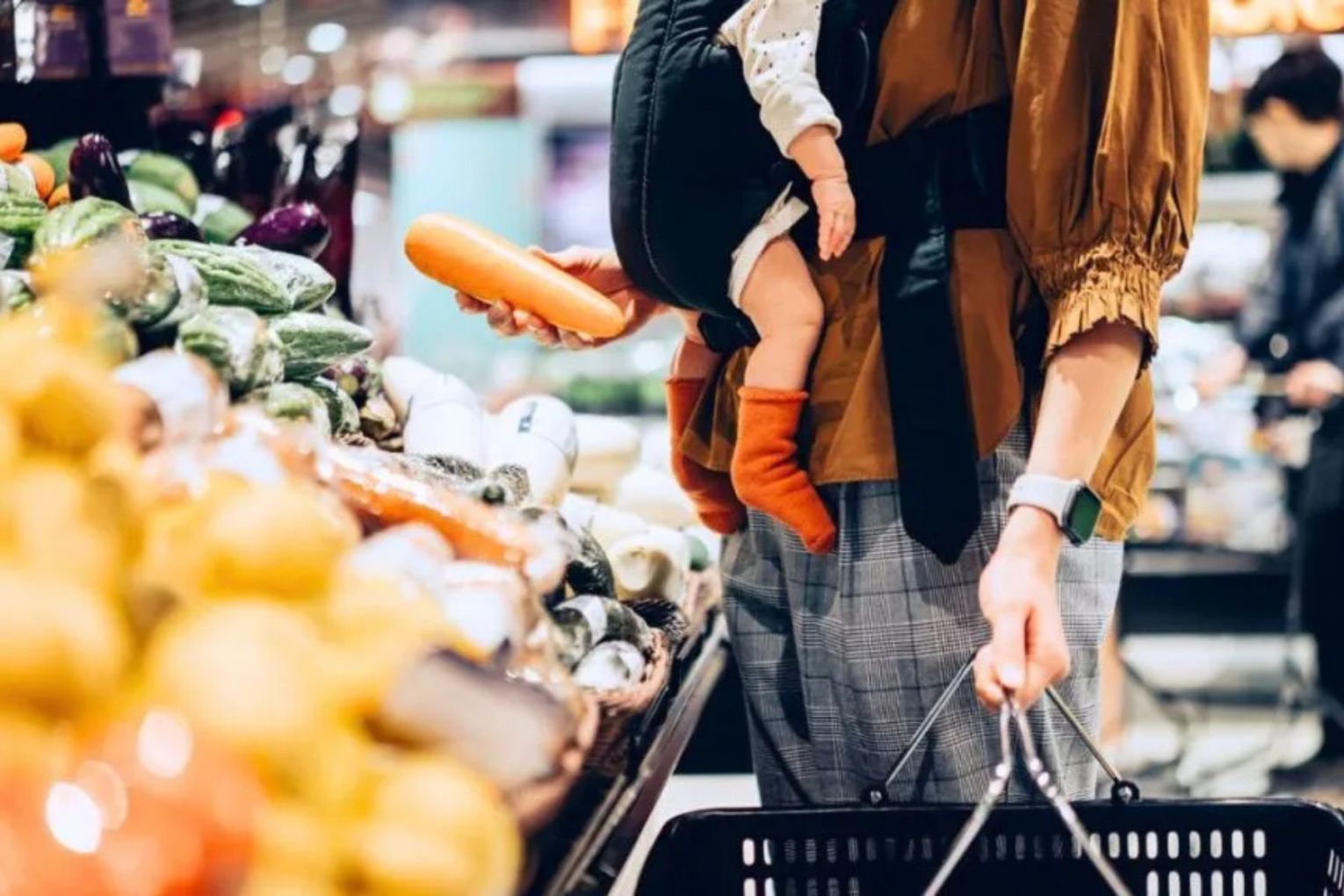
Charities are running out of food to nourish the ballooning number of Australians who can’t afford to eat and are turning away more than 74,000 hungry people every month, a survey has found.
The 875 organisations surveyed by OzHarvest fed more than 350,000 people per month in the year to March 2026, with more than half of respondents in every state and territory reporting higher demand.
Food insecurity – meaning uncertainty about access to safe, adequate food – affects one in eight Australian households and one in three single-parent households, according to 2023 data from the Australian Bureau of Statistics.
But the numbers fighting to put food on the table since then have only swollen, OzHarvest founder Ronni Kahn said.
“Cost of surviving really says it all, because I think we’re in crisis”, she said.
“Our food system is broken … people don’t actually want to believe what is happening.”
You might like


Stepping Stones North, a charity in Brisbane, says even the cheaper meals it provides are steadily growing less affordable and need to be supplemented by donated food.
“I’ve noticed even that $5 meal is becoming a little bit expensive for people if they’re coming in regularly,” the charity’s leader Jacqui Gillespie said.
“We heavily rely on that weekly donation (from OzHarvest), and we get it Thursday and it’s gone … by Friday.”
Healthy food comes at a premium, meaning tight grocery budgets can easily lead to other health and lifestyle issues as consumers forgo proper nutrition to save at the checkout, Gillespie says.
Economists expect the price of fresh produce and dairy to climb as conflict in the Middle East drives fertiliser prices higher.
“There’s no doubt it’s going to have an impact on food pricing because you’ve got … an immediate spike in the cost of production, not just on farm, but … downstream as well,” Rabobank senior research analyst Michael Harvey said.
Stay informed, daily
Bad weather in northern Australia, as well as a jump in processing and distribution costs for packaged foods, were compounding and spreading price pressures beyond milk, fruit and veggies, Harvey said.
He said heftier price tags would likely linger long after the conflict subsides, probably never dipping below what they were before missiles started firing.
“Things might normalise quickly on farm in terms of cost of production, but it’ll be a lag process before consumers see it,” he said.
In Melbourne, charity operations manager Shay Fullee has noticed the war’s impact.
“New people, new faces, people who may not have accessed services previously are now having to reach out,” she said.
“There’s a lot more demand now than we can supply, to be honest.”
Fullee said the crisis is throttling her charity’s budget by forcing it to supplement donated meals with more supermarket-bought food.
OzHarvest has lobbied the federal government to set food security higher on the agenda, but Ms Kahn is not optimistic.
“I would be thrilled to be proven wrong,” she said.
A National Food Security Strategy, announced in July 2025, won’t take shape until mid-2027.
Want to see more stories from InDaily Qld in your Google search results?
- Click here to set InDaily Qld as a preferred source.
- Tick the box next to "InDaily Qld". That's it.