RBA keeps interest rates on hold for first time this year
After three straight interest rate hikes, the Reserve Bank has opted to leave the official cash rate steady at 4.35 per cent, as predicted by economists.
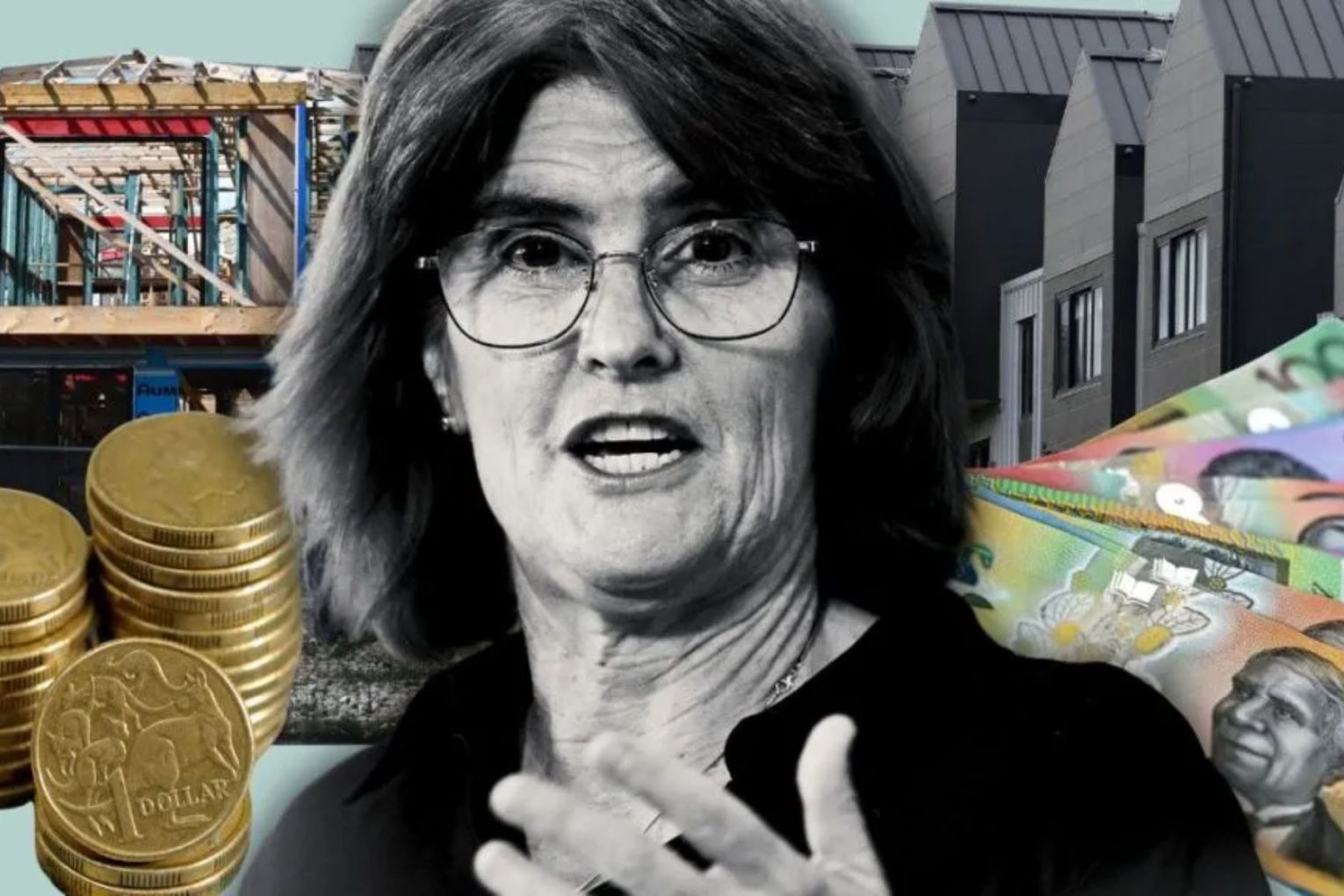
The Reserve Bank of Australia has left interest rates on hold for the first time in 2026 as the nation’s economy deteriorates and questions linger over a potential peace deal in the Middle East.
Following three consecutive rate rises, the central bank’s monetary policy board voted unanimously to leave the cash rate steady at 4.35 per cent on Tuesday.
The decision was anticipated by the majority of economists and financial markets.
But the question now is whether it heralds the end of the bank’s hiking cycle or is merely a pause before the next move upwards.
The odds of a rate hike lengthened following softer-than-expected economic growth figures, a jump in the unemployment rate and better-than-forecast inflation figures since the previous rate meeting in May.
You might like

Added to the list of considerations for the Reserve Bank was a federal budget which has already compounded a housing market slowdown thanks to proposed curbs to property investor tax breaks.
Economists have revised down home price growth forecasts, with ANZ now expecting a nationwide housing downturn in 2026 and 2027.
Questions over a tentative Iran peace deal also remain.
Financial markets were pricing in about a one-in-two chance of one more rate rise in 2026 ahead of the meeting.
Stay informed, daily
While all four big banks predicted a hold prior to the meeting, Westpac was the only one still forecasting more hikes this year.
Cost pressures were still coming through the pipeline strongly, said Westpac senior economist Pat Bustamante.
A survey of businesses by Westpac and the Australian Chamber of Commerce and Industry showed firms were facing a growing squeeze on both costs and demand in the March quarter.
“On the one hand, we’re seeing activity stall,” Bustamante told reporters in Canberra.
“But at the same time we’re seeing cost pressures remain elevated and expectations of future cost pressures are also high amongst the manufacturing sector.”
It demonstrated the dilemma for the RBA, working against two opposing forces, he said.
“The only way to rectify this is to (reignite) productivity growth across the economy. And that’s what the government should focus on: supply side measures, boost productivity and support growth without necessarily leading to more inflation,” Bustamante said.
Want to see more stories from InDaily Qld in your Google search results?
- Click here to set InDaily Qld as a preferred source.
- Tick the box next to "InDaily Qld". That's it.