PM unveils tax carveouts after budget backlash
The Albanese government will expand an existing capital gains tax concession for small businesses as it tries to calm the blowback from its federal budget.
The Albanese government will expand an existing capital gains tax concession for small businesses and introduce a new concession as it tries to calm the blowback from its federal budget.
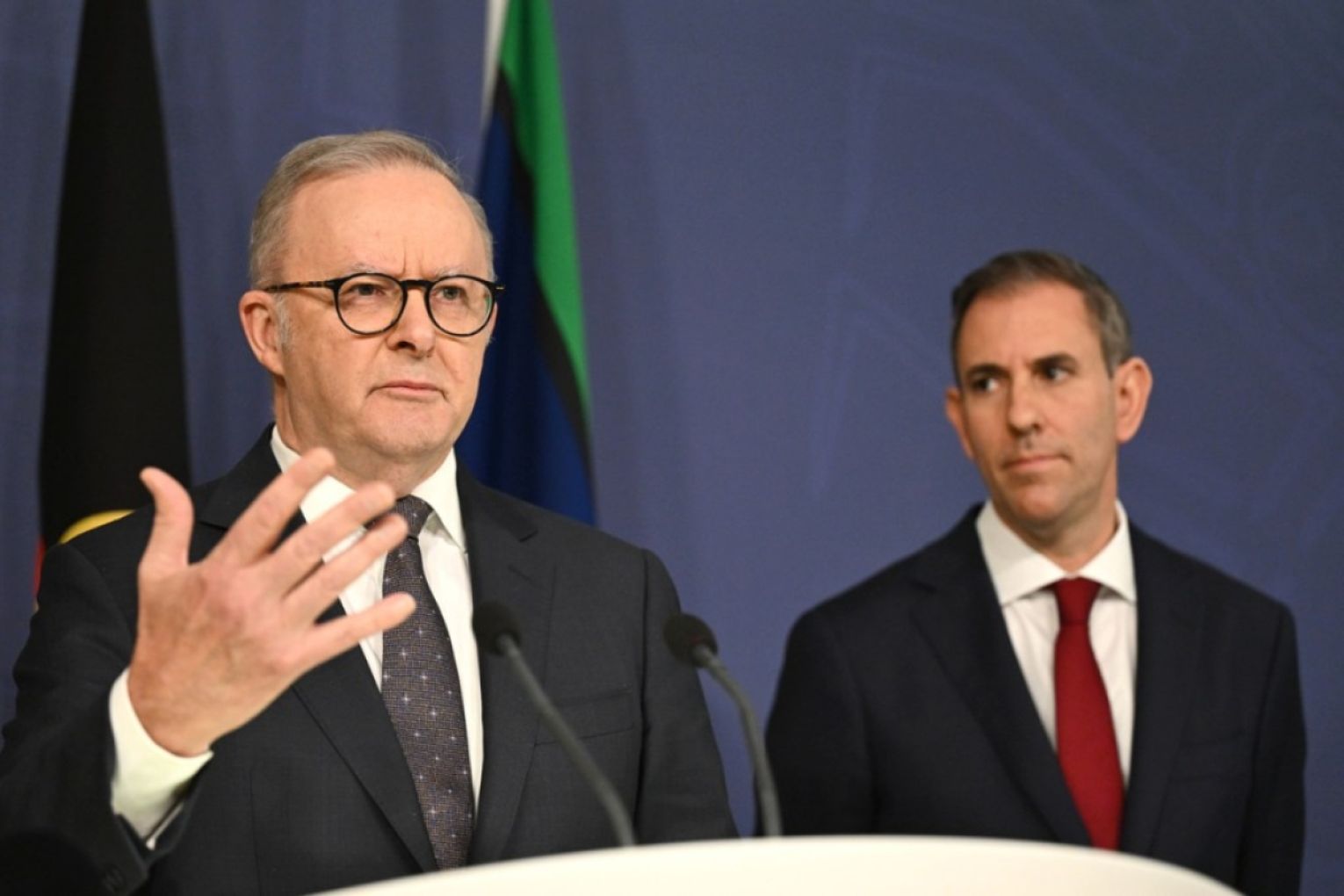
Prime Minister Anthony Albanese and Treasurer Jim Chalmers announced the backdowns on Thursday.
Under the changes, one of four existing small business capital gains concessions, the 50 per cent active asset reduction, will be extended to all businesses with a turnover up to $10 million a year.
The existing threshold was $2 million.
It is the most widely used of the four such concessions used by small businesses and would be eligible to 2.7 million existing small businesses because of the change, Albanese said.
“We’re also proposing to introduce a new innovative business tax concession for startups and will release the consultation paper on the startup sector later this morning,” he said in Sydney.
You might like
A potential 30 per cent minimum tax on discretionary testamentary trusts, which has been likened to a death tax, will also be scrapped.
Some of the carve-outs were foreshadowed in the May 12 budget.
“Given the unique characteristics of the tech and startup sector, the government will consult on the interaction of the capital gains tax reforms and incentives for investment in early-stage and start-up businesses,” a budget document said.
Asked on Thursday how much of the changes were due to backlash from within Labor, Albanese said he led a government of 124 members who were “very supportive” of the budget measures.
“We are making changes that are important. And, what we’re doing is giving the implementation details as we flagged on budget night.,” he said.
Chalmers said the changes would cost $475 million over the forward estimates.
Stay informed, daily
Labor’s initial proposal included removing the existing 50 per cent capital gains discount and replacing it with inflation indexation of the cost base, as well as a minimum 30 per cent tax.
Indexing the cost base to inflation means investors will only be taxed on the real gain in the value of the asset they sell.
But this method is problematic for startups and small businesses, which tend to start with a negligible cost base and therefore would receive next to no discount under the proposed change.
That raises the maximum effective capital gains tax rate from 23.5 per cent to nearly 47 per cent, assuming asset holders earn more than $190,000 in the year they realise their gain.
A snap two-day parliamentary inquiry into the legislation heard some of Australia’s most successful companies would not have survived without the 50 per cent discount.
Australian Investment Council chief executive Navleen Prasad said current policy settings had enabled $36 billion of capital to flow into the venture and growth sectors.
“I would argue that if we didn’t have that list of support, we wouldn’t have companies like Canva or Employment Hero with us today,” she told the inquiry.
The inquiry’s final report will be handed down on Friday.
-with AAP
Want to see more stories from InDaily Qld in your Google search results?
- Click here to set InDaily Qld as a preferred source.
- Tick the box next to "InDaily Qld". That's it.