Qld farmer inks historic carbon credit deal
Cape York Indigenous native title holders have inked an Australian first carbon credits profit sharing deal with a farmer over a massive cattle station.
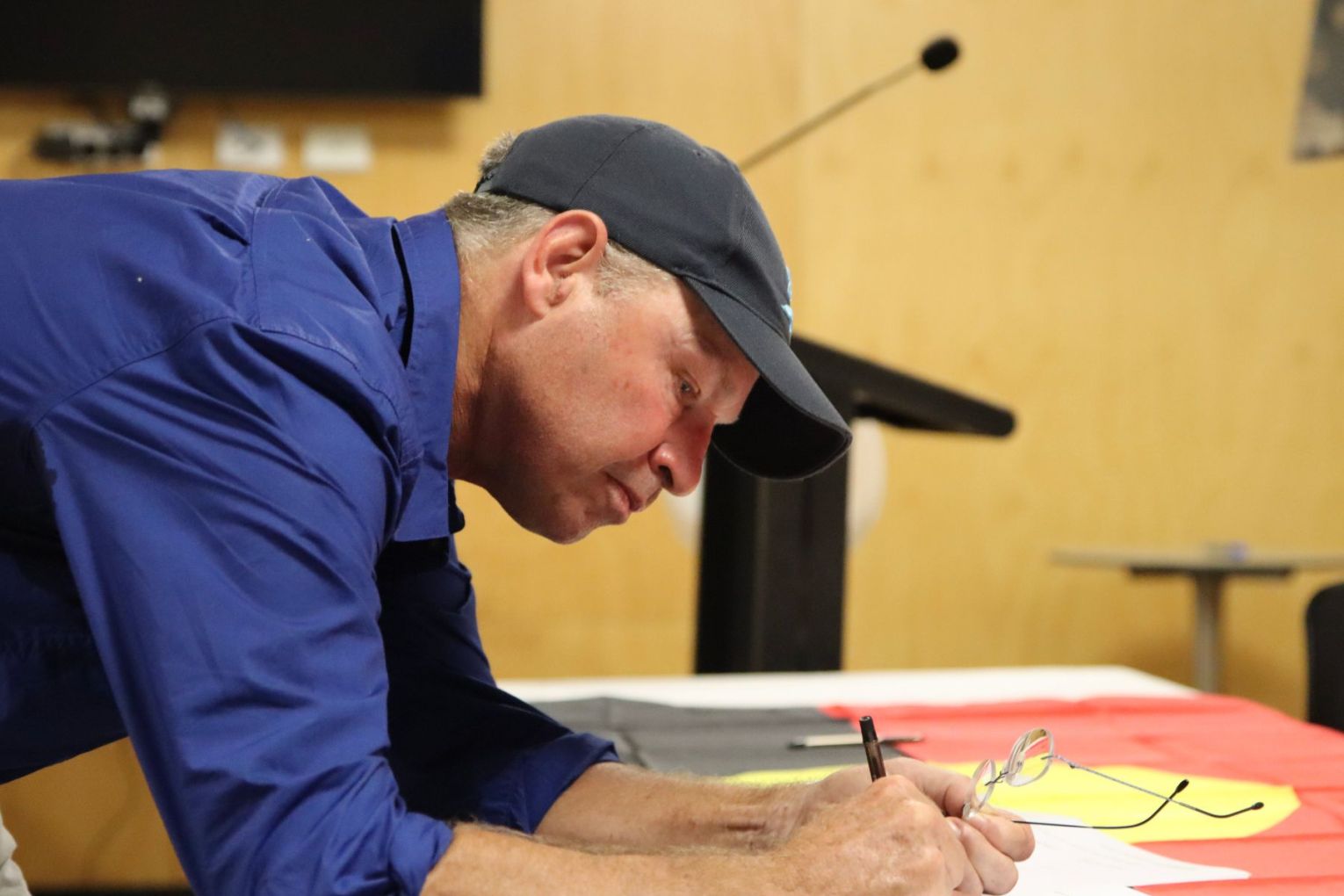
A former economist turned cattle station farmer has signed a historic carbon credits deal to share profits equally with Traditional Owners.
The 25-year agreement between pastoral leaseholder Rory Robertson and the Wik and Way peoples in Cape York ensures a 50/50 split of the clean energy scheme.
The economic benefits from the almost 250,000 hectare Strathburn Station, in far north Queensland, could result in a windfall for the native title holders.
Balkanu Cape York Development Corporation executive director Gerhardt Pearson said the co-operation between the native title holders and the cattle farmer was a first to be celebrated.
“We’re not aware of any pastoralist in Australia who has come forward like Rory has and offered a 50/50 share,” he said.


Traditional Owner Shiquea Creek said the agreement could result in financial freedoms and pride for her people, with the carbon market in Australia worth $60 to $150 million annually.
“I’m doing (signing) it because of my grandmother, to make her feel proud and I know she’ll be proud of this day right now,” she said at the signing ceremony.
Robertson, a former Westpac and Macquarie Bank economist, describes the property as one of the most biodiverse non-coastal properties in Queensland featuring wetlands, wilderness and wildlife.
“If even just a few Aboriginal youngsters in remote northern Australia get a decent leg up over the next 25 years as a result of me doing a fair deal around carbon with Strathburn’s Traditional Owners, I’ll chalk it up as one of the few big victories in my life,” Robertson said.
The carbon credit scheme incentivises effective fire management, based on traditional knowledge and burning practices of First Nations people, across vast areas of savanna in northern Australia.
These involve early dry-season burning to reduce the extent and intensity of late dry-season fires to reduce emissions and increase sequestration of carbon in biomass.
Stay informed, daily
Carbon credits are tradeable certificates that reduce emissions or store carbon through climate-friendly projects such as reforestation.
Projects earn one carbon credit for every tonne of carbon dioxide stored or reduced that can be sold back to the federal government or businesses needing to offset their emissions.
The revenue from the sale of the carbon credits obtained enables Traditional Owners to support their landholding obligations as well as cultural and environmental aspirations for the property.
-with AAP
Want to see more stories from InDaily Qld in your Google search results?
- Click here to set InDaily Qld as a preferred source.
- Tick the box next to "InDaily Qld". That's it.