‘Grim’ reason Brisbane teen got to attend Year 12 formal
A Brisbane teenager, who had been living in a cloud of uncertainty, has just attended his Year 12 formal because of “someone’s worst day”.
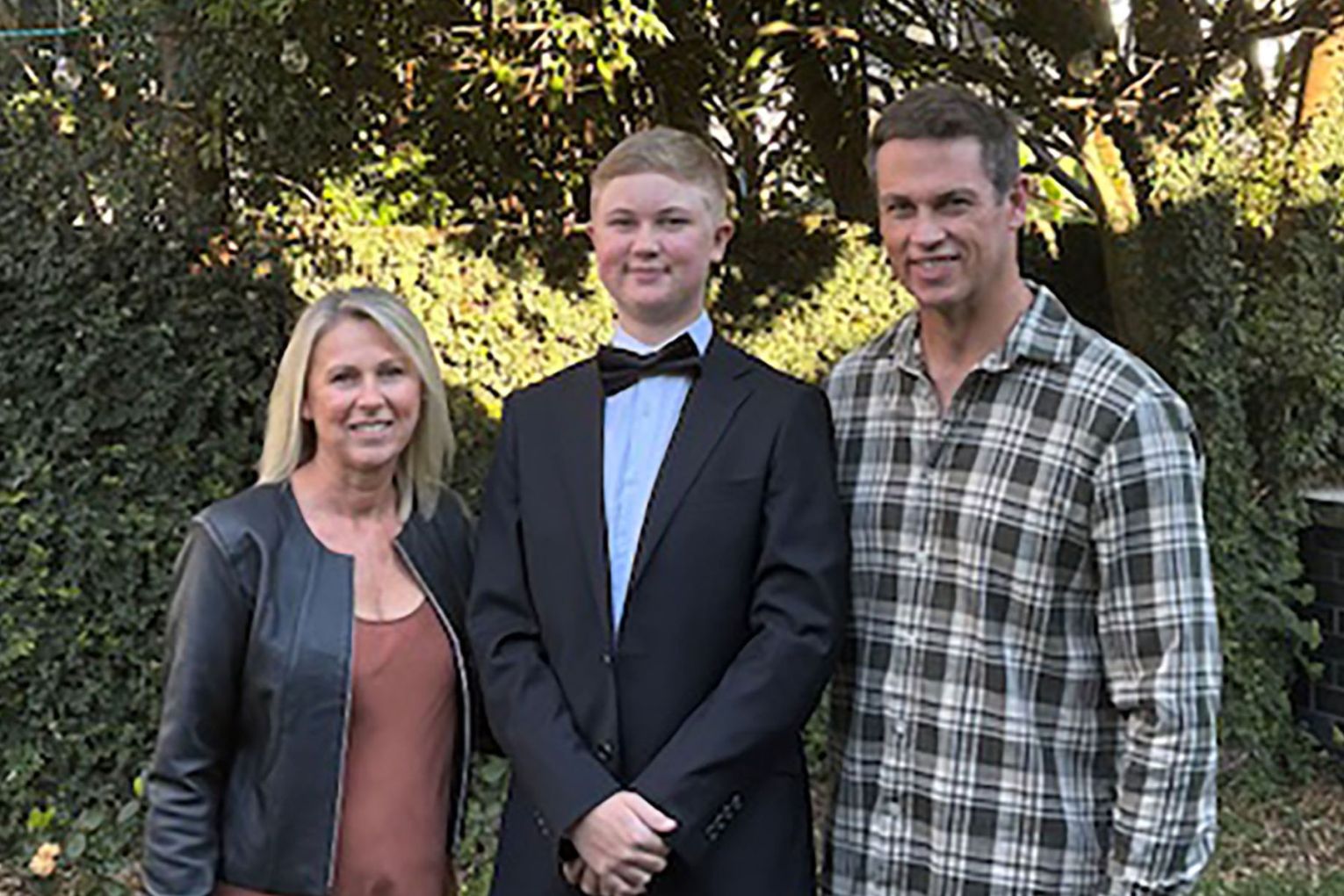
This time last year, Matthew Larman was watching life from the sidelines.
The Brisbane teenager couldn’t play rugby with his mates and had to be careful about social activities.
He was living with the uncertainty of a failing liver while waiting for a transplant.
Now, eight months after receiving a donor liver, the 17-year-old is back on the field, has just attended his Year 12 formal and is preparing to finish school and step into adulthood feeling healthy for the first time in years.
“You’re so cautious about certain things before transplant,” Matthew says.
“Now having that go-ahead to play rugby gives you a little bit of confidence back.”
His story, and others like his, are the reason DonateLife Week is focusing on children and young people, with advocates urging more Australians to register as organ and tissue donors and discuss it with their families.
For Matthew, that decision changed everything.
He still thinks about the anonymous donor whose liver now keeps him alive.
“Someone’s worst day can be your best day,” he says.
“It’s quite grim to think about at first but at the end of the day they’ve saved your life. There’s no amount of gratitude you can really repay them with.”
You might like

His journey began with what seemed like a childhood accident.
At just nine years old, Matthew broke his arm twice in one month after being pushed off a playground fort.
Abnormal liver readings discovered during his treatment prompted further investigations, eventually leading to a diagnosis of the rare chronic liver disease Primary Sclerosing Cholangitis.
Over the next seven years he endured hospital admissions, blood tests, colonoscopies and multiple surgeries for broken bones caused by low bone density linked to the disease.
In January 2025 he was placed on the liver transplant waiting list.
Then, in November, the call came.
Matthew’s mother Kylie had just come home from work and was chatting to a friend on the phone when he ran downstairs saying an organ was available.
“I thought he was joking,” Ms Larman says.
“Then it was panic stations and the nurses called us to say, ‘Come in, we have an organ.'”
Matthew underwent an eight-hour transplant operation the next morning.
Despite a few complications and a lengthy virus over Christmas, the difference was immediate.
“The day after the transplant you could actually see the jaundice leaving his body,” Larman says.
Since recovering, Matthew has gained 20 kilograms and returned to rugby – a milestone that fills him with excitement, and his mother with anxiety.
“Mum’s a little stressed about it,” he says with a laugh.
His friends have also had plenty of questions.
“As soon as I got it they were all asking, ‘Can you drink now?'” he says.
Stay informed, daily
But Matthew is circumspect about looking after his new liver: “I might keep the warranty on it.”
Crucially, the transplant also allowed him to attend his formal without the cloud of uncertainty that hung over him the previous year.
“Last year we held off buying his suit until the last minute because we didn’t know if the call would come,” Larman says.
“This year we actually had time to plan.”
As he approaches his 18th birthday, Matthew is looking beyond hospitals and waiting lists.
“I’ve got a lot more energy now,” he says. “It’s changed a lot. I get to do a lot more things.”
For Larman, the relief is immense.
“We put our life on hold waiting for that call,” she says.
“To see him playing rugby, going to his formal and getting ready for adulthood – it means everything.”
Only eight per cent of Australians aged 16 to 24 are registered organ and tissue donors, compared with 35 per cent of Australians aged 16 and over nationally.
About 1800 people remain on Australia’s transplant waiting list.
Paediatric donation specialist nurse Mel Short, says when she meets parents whose children are dying, one of the first things she asks is for them to tell her about their child.
“These stories come to the forefront after they say yes,” Short says.
“Families tell me about how their child befriended another kid who was being bullied at school or how they were always helping other people.
“These kids were helping people while they were alive and this allows them to keep helping people.
“To say yes on the worst day of their life is so incredible. It’s such a selfless gift.”
She said families were often comforted by knowing their loved one could live on through someone else.
“I genuinely feel like I’m offering families this tiny little fairy dust of hope,” she says.
“They’re not dying to become organ donors. They’re dying. They get to become an organ donor.”
DonateLife Week runs from July 26 to August 2.
Want to see more stories from InDaily Qld in your Google search results?
- Click here to set InDaily Qld as a preferred source.
- Tick the box next to "InDaily Qld". That's it.