Call for more housing as tough rental figures released
The Real Estate Institute of Queensland is calling for more housing supply as the rental situation in the state remains tight.
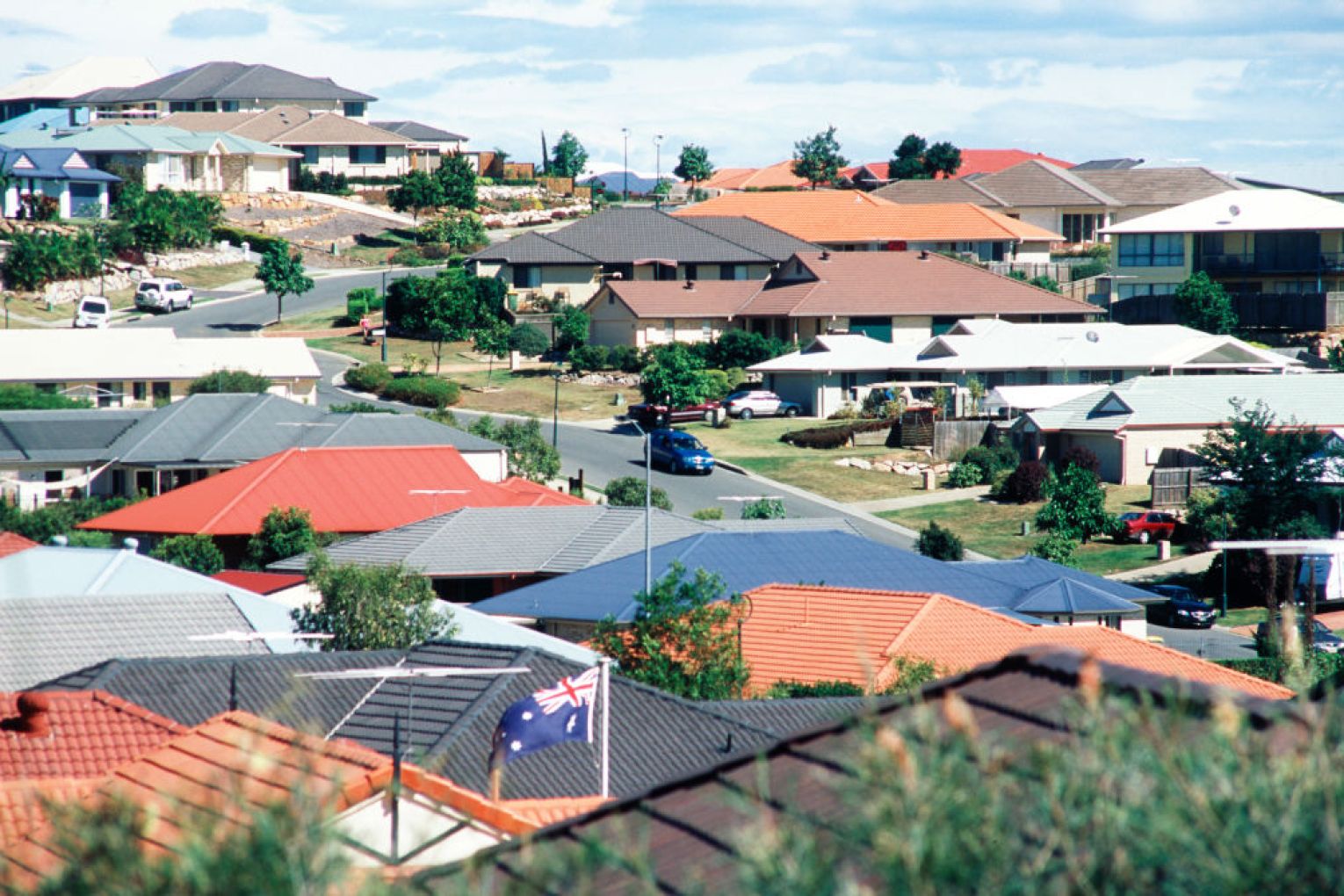
According to the latest report by the Real Estate Institute of Queensland (REIQ), Queensland’s rental market remains tight overall, but more than half of the state’s regions have seen an increase in vacancies over the last quarter.
REIQ CEO Antonia Mercorella said while the vacancy rate data showed more availability in the Wide Bay Burnett this quarter, the market remained far from balanced.
“We’re seeing more regions relax than tighten, particularly across parts of regional Queensland, but we’re still a long way from what anyone would call a healthy rental market,” she said, adding that there was a statewide vacancy rate of one per cent, which is below REIQ’s health range of 2.6 to 3.5 per cent.
“We’re hearing reports of more break leases, more tenants trading down to cheaper accommodation, and some higher-priced rentals taking longer to secure a tenant – suggesting that affordability is influencing behaviour.

“Rental markets in these regions could be gradually rebalancing, as new housing comes online with a promising upward trend in the number of building approvals and migration levels continuing to rise but at a slower pace.”
REIQ’s Residential Vacancy Rate Report for the June 2026 Quarter found that 27 of the 50 regions tracked recorded a rise in vacancies this quarter, compared to 13 that tightened and 10 that remained unchanged.
Despite these improvements, according to REIQ, rental availability is constrained across much of Queensland, with 29 regions reporting vacancy rates of one per cent or less and only six regions recording vacancy rates above two per cent.
Mercorella said local real estate agents are reporting that the completion of major construction projects bringing temporary workers to a region could be playing a role.
She said many property owners were “feeling the squeeze too” with higher mortgage repayments, insurance, maintenance and compliance costs hurting the wallet.
Stay informed, daily
“Property managers are reporting that some owners are becoming more reluctant to undertake non-essential maintenance and upgrades because they’re finding it harder to absorb the cost. That’s a sign of strain throughout the housing system, not just among tenants,” she said.
Mercorella said the longer-term outlook of Queensland’s rental market would depend heavily on housing supply and investment settings, saying the state would not see the “full impact” of recent Federal Budget taxation reforms for some time.
“When we rely so heavily on private investors to house Queenslanders, any policy that discourages investment ultimately has implications for renters too,” she said, adding that the answer was to increase housing supply, with 41,298 people registered for social housing in Queensland.
“Ultimately, there is only one sustainable solution to housing affordability and rental pressures in Queensland, and that’s more housing supply,” she said.
Want to see more stories from InDaily Qld in your Google search results?
- Click here to set InDaily Qld as a preferred source.
- Tick the box next to "InDaily Qld". That's it.