‘First step in fixing broken system’: State Govt announces Child Safety Inquiry response
The State Government has released its response to the Child Safety Commission of Inquiry, vowing to push ahead with key reforms to findings of alarming levels of harm experienced by children in care.
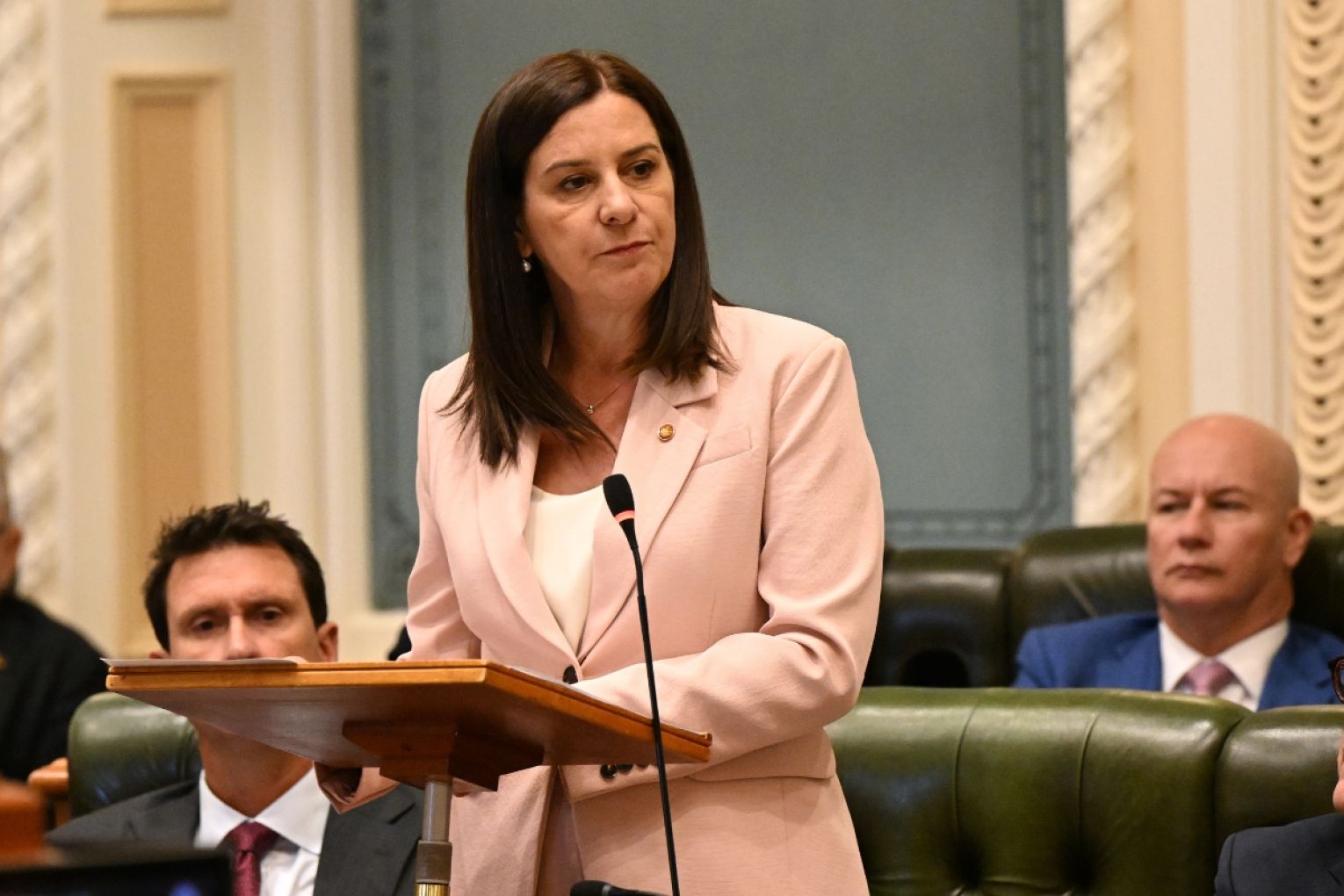
The Queensland Government announced today it would accept 32 recommendations in full, plus a further 16 in principle, made in the Child Safety Commission of Inquiry.
The government also noted two recommendations, and identified another two for further consideration, after the Inquiry exposed systemic failures that emerged in recent years, including a rise in the use of residential care and alarming levels of harm and sexual abuse experienced by children in care.
The Inquiry also found repeated warnings to the Department dating back to 2020, saying these were ignored and allowed for serious issues to worsen and vulnerable children to be left at risk and returned to dangerous situations where they were being exposed to sexual abuse.
Today’s state government response included five key areas of focus, including restoring the “best interest of the child” as the paramount consideration in decisions and delivering early intervention and addressing the root causes of harm.
Other key areas included establishing pathways to stable relationships and permanent homes, streamlining child litigation proceedings and the role of the courts to protect children and delivering a fit for purpose legislative framework.
You might like


The government’s response is backed by an additional $200 million investment outlined in the 2026-27 State Budget, with the reforms to be implemented across the coming two and a half years.
Child Safety and the Prevention of Domestic and Family Violence Minister Amanda Camm said the announcement today was the first step in what would be a challenging process to fix a broken system.
“We can never promise the realities of cases we’re dealing with won’t continue to be challenging, but they are challenges we must rise to,” Camm said.
She added that action will be taken immediately through to delivery timeframes of ongoing, three, six, twelve, eighteen and thirty months.
The government’s response agenda included key reforms including prioritising adoption and foster care with a focus on boosting adoption rate and reducing the number of children in Residential Care.
Stay informed, daily
Key reforms include:
- Putting the safety of children first, ensuring every decision made by the Department and the Court is in the best interest of the child.
- Prioritising adoption and foster care for stable and permanent homes for children who can’t live safely with their parents, with a focus on boosting the adoption rate and reducing the number of children in Residential Care.
- Delivering the promised 20 per cent uplift in child safety officers to properly support vulnerable children.
- Piloting professional foster care for children with complex needs to ensure they receive the support they need.
- Using the newly-established Child Safety Cabinet Committee to oversee legislative reform to ensure the changes are reflected in Queensland law.
- Providing better support for foster carers and kinship carers to encourage more permanent and stable care options.
- Bringing SecureCare online to provide a care option for young people who are a danger to themselves and to the community.
- Delivering Residential Care Repair, with dual carers, greater supervision and care, and removing children under five.
Child safety Corporate Data reveals that as of March 31 2026, 2,819 children were in Residential Care.
Queensland Foster and Kinship Care chief executive officer Bryan Smith said the Commission of Inquiry made it clear that Queensland must reduce its reliance on residential care and rebuild a system centred on family-based care.
“I am pleased to see the government’s response focuses on strengthening pathways into foster and kinship care, improving assessment processes to attract more carers, and ensuring more vulnerable children can grow up in safe, stable family environments where they have the best opportunity to thrive,” he said.
Attorney-General Deb Frecklington said keeping children safe must always be the highest priority.
“The Commission of Inquiry made it clear that too many children were failed by Labor’s broken child safety system, with vulnerable Queenslanders let down when they needed protection most,” the Attorney-General said.
Queensland Aboriginal and Torres Strait Islander Child Protection Peak Chief Executive Officer Phil Brooks said his organisation welcomed reforms that strengthen the authority of Aboriginal and Torres Strait Islander Community-Controlled Organisations to support families, addressing challenges early and creating the conditions for children to thrive safely at home, wherever possible.
“We look forward to working in partnership with government to implement these reforms and uphold the Aboriginal and Torres Strait Islander Child Placement Principle, which retain culturally-safe decision-making and better outcomes for our children,” he said.
Want to see more stories from InDaily Qld in your Google search results?
- Click here to set InDaily Qld as a preferred source.
- Tick the box next to "InDaily Qld". That's it.