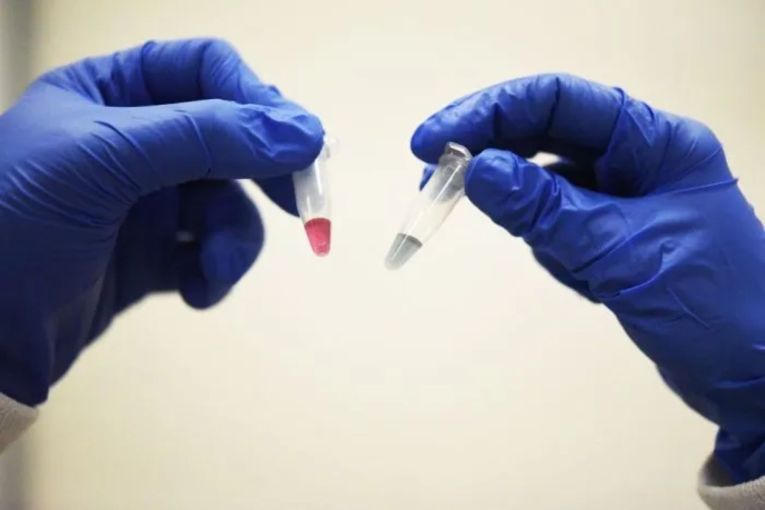
Aussie scientists to abandon research station over ‘psychosocial risks’
A mission to extract staff from a sub-Antarctic research station with an icebreaking vessel is being launched on a remote island.
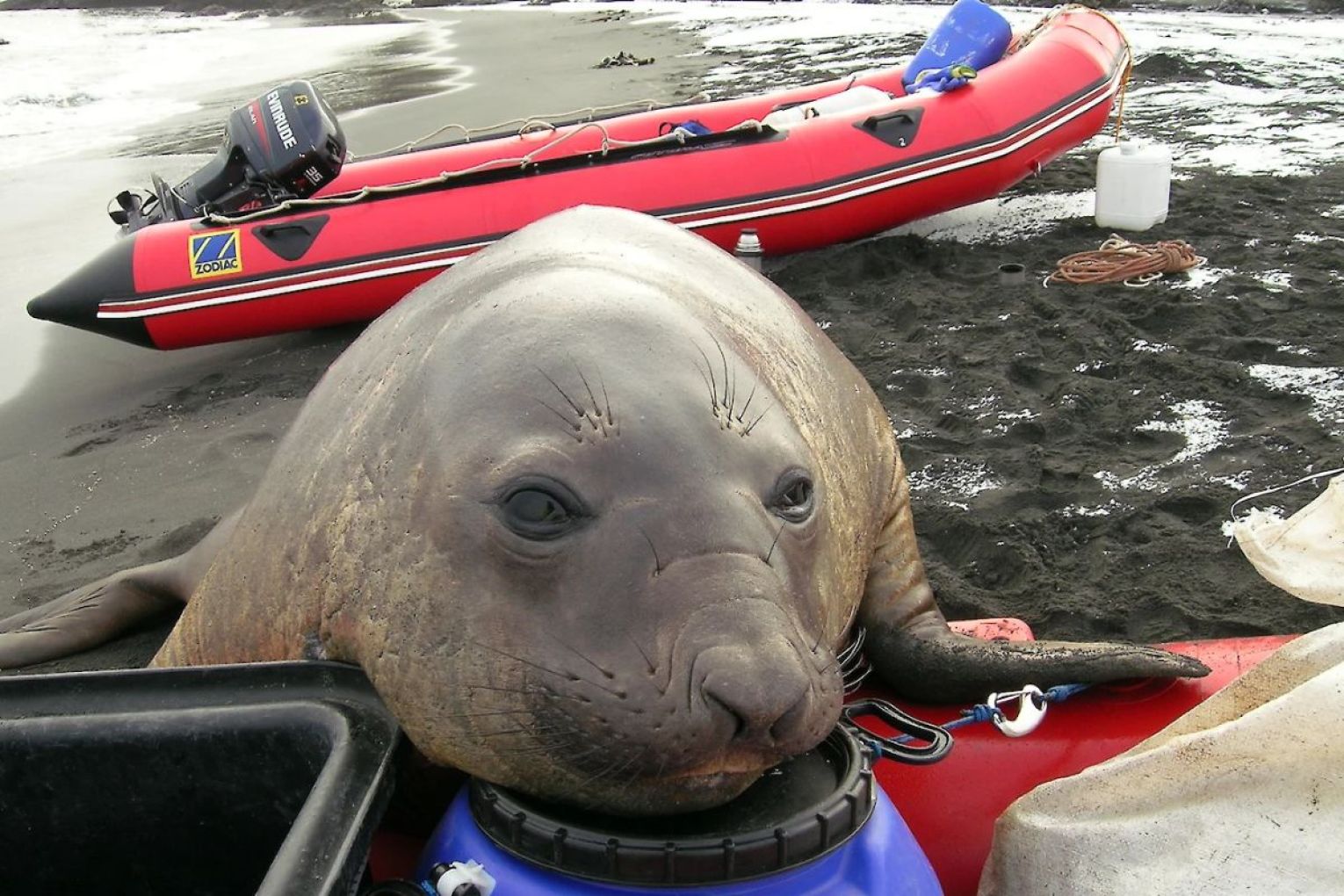
Australia’s Antarctic Division is launching a mission to extract staff from the Macquarie Island research station due to the “psychosocial risk” posed by a potential bird flu outbreak.
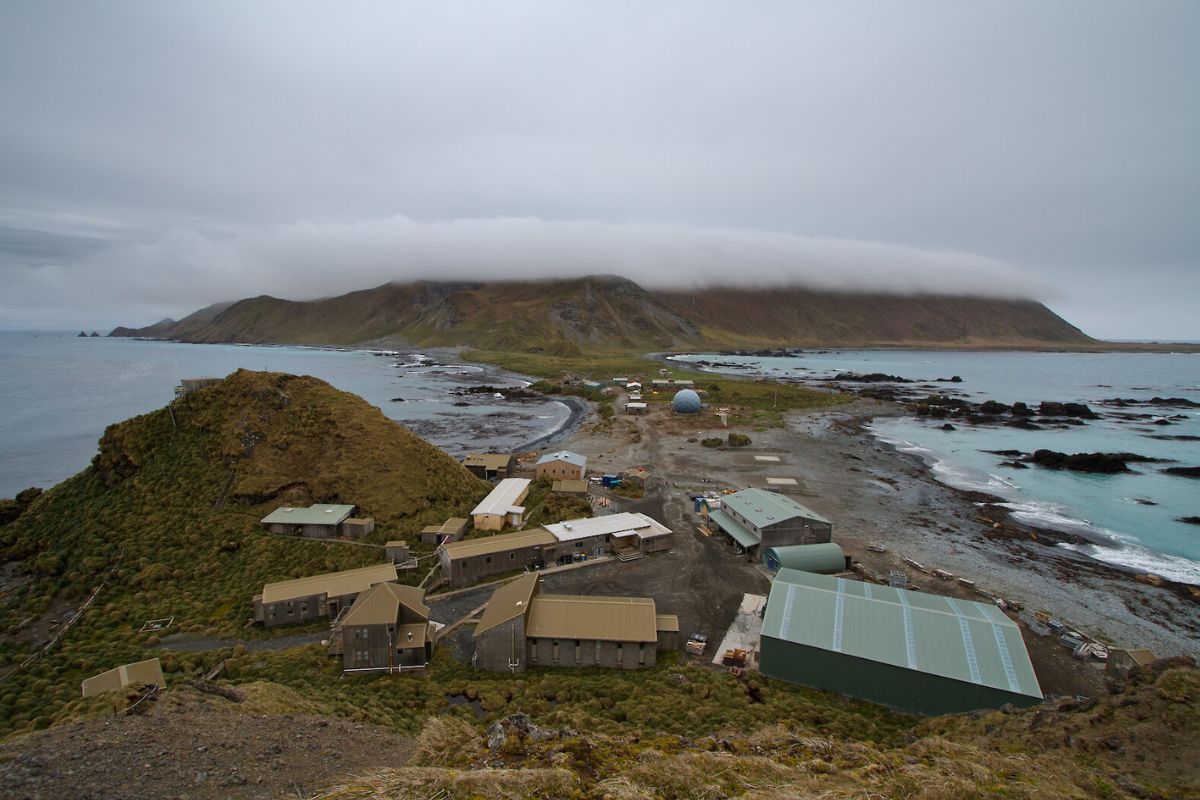
The sub-Antarctic Island was established on the Southern Ocean island about 1,500km south-east of Tasmania in 1948 and the World Heritage-listed wildlife sanctuary is currently home to around four million seabirds and 100,000 seals.
While the island is currently free of the H5 bird flu strain it is home to large elephant seal populations close to station buildings – and expert assessments predict a high likelihood of a “significant mortality event during the upcoming breeding season”.
The station is currently home to 24 expeditioners. South Australian wildlife biologist Dr Sarah-Lena Reinhold has worked on site and on July 30 posted an update about the team searching for and marking grey petrels.
InDaily contacted the Australian Antarctic Division asking if Reinhold and other South Australian researchers were stationed on the Island but was told details of the expeditioners would not be released.
You might like


“This is an unusual measure, but is the most appropriate course of action, based on our assessments of risk, and operational realities,” Climate Change, Energy, the Environment and Water Department deputy secretary Sean Sullivan said.
“While the risk to humans of H5 bird flu is considered low, we can’t ignore the psychosocial risks of living near potentially large numbers of affected animals.
“Our expeditioners already live and work in one of the world’s most remote and challenging environments. It is important that we minimise any additional risks that could affect the wellbeing of our people and the safe operation of our stations.”
They are set to be retrieved by Australia’s icebreaking research and supply vessel, RSV Nuyina, which will travel to the island in early October, shortly before the peak of the seal breeding season.
Stay informed, daily
Elephant seals have proved particularly susceptible to H5 bird flu, with pup mortality rates of more than 90 per cent discovered in some colonies in the sub-Antarctic external territory of Heard Island and McDonald Islands.
A department statement said the “the health, safety and wellbeing of expeditioners is the highest priority for the Australian Antarctic Division, making their withdrawal from Macquarie Island a necessary precaution”.
“Sending a ship to extract our staff from Macquarie Island is a significant undertaking,” the statement said.
“An unplanned evacuation could take months or disrupt all our other stations. This is why we are taking a planned and deliberate approach ahead of a wildlife mortality event. ”
But Sullivan hoped to see Australian researchers return to the island.
“The Australian Antarctic Division is exploring options for monitoring the situation on Macquarie Island, with a view to returning expeditioners to the station in coming seasons,” he said.
“We remain committed to maintaining a long-term presence on Macquarie Island.”
Want to see more stories from InDaily Qld in your Google search results?
- Click here to set InDaily Qld as a preferred source.
- Tick the box next to "InDaily Qld". That's it.