Why King George Square should be Brisbane’s living room
As Brisbane City Council scouts private redevelopment proposals for an inner city site, a Brisbane landscape architect tells why it should be a shared backyard.
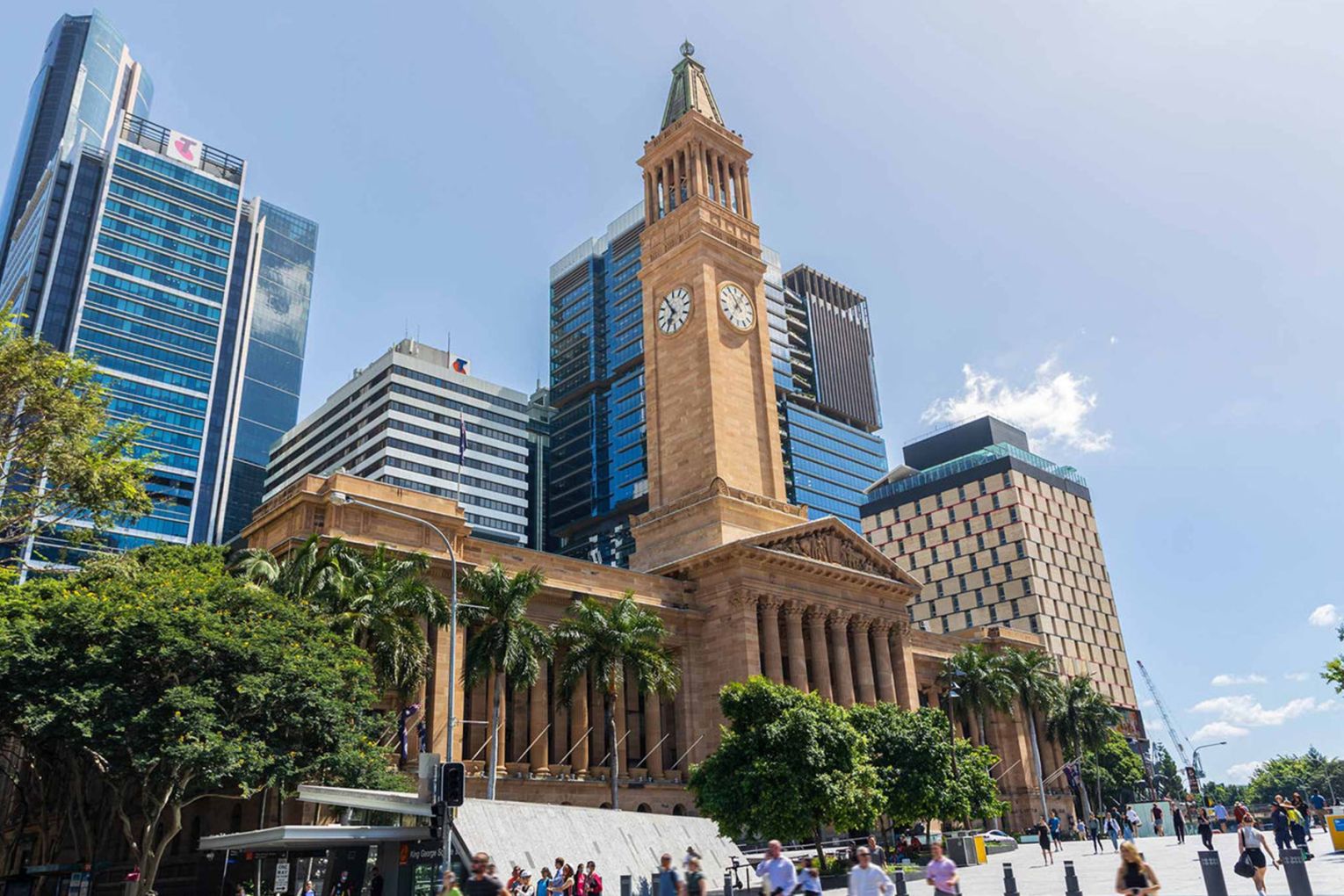
Last Friday, the Brisbane City Council launched a tender process inviting commercial operators to submit their ideas for redeveloping King George Square.
With the Pig ‘N’ Whistle pub lease expiring at the end of this year, the inner-city public square now poses a blank canvas for development ahead of the 2032 Olympic Games.
City Council’s tender launch has drawn some community criticism for commercialising a public space without community consultation.
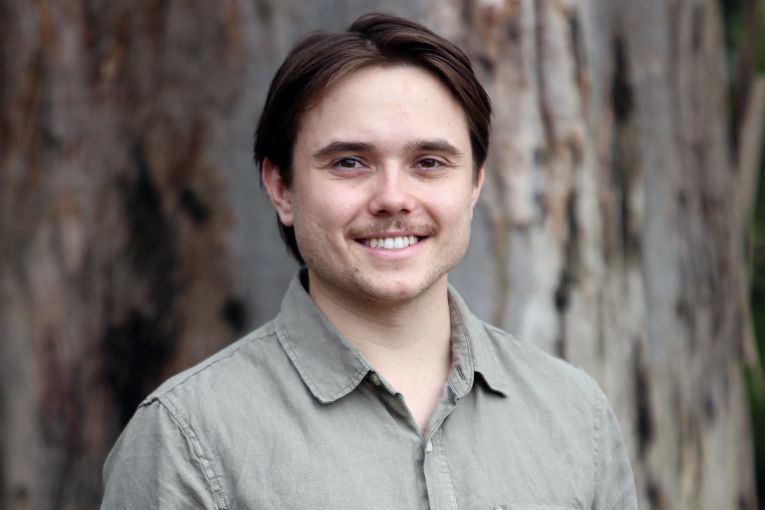
- Callum Simpson, Brisbane landscape architect | Credit: image supplied
InDaily spoke with Brisbane-based landscape architect Callum Simpson about what he thinks Brisbane is missing when it comes to the iconic site’s redevelopment.
You might like

Simpson clarifies that the debate shouldn’t be framed simply as development versus no development, but that the bigger question is what we want one of Brisbane’s most important public spaces to achieve over the next 20 to 40 years.
“Community consultation should play a central role in shaping that vision for the site,” Simpson says.
“We should begin with the outcomes. Do we want a civic space that remains flexible for major events, but is also comfortable on an ordinary summer day? Do we want people to move through or choose to stay?”
He adds that while private development isn’t inherently a bad thing, the important distinction is between commercial involvement contributing to a better public space and commercial interest determining what that public space becomes.
“King George Square is a major civic space, not simply a development site. Any future vision should be shaped by clear public briefs, meaningful community consultation and a real long-term measure of success based on how well the space serves Brisbane as a whole.”
Building on the notion that the best projects create economic value because they are useful, welcoming and well-loved by the community, Simpson draws on South Bank as a positive example of nature playing an integral role in design.
“Look at the trees, the gardens and the relationship with the river and the comfort that contributes to and gives people access to nature in the heart of the city,” he says.
Stay informed, daily
When thinking about Brisbane’s growing densification, Simpson has a few considerations in mind for a King George Square redevelopment.
“The public realm increasingly becomes a shared backyard that you want people to enjoy experiencing and being in… So from a design and environmental perspective, trees and vegetation provide shade, reduce heat exposure, intercept rainfall, create habitats and help public spaces remain usable in changing climates.”
He adds that in a subtropical city like Brisbane, it’s important for the existing landscape to be at the forefront of infrastructure design, rather than be an afterthought.
Simpson reflects that his experience as a landscape architect and QUT graduate has changed the way he looks at the city he grew up in.
“I notice where shade falls and where people choose to sit, how water moves after rain and in flood events and which landscapes support wildlife and why some places invite you to stay while others may just keep moving, particularly hot points of the year.”
He says it’s taught him about the integral and interconnected relationships between people, buildings, streets, soil, water and vegetation that most people may not consciously notice.
“Good design begins by understanding those relationships rather than imposing a predetermined solution,” Simpson said. “My time studying landscape architecture at QUT gave me that language and tools to understand those relationships.”
Simpson explains that, in a perfect world, King George Square’s redevelopment would begin with community consultation.
“I would also recommend a generous permanent tree canopy, deep soil where possible, comfortable seating, water sensitive design, flexible open spaces that allow for multi-programming so that different events can take part in the square at different times of the year.”
He also adds that Brisbane’s culture and the deeper stories of the place would also play a part in his redesign through genuine engagement, and that the landscape should be treated as long-term infrastructure.
“It obviously needs to host major events, especially with the Olympics and other hot-topic items coming up, but we should also look at how it works on an ordinary Tuesday afternoon, when someone wants somewhere comfortable to sit, meet a friend, or just finish work for the day and they just need some time to decompress.”
“Brisbane is a subtropical city, and we shouldn’t have to wait until Christmas to see a tree in one of our most important public spaces.”
Want to see more stories from InDaily Qld in your Google search results?
- Click here to set InDaily Qld as a preferred source.
- Tick the box next to "InDaily Qld". That's it.