Borrowers brace as RBA boss delivers inflation warning
The Middle East conflict and the AI boom mean inflation is likely to stay higher for longer, all but locking in more interest rate pain for borrowers.
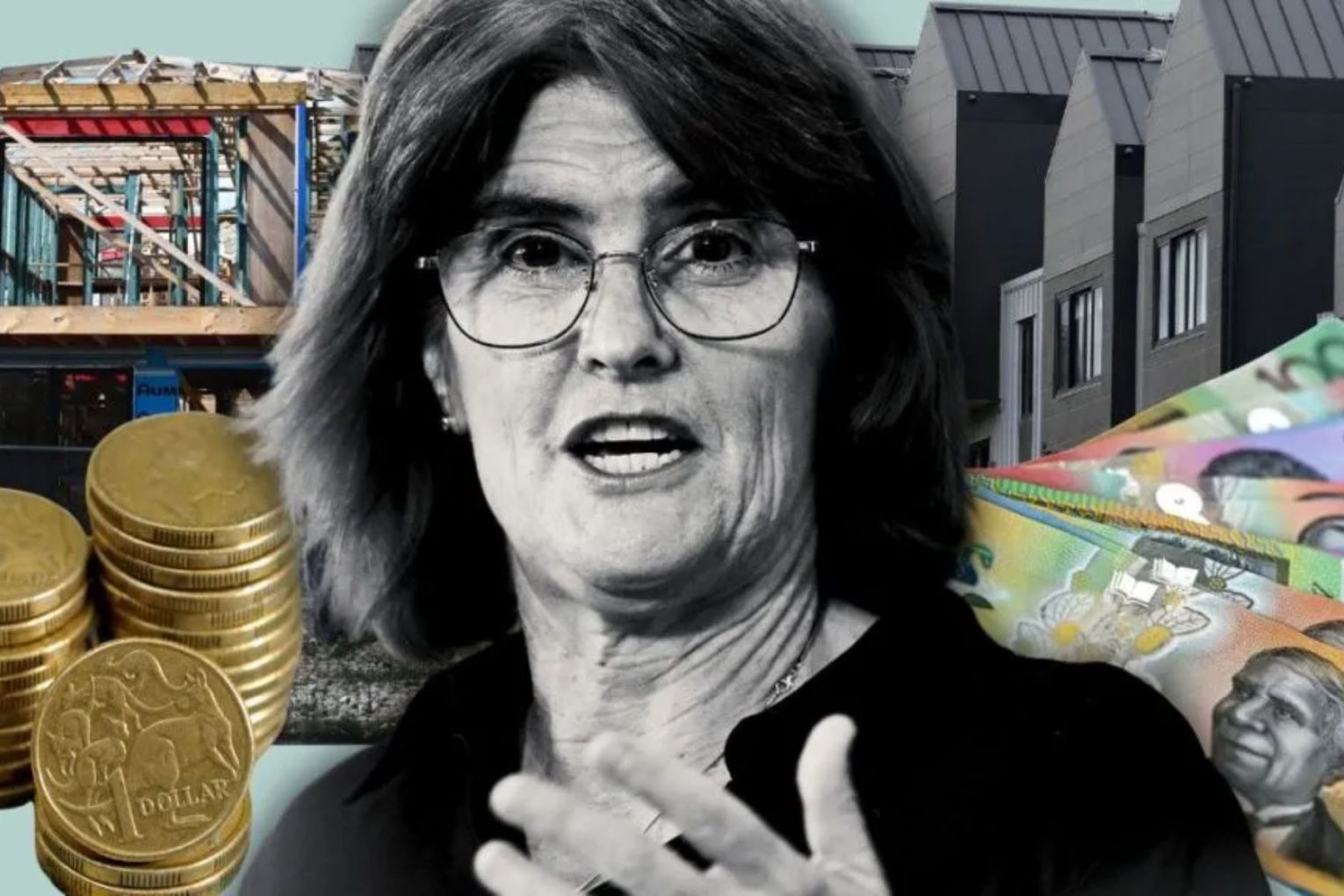
The Reserve Bank’s fears about inflation have materialised, governor Michele Bullock says, which could force it to raise interest rates again.
Her comments during a parliamentary hearing on Friday morning reaffirmed expectations that the central bank would hike rates for a fourth time this year at its upcoming board meeting in late September.
Inflation was too high, but the key question for the RBA at that meeting would be whether the bank’s three rate rises to date were enough to bring inflation back to target in a reasonable time, Bullock said.
At the bank’s last meeting in August, the RBA forecast that inflation would return to the middle of its target range by the end of 2027.
Even that was not assured, with inflation more likely to overshoot the bank’s forecasts than undershoot it.
You might like

If that proved to be the case, more rate hikes might be warranted, the RBA board said at the time.
“Developments since then suggest that, although growth in the Australian economy is slowing, some of these upside risks to inflation appear to be materialising,” Bullock said on Friday.
The Middle East conflict, the AI boom, and extreme weather events have added to pressure on energy, food, and tech prices, she said.
“There is little sign of resolution in the Middle East conflict. Oil and related prices have increased sharply again and will add directly to inflation.”
Stay informed, daily
The benchmark Brent crude price remained above $US104 a barrel, despite a modest sell-off in oil overnight on news that Saudi Arabia plans to bring its East-West pipeline back online in a reduced capacity following attacks by Iran-backed Houthi forces.
But as businesses increasingly saw no end in sight to the war and price increases, they were growing more inclined to pass on costs to consumers, which risked making inflation more persistent, Bullock said.
After inflation came in hotter than expected in July, money markets have raised the chance for a September rate rise above 80 per cent, with two hikes fully priced in by March 2027.
Higher for longer interest rates and fuel prices would hit economic growth, but that has been swamped by the AI boom, which has pushed up demand in a way the RBA did not foresee.
“Just back from the US and in addition to … the upside risk of inflation from the Middle East, what is also very striking is how strong the AI and tech boom is and has been,” said RBA deputy governor Andrew Hauser.
“That’s not just true in the US; it’s true in the Asia Pacific region as well, who are of course our closest trading partners, and our forecasts for global growth have been repeatedly surprised on the upside.”
Given Australia’s productivity malaise, a period of slower growth was needed to bring inflation down, Bullock said.
The nation’s deepening housing downturn would help take some steam out of the economy, but while prices have fallen in most capital cities, they were still about 50 per cent higher than they were in early 2020.
-with AAP
Want to see more stories from InDaily Qld in your Google search results?
- Click here to set InDaily Qld as a preferred source.
- Tick the box next to "InDaily Qld". That's it.