Homegrown vaccine hope for mosquito bite disease threats
A homegrown vaccine against mosquito-borne diseases is a step closer to development for humans.
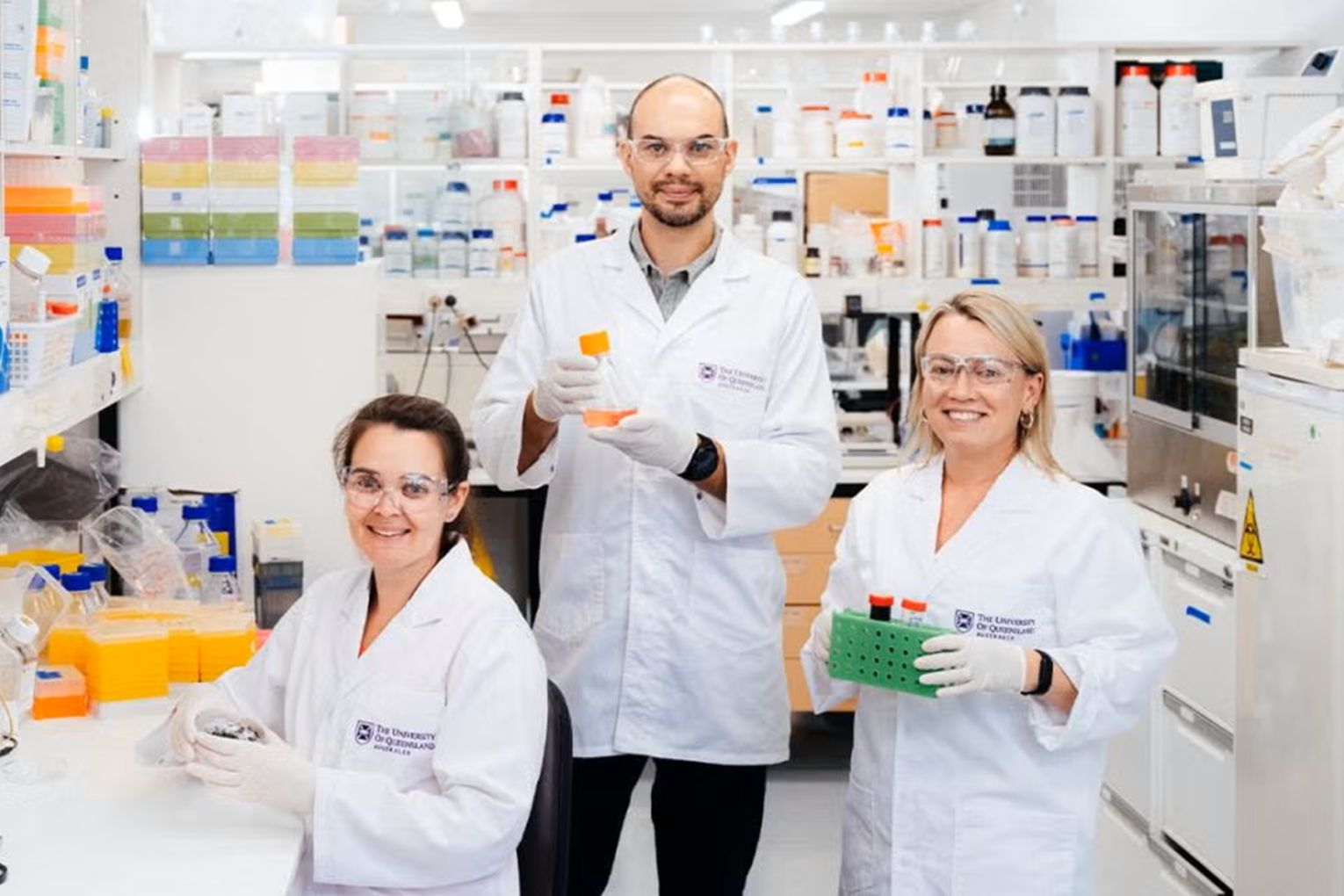
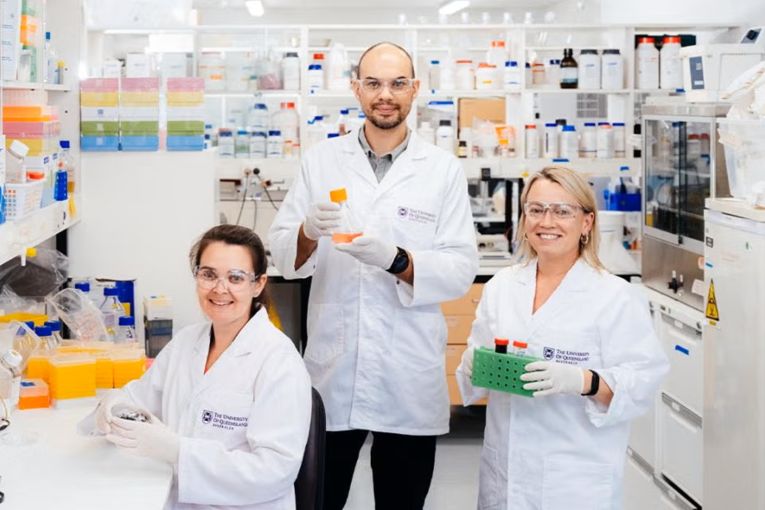
Building on more than decade of work, University of Queensland researchers associate professor Jody Peters, Dr Henry de Malmanche and Dr Jessica Harrison have developed the ISVac platform.
The platform which has been demonstrated in animals, could soon become a ‘plug-and-play’ system to prevent mosquito-borne diseases in humans.
Dr Peters said since her team’s discovery of a mosquito-sepcific virus, they have been able to genetically engineer it to generate virus particles that are non-infectious to humans or animals.
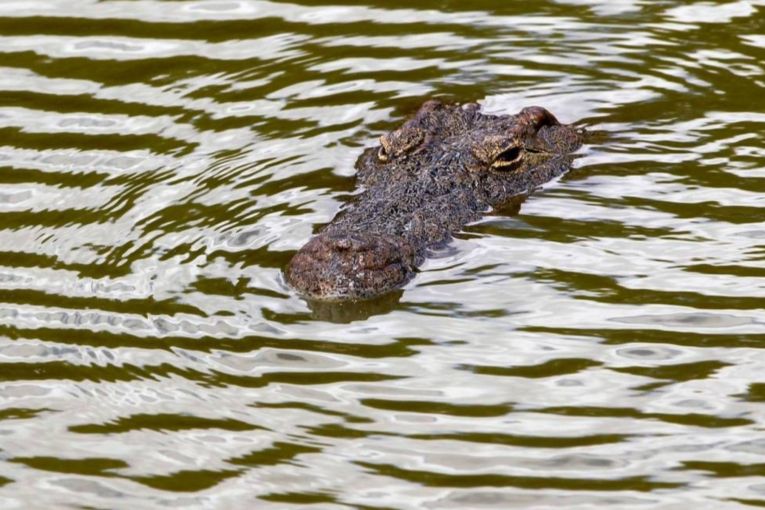
“These particles have been used as vaccines against Japanese encephalitis virus in pigs and West Nile virus in crocodiles,” Dr Peters said.
She added that this next stage is a huge leap forward, as they develop a potential new tool to protect humans against emerging mosquito-borne diseases.
You might like

Proboxis Biotechnology, a startup established iwth support from UQ’s commercialisation company UniQuest, will advance ISVac™ to help bring the platform closer to clinical development.
If successful, the platform could support the development of other vaccines, including dengue, Zika, yellow fever and West Nile virus.
With changing climates causing a mosquito expansion in new regions, Dr Peters says mosquitoes pose a serious and growing public-health threat.
“Japanese encephalitis, which can cause severe neurological illness, lifelong disability and death, wasn’t seen in Australia until 2022,” she said.
Stay informed, daily
“This highlights the need for both continued investment in preparedness, so vaccines can be mobilised quickly, and the development of new vaccine technologies.”
Proboxis Biotechnology has secured $1.5 million in funding through the inaugural round of Biointelect Venturer, with a promising new vaccine candidate for Japanese encephalitis virus already in the works.
Biointelect Venturer is a new national virtual incubator for vaccine and infectious disease innovation and is funded by the Australian Government’s Medical Research Future Fund (MRFF) through the 2024 BioMedTech Incubator Grant Opportunity.
Dr de Malmanche, a biotechnologist, said the innovative approach also had the potential to be highly scalable.
“This funding will support manufacturing development, regulatory readiness and commercial planning to help move the technology towards clinical development,” Dr de Malmanche said.
He added that it also increases Australia’s sovereign capabilities with a homegrown invention that could be manufactured in Austalia to protect the population.
Biointelect CEO Leah Goodman said Biointelect Venturer’s deep expertise in development and commercialisation strategy will support innovators to progress from promising science to investment-ready ventures.
“By combining targeted funding with practical, hands-on support and access to national and international networks, Biointelect Venturer is helping strengthen Australia’s capability to translate infectious disease innovations into products with real public health impact,” Goodman said.
Want to see more stories from InDaily Qld in your Google search results?
- Click here to set InDaily Qld as a preferred source.
- Tick the box next to "InDaily Qld". That's it.