Time for change? Queenslanders prepare to go ‘out of whack’
While the beginning of daylight saving time signals the start of summer for many, in Queensland it often reignites debate over it being adopted in the state.
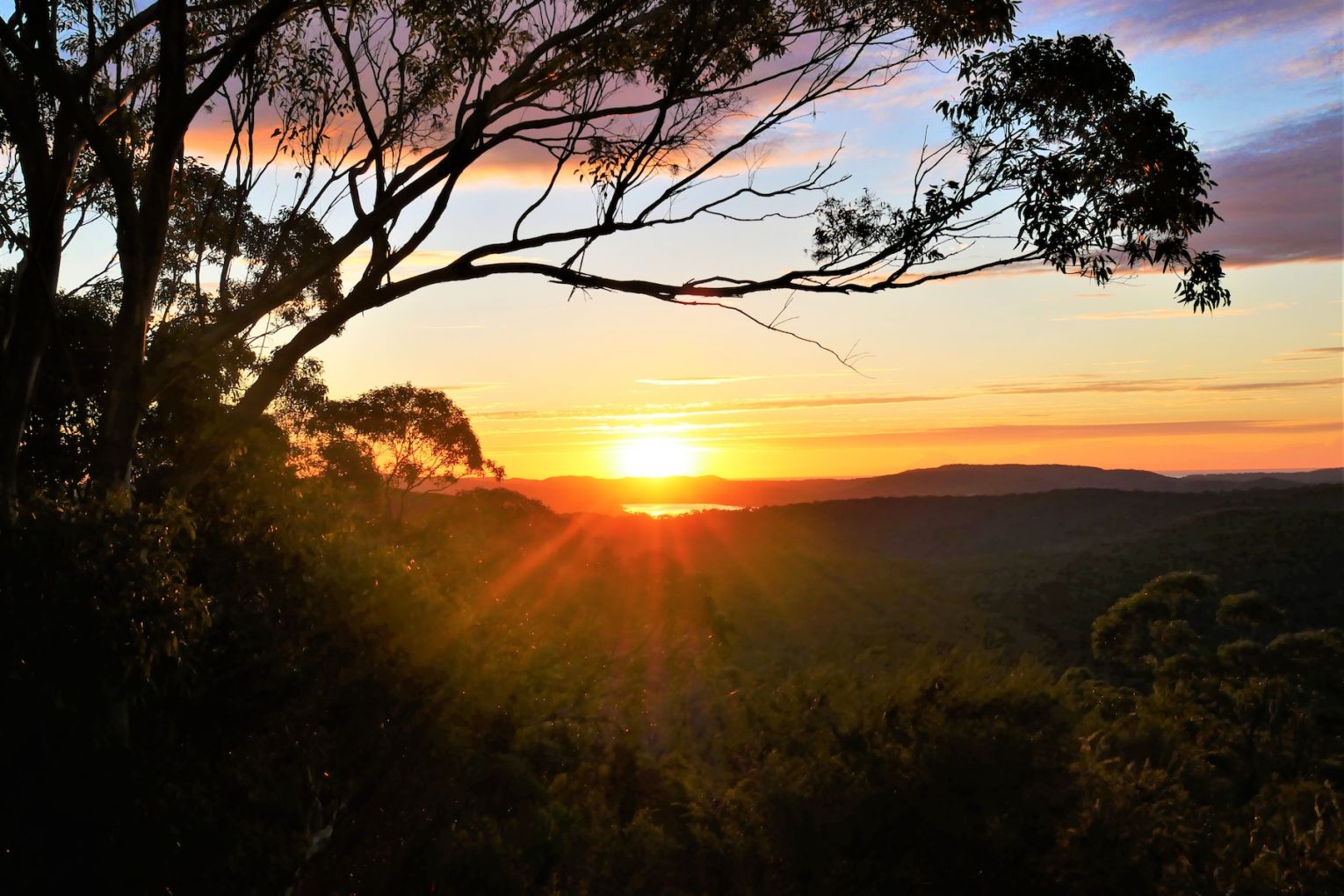
This weekend, millions of Australians will trade an hour of sleep for more sunshine at the end of the day as daylight saving time begins – but not for those living in the sunshine state.
Queenslanders, along with those living in the Northern Territory and Western Australia, do not observe daylight saving.
For those living in the other states and territories, the switch happens on the first Sunday of October at 2am each year.
This year, that’s October 4.
Associate Professor of Human Geography at the Queensland University Thomas Sigler says the change puts Queensland “in misalignment” with the rest of the country.
You might like


“Not being in the same time zone as other states puts Queensland out of whack,” he says.
“Having sunrise at 4am in December, when very few people are awake, is not a useful time of day.
“But having an extra hour of sun at 6pm is useful – because people are still out and about.”
Sigler says for Queenslanders who live within the southeast corner of the state, the impacts are more severe.
Stay informed, daily
“It’s much worse on the Gold Coast,” he says.
“And there are some extremely localised issues for people who commute from Tweed Heads, who travel across time zones daily.”
His comments come as a new study, co-authored by researchers from Melbourne’s Swinburne University, shows changing clocks has “no clear and consistent effect” on serious mental health outcomes.
The international review of 157 prior studies across 36 countries shows no significant link between clock transitions to increased rates of depression, manic episodes, substance abuse, or suicide.
“We reviewed over a decade of epidemiological evidence from around the world,” Swinburne researcher Dr Ben Bullock says.
“While some people may notice effects of the time change, similar to minor jetlag, the evidence suggests it’s not detrimental to mental health.”
Rather, he says winding clocks forward over summer provides more opportunity to boost health outcomes by extracting the “maximum amount of useable daylight for outdoor activities”.
“Our bodies and our brains respond incredibly well to spending more time outside, and the natural light increases our energy for other wellbeing-boosting activities such as hanging out with friends and exercising,” he says.
“Our circadian system has been honed over thousands of generations of evolutionary adaptation to promote activity during the day and inactivity (sleep) at night.”
Want to see more stories from InDaily Qld in your Google search results?
- Click here to set InDaily Qld as a preferred source.
- Tick the box next to "InDaily Qld". That's it.