Andy Ashby on ditching the rulebook, building resilient teams and cooking with curiosity
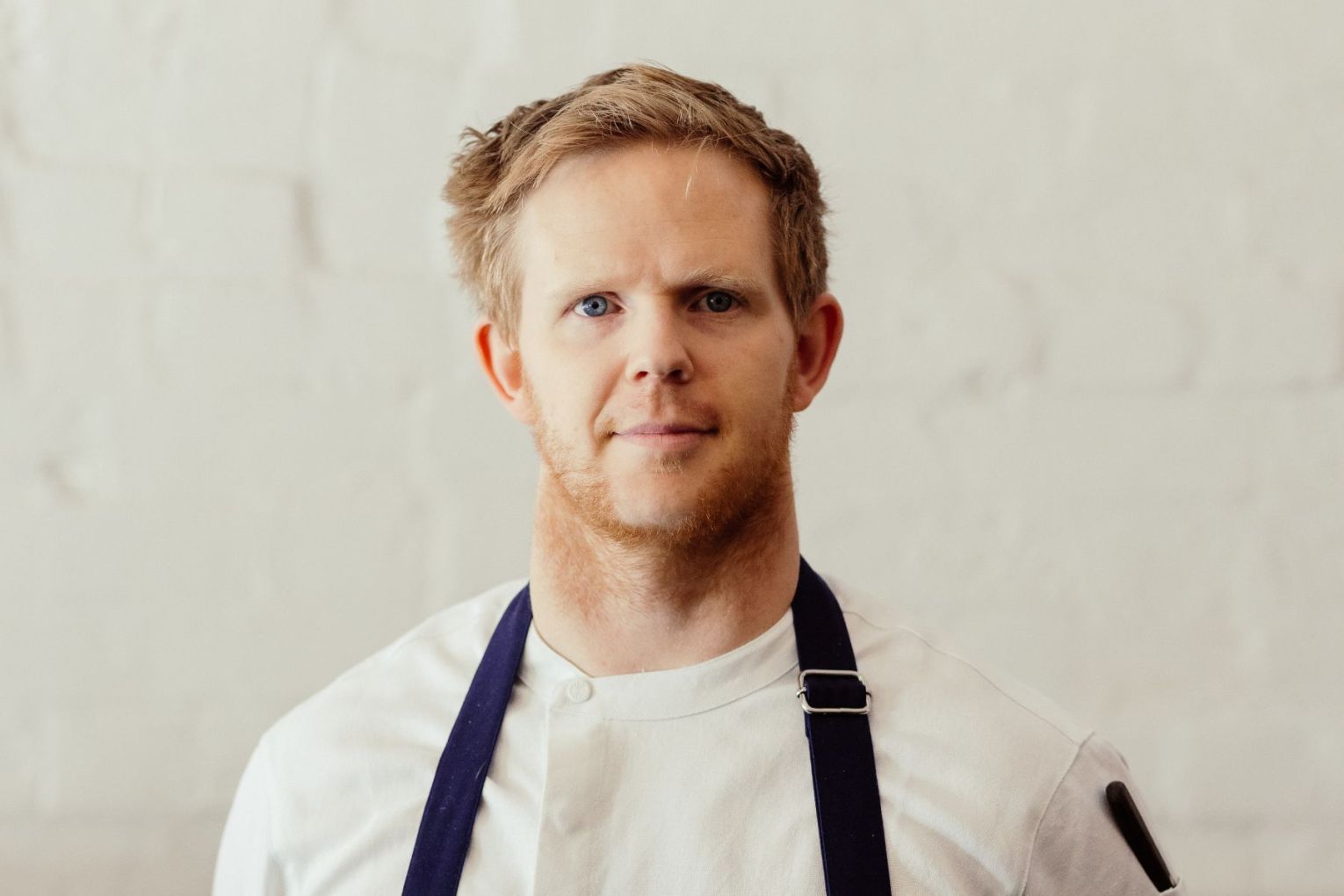
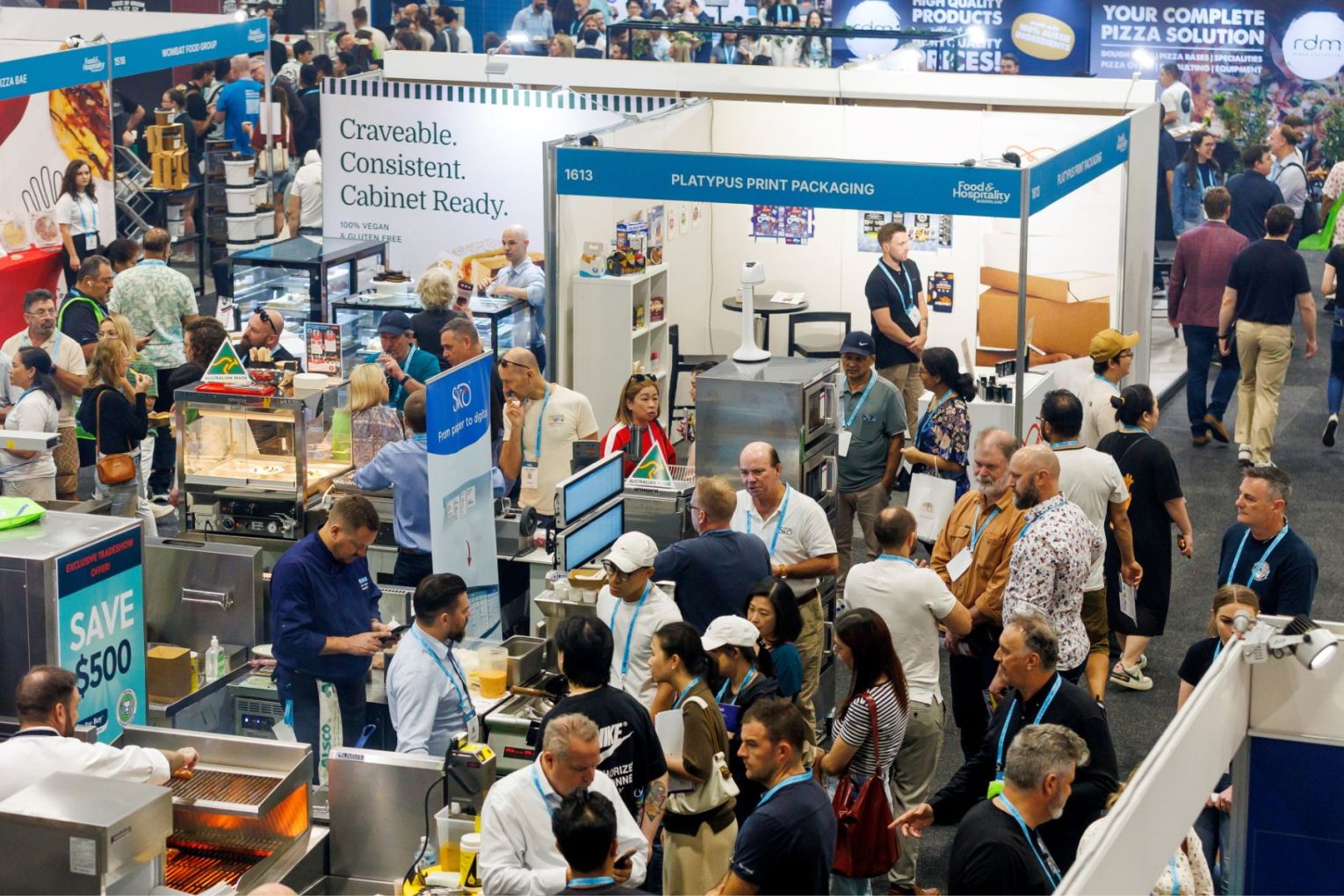
Andy Ashby isn’t afraid of ditching the rules. Drawing on his French-inspired culinary training and work at C’est Bon in Woolloongabba, the chef is constantly testing the limits. We sat down with Andy ahead of his session at Food & Hospitality Queensland to discuss the industry, from building resilient kitchen teams and challenging conventions to mentoring the next generation of chefs.
To start, we’d love to know more about your involvement in the Chef’s Table event and your vision for the live culinary theatre. What can attendees expect from your presentation?
I want it to be a bit different from your traditional chef demonstration. There’ll obviously be cooking, but I want to talk about why we do things the way we do, and whether we actually need to. There’ll be a bit of technique, a bit of storytelling, a few ideas that people can take back to their own kitchens – and hopefully a few moments that make people smile and want to explore more Queensland produce.
Your presentation is called ‘Against the Grain: Rethinking the Rules of the Menu’. What’s one rule in professional kitchens that you think chefs should be questioning more often?
Probably the idea that expensive ingredients automatically make better food. Some of the most interesting dishes can come from the humble stuff – corn, potatoes, leeks, offal and old cuts of meat. As chefs, we sometimes get caught up chasing the next expensive ingredient when there’s actually a lot more creativity in making something incredible from something ordinary. For example, one of our most ordered dishes on our current menu is rose veal and a stuffed pig trotter.
C’est Bon Restaurant in Woolloongabba has developed a distinctive identity by combining French culinary traditions with local Australian produce. What have you learned from running the restaurant about staying true to your food philosophy while also responding to your customers and the realities of the local market?
You have to know what you stand for, but you also have to listen. A restaurant isn’t a museum. C’est Bon has a French foundation, but we’re in Woolloongabba, not Paris, and our customers aren’t looking for a history lesson every time they sit down. For me, it’s about keeping the techniques, the spirit and the generosity of French cooking, but allowing Australian produce, our neighbourhood and the people eating with us to influence where the food goes.
You might like
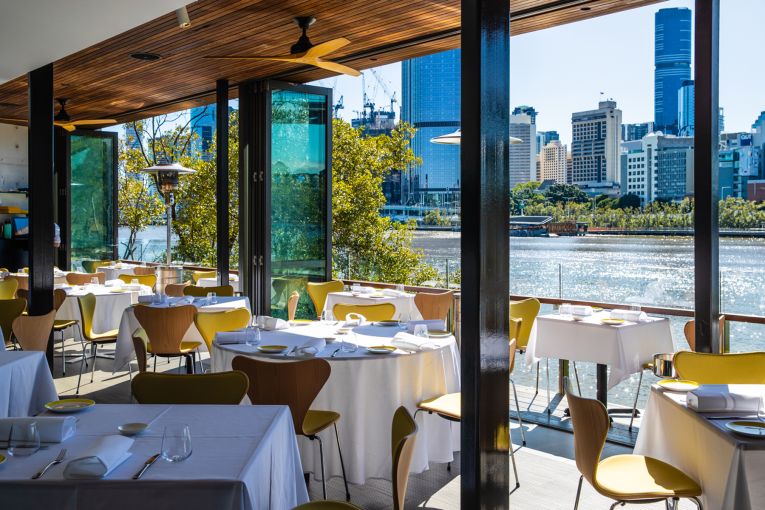
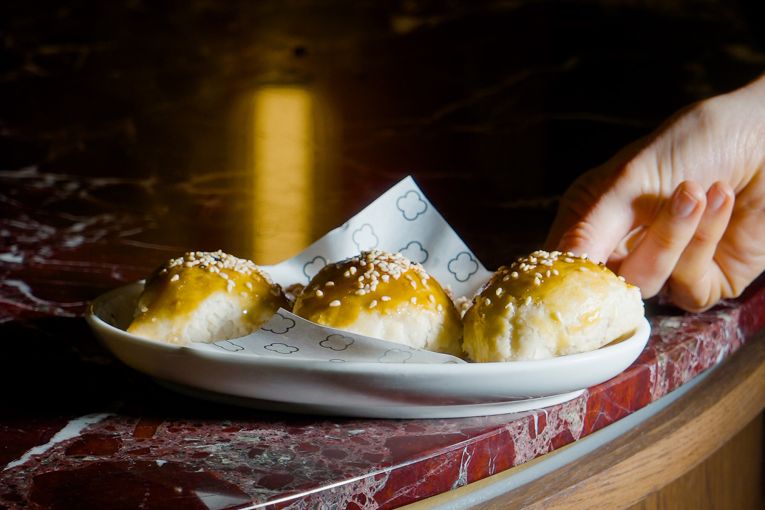
You’ll be taking a familiar, low-cost ingredient like sweetcorn and turning it into a brulee during the event. What was the thinking behind the dish, and what does it say about your approach to creativity and challenging convention?
I love taking something people completely understand and making them look at it twice. Sweetcorn is economical, familiar and incredibly versatile, but we generally put it in the savoury box. The idea of turning it into a brulee is really about challenging that expectation. You get the sweetness of the corn, the texture of a brulee from the crunchy elements on the dish, but there’s still that unmistakable savoury character. It doesn’t need to be complicated, it just needs to make you think: okay this is fun, different and playful.
When you’re developing a dish, how do you put your own stamp on it while still creating something that connects with customers?
I think the best dishes usually start with something people recognise. Then, you give it a little nudge. I don’t want someone to eat my food and have absolutely no idea what they’re eating. Give them something familiar, then change the texture, technique, flavour combination or presentation. That’s where you can put your personality into a dish without losing the customer along the way.
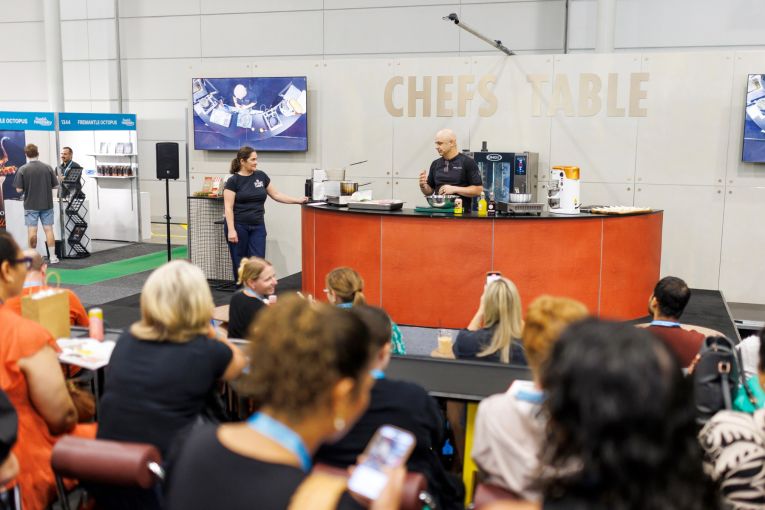
You’ll also be exploring resilient kitchen teams and mentoring young chefs. As someone who started their culinary journey at 15, what have you learned about leadership and retaining good people over the years?
Subscribe for updatesWhen I started, kitchens could be pretty brutal places. There was a lot of ‘that’s just how kitchens are’ mentality. I don’t think we need to accept that anymore. You can still have high standards without making people miserable. Young chefs need accountability, but they also need someone who actually gives a damn about whether they succeed.
For me, good leadership is about setting the standard, being consistent and giving people the opportunity to grow. If you invest in good people, they generally give you a lot back.
How can chefs build stronger relationships with suppliers, producers and the wider hospitality industry, and why do those relationships matter to the food we ultimately serve?
Get out of the kitchen. Pick up the phone. Visit the farm. Know the fisherman. Talk to the butcher. The more you understand where something comes from, the better you can cook it. Hospitality is a pretty small industry when you really look at it, so the relationships you build with producers, suppliers and other chefs become incredibly valuable.
It also changes the way you think about ingredients. When you’ve met the person growing your vegetables or raising your animals, you tend to treat that product with a bit more respect.
Looking back at your career, what’s something you once believed about cooking or running a kitchen that you see differently today?
I used to think being a good chef meant having all the answers.
Now I think it’s almost the opposite. The longer you’re in the industry, the more you realise how much you don’t know. The best thing you can do is stay curious, listen to people around you, adapt where possible and be prepared to change your mind. Being a small business owner means I must wear multiple hats and feel a lot of pressure and responsibility. But the core of it still stays the same: to keep the fire burning and remember why you’re doing this in the first place.
Food & Hospitality Queensland and Café & Coffee Experience will be held from October 12–13 at the Brisbane Convention & Exhibition Centre. Industry registration is now open via the website, with a 20 percent discount using code TWE20 at checkout.
Please note, Food & Hospitality Queensland is a business event and not open to the general public. All visitors must be over the age of 16 and work in the hospitality, foodservice, retail or convenience sectors. View the full registration terms and conditions here.
This interview was written in partnership with our friends at Food & Hospitality Queensland.
Want to see more stories from InDaily Qld in your Google search results?
- Click here to set InDaily Qld as a preferred source.
- Tick the box next to "InDaily Qld". That's it.