From pour-over to plunger: Master the art of coffee with Merlo’s ultimate guide to home brewing
The perfect cup of coffee doesn’t come naturally to everyone – unless you’ve done a stint in a cafe, many of us don’t know where to start. What’s the ideal grind? How do I stop the milk from screaming? How do I make a drinkable coffee on the go? From stove top and pour-over to plungers, portable coffee makers and home espresso machines, the crew at Merlo demonstrates that you don’t have to be a top barista to brew a great cup at home …
No matter the brewing method, Dean Merlo says the perfect cup of coffee isn’t necessarily about state-of-the-art equipment. It starts with fresh beans, the right grind (ask your barista to grind your take-home beans for a particular brewing method) and taking the time to get the best out of the equipment you use.
Before you get started
Before you start brewing, Merlo coffee trainer Kato McKenna says to get the basics right: buy whole beans in smaller quantities, store them in a container away from heat, moisture and sunlight, and avoid old or stale beans, which lose freshness, aroma and flavour over time.
“Ensure that your machine is cleaned every day. This means removing old coffee pucks from the heads, brushing to remove excess grind and built-up oils, and if you are only using your machine in the morning, then a chemical clean once a week will eliminate stagnant oil build up,” says Kato.
Stove top
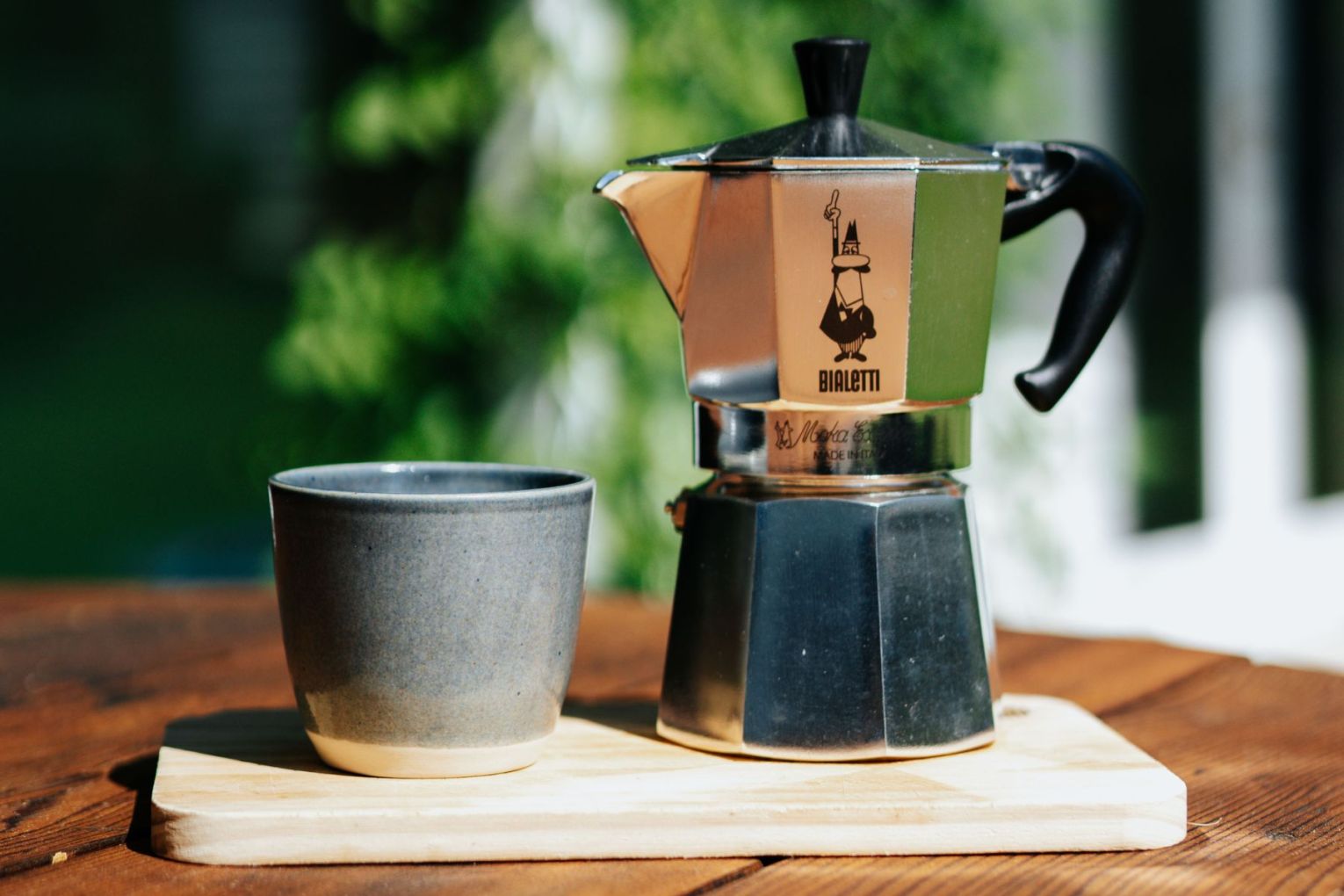
Channel your inner Italian with a stove-top coffee maker, also known as a moka pot. This morning ritual – often deemed non-negotiable by Italians – is all about patience.
Making his coffee this way each morning, Dean begins by adding water to the bottom of the vessel and loading a fine grind of fresh coffee into the basket before placing it on the stove top (gas is ideal). As the water in the bottom chamber heats up, it’s pushed through the coffee basket and out the top funnel. Fill your cup, add a little milk (if you please) and enjoy a sweet yet strong coffee – an excellent way to start your day.
You might like


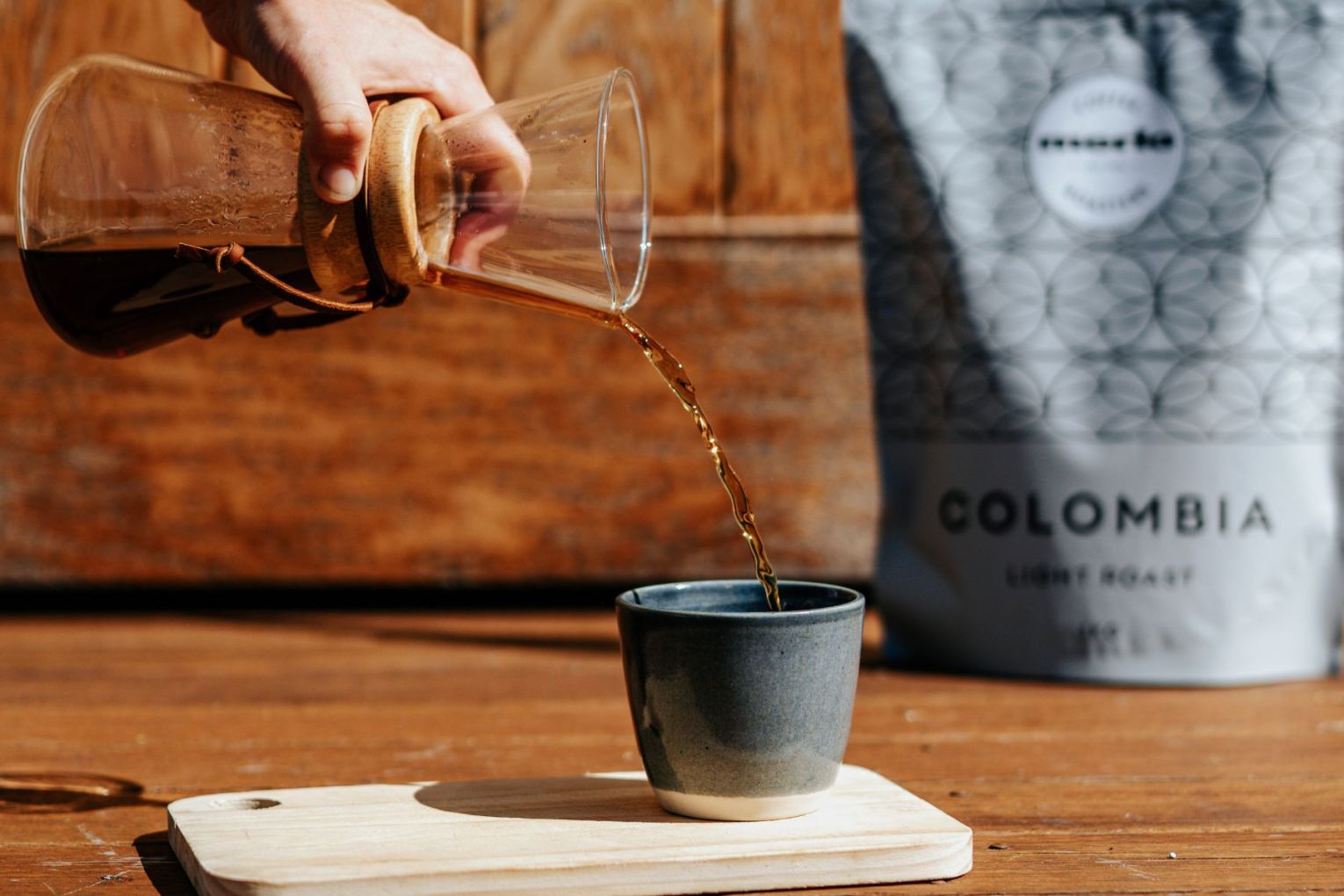
Pour-over filter coffee
On paper, the pour-over method is already pretty straightforward … and in reality it’s made even simpler as Merlo coffee trainer Jaden Mellers breaks down three brewing methods using the Hario V60, Chemex and Hario Fretta.
All three drippers follow a similar three-stage pouring technique. First, insert a paper filter and rinse it briefly with hot water to remove the papery taste. Then, add ground coffee and pour the water in circular movements. It’s quite therapeutic to watch the coffee siphon through the filter, slowly dripping into the base. For the Chemex, Jaden notes the pours should be even slower for a cleaner, smoother cup.
With the hotter months approaching, iced coffee lovers should opt for the Hario Fretta, which offers a similar taste profile to the Hario V60 but is cooled during brewing.
Plunger coffee
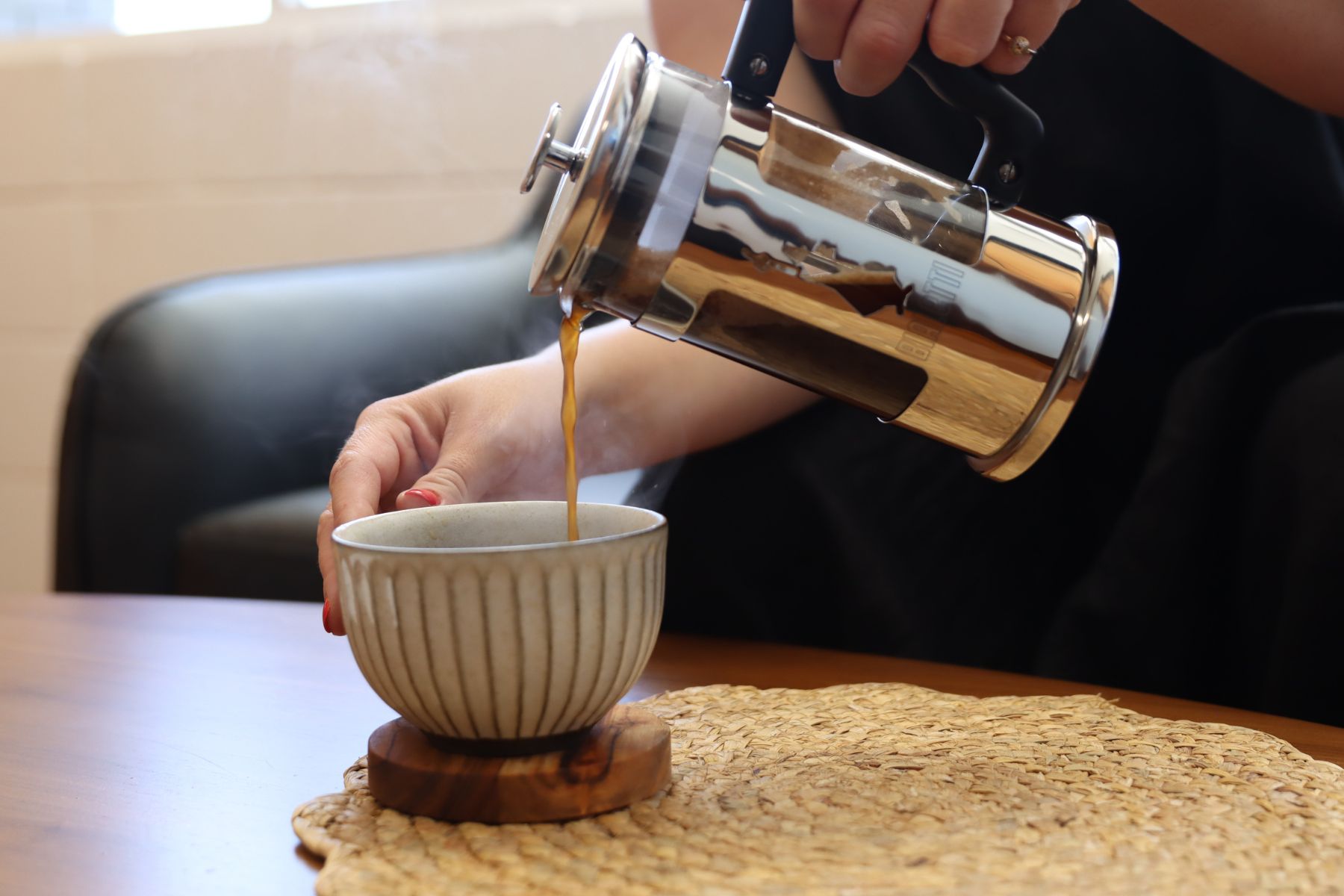
For coffee fiends who prefer a strong cup of the good stuff, plunger coffee (commonly known as a French press) is one of the easiest ways to get your coffee fix without any complicated equipment. The art of plunger coffee is patience, even extraction and the right grind.
The team suggests starting with a coarse grind of its freshly roasted Merlo Private Coffee Blend. If the coffee is too fine, it will over-extract and taste bitter – and nobody wants that. Add the coffee to water that has rested briefly after boiling, then gently stir centrally to mix the grounds, avoiding the sides of the vessel, before slowly depressing the plunger after about four minutes.
Stick to these steps and you’ll be sipping on coffee that tastes full, rounded and comforting, without too much hassle.
Portable coffee makers
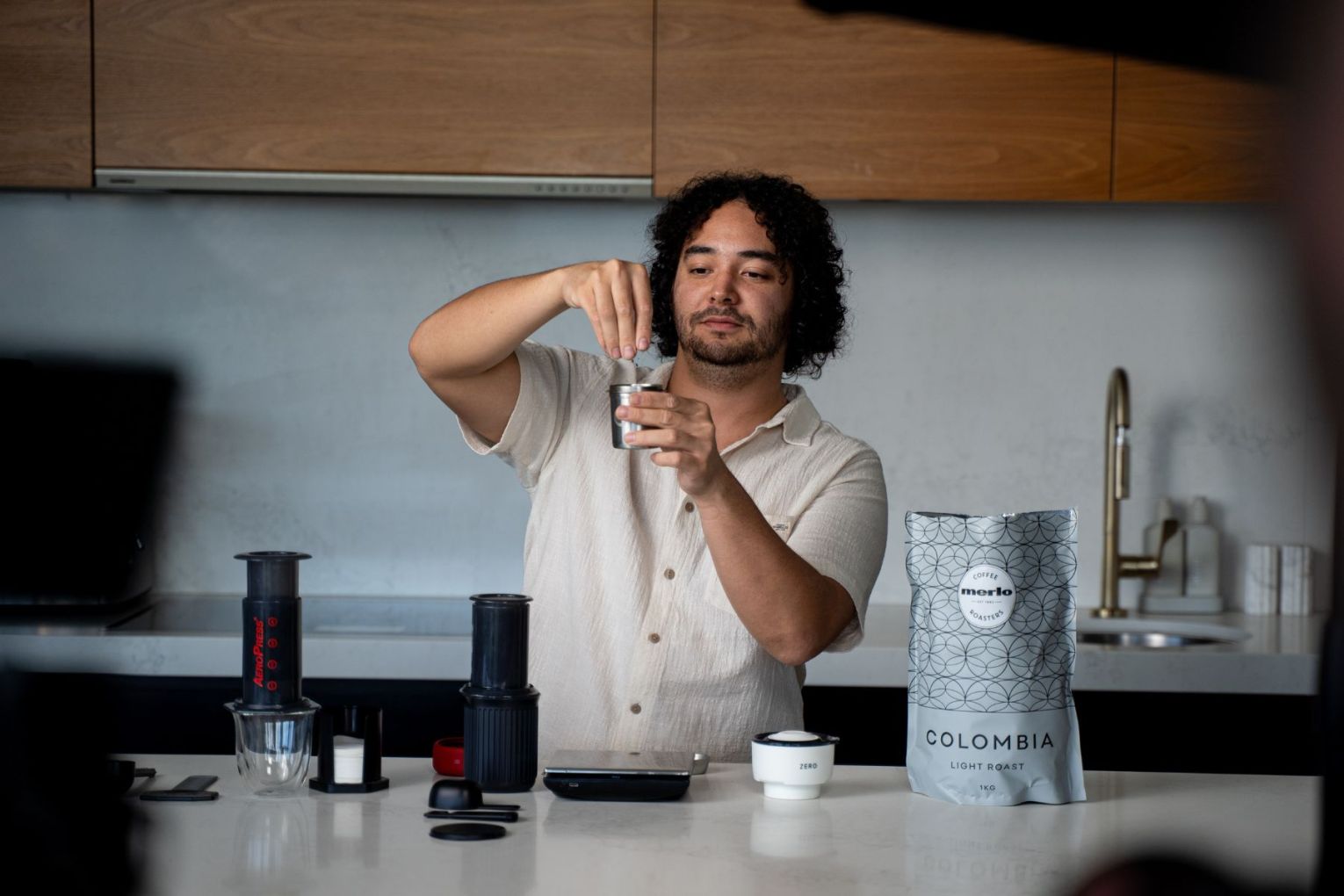
Want to enjoy great coffee on the go, even when there’s no cafe in sight? Whether you’re heading off on a camping trip, travelling or just tired of bland office coffee, portable brewing devices like the AeroPress, AeroPress Go and Trinity Zero are the perfect sidekick for a quick cup wherever you need it.
The AeroPress and AeroPress Go both produce a smooth, crisp cup of black coffee by adding 15 to 17 grams of ground coffee, slowly pouring 200 ml of hot water over the grounds, then stirring and gently plunging for 20 to 30 seconds.
Alternatively, the Trinity Zero uses a squeezing mechanism to produce an espresso-style shot with no paper filters required. Simply measure 18 grams of coffee into the brewing chamber, screw the chamber tight and fill with water to the indicated line. Next, squeeze the lid about 10 to 20 times as the concentrated coffee flows through.
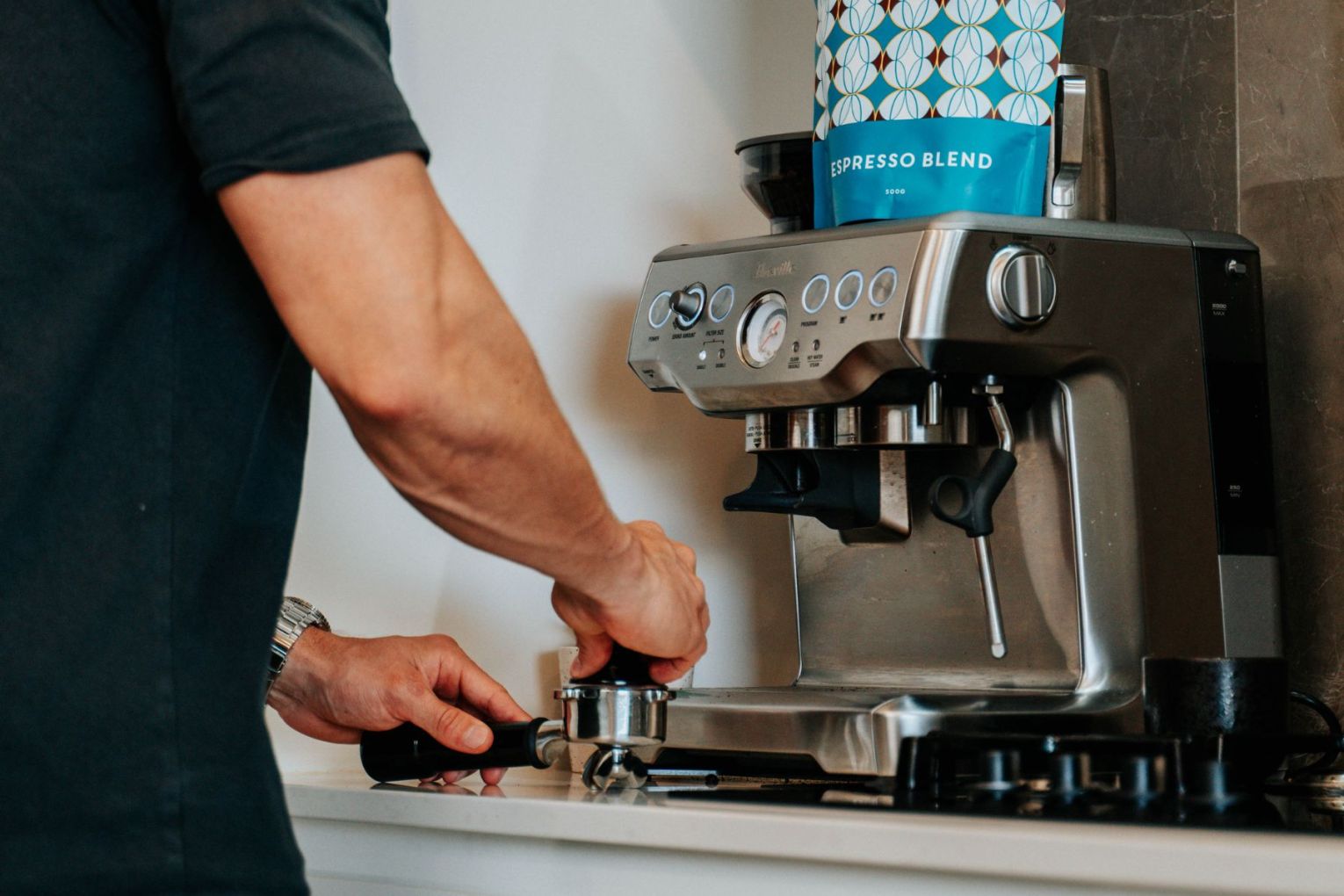
Home espresso machine
If you’ve read this far and you’re ready to take it up a notch, it’s time for a home espresso machine.
Dean says the trick to the perfect cup of home brew is understanding that small adjustments – even the slightest change to the grind – can affect the final result.
Depending on the machine (and if you want to get technical) you may need to weigh the coffee using scales rather than relying on the automatic dose. To get started, measure 18 to 20 grams of ground coffee into the portafilter, distribute the grounds evenly and tamp firmly for a level surface before inserting it into the group head.
If the coffee is running too quickly or looking too light, the grind might be too coarse, so try going finer. If it’s running too slowly or looking too dark, you might have to reduce the dose or try a coarser grind. It’s all about finding a balance that works for your machine and you. Don’t be afraid to adjust throughout the day, as environmental conditions, equipment heat and bean characteristics are constantly shifting.
Can’t escape the screechy sound of the milk being frothed? Don’t just stand there and let it happen: tilt the jug and keep the tip just below the surface to introduce a little more air and relieve your ears of the agony.
And remember, regular maintenance keeps your home machine performing well and preserves the quality of your coffee.
Merlo is currently running a Black Friday Sale until Monday November 30, with up to 50 percent off select home brewing equipment, accessories and more.
This article was written in partnership with our friends at Merlo.
Want to see more stories from InDaily Qld in your Google search results?
- Click here to set InDaily Qld as a preferred source.
- Tick the box next to "InDaily Qld". That's it.