Gold for Australia! Remembering the Hawke years
It’s a serious book about Australia’s most consequential of post-war governments – and its leader – but don’t worry, there are lighthearted moments too.
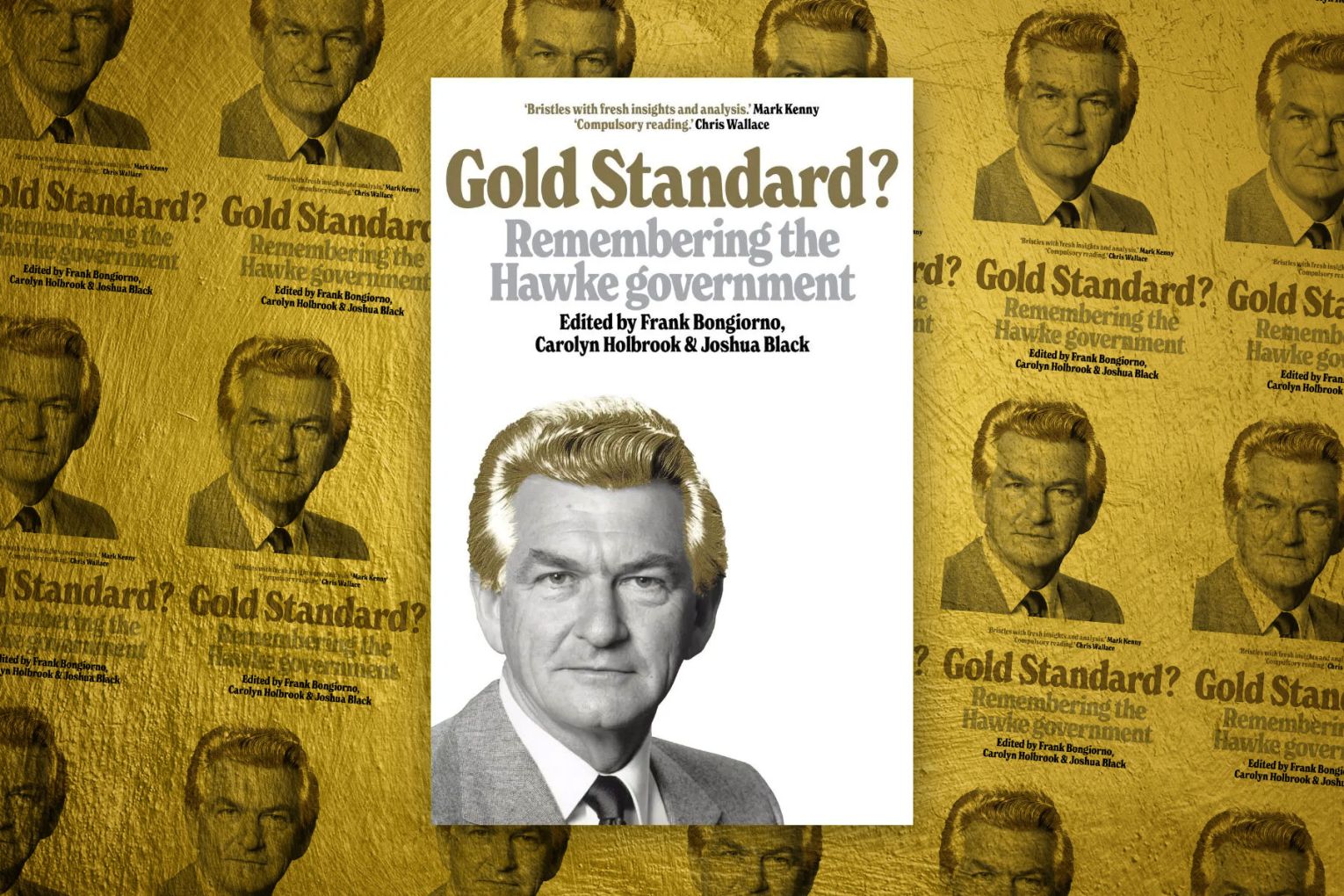
As the trio of editors of Gold Standard? Remembering the Hawke Government write in their introduction – proving that even a serious look at a government as transformative as Hawke’s benefits from the odd touch of wry humour – “The collectors to this contribution also offer valuable insights into Hawke himself, a man who has been much mythologised over time (including by his own efforts).”
A few of the 19 essayists are (or were) household names – Barrie Cassidy, Gareth Evans, Craig Emerson, Ian Macphee – with most of the others hailing from academe – but almost all of them have special insight to the Hawke government’s successes and shortcomings.
Veteran journalist Michelle Grattan’s essay has the ring of authenticity. I should know (full disclosure) because I worked at The Age’s Canberra bureau under her supervision for almost the entire length of Hawke’s first term. We were seven news-hungry reporters crammed – as everyone was in those days – into a glorified shoe cupboard along the northern wall of Old Parliament House. One of them was Stephen Mills, who later became a speechwriter for Hawke and, a year after Paul Keating dethroned the PM, wrote an insider’s account of how the Hawke government worked in a book titled The Hawke Years.
People might ask, what on Earth can those who wrangled the problems of the 1980s have to teach us in the 2020s? In which case I would offer up this telling anecdote on how to handle failure.
-
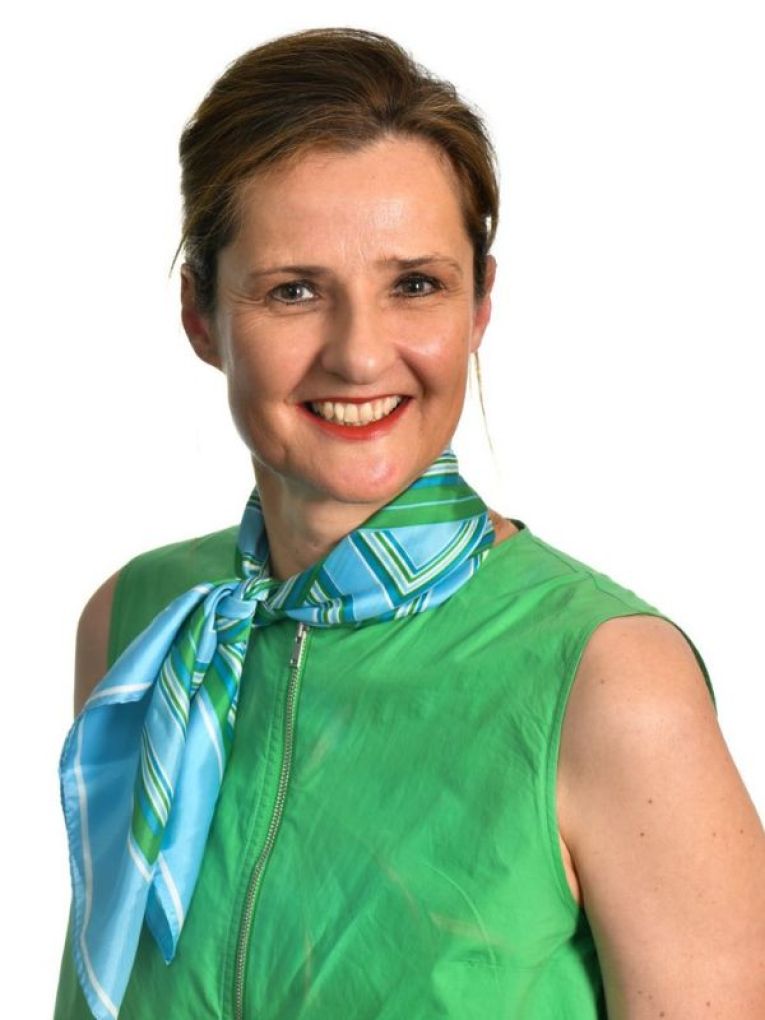 Carolyn Holbrook
-
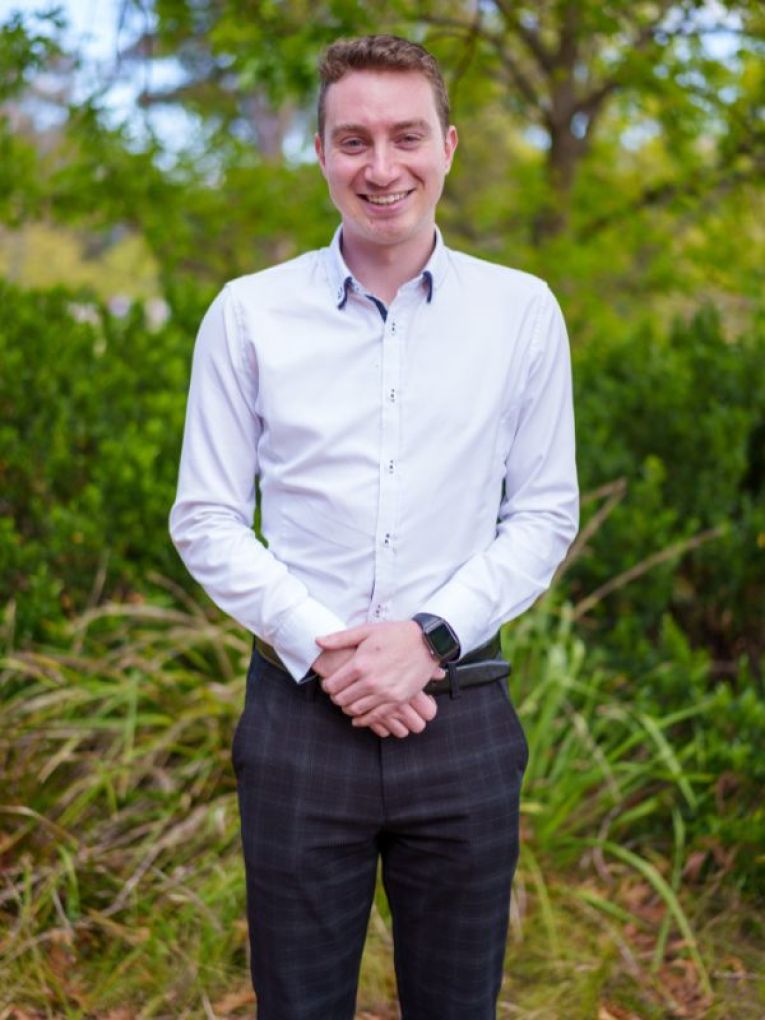 Joshua Black
-
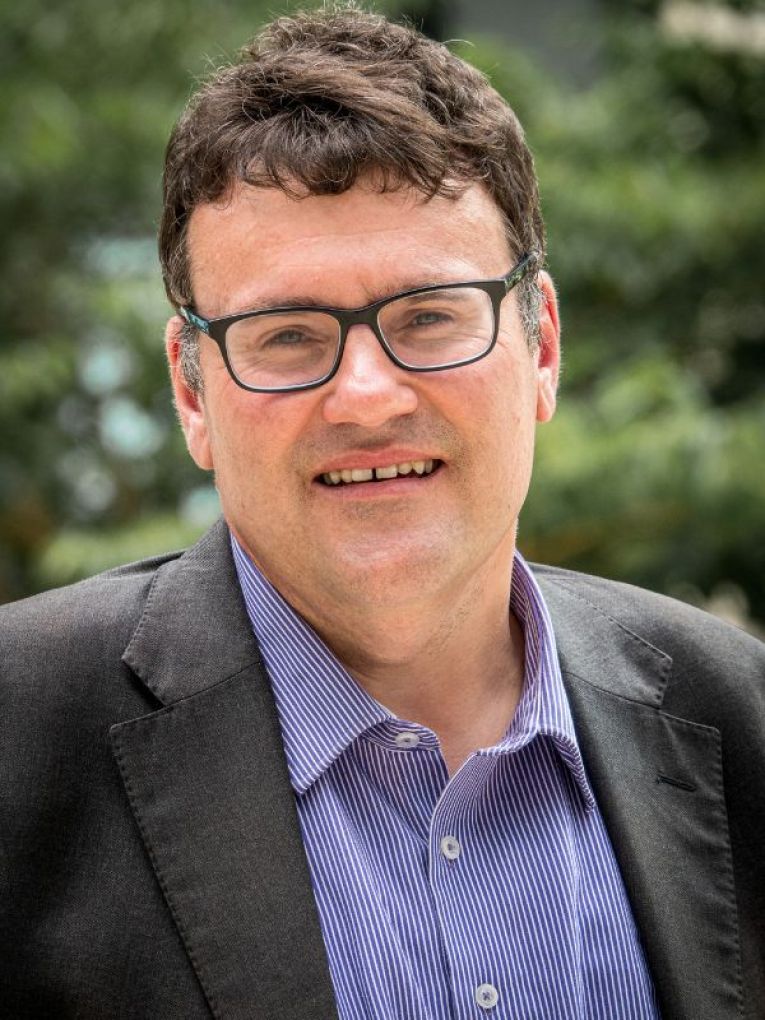 Frank Bongiorno
You might like

One of the contributors of this book, edited by Frank Bongiorno, Carolyn Holbrook and Joshua Black, points out that after the Liberals were ousted in 1983, the NSW president of their party, John Valder, conducted a “post-mortem” (always a suggestive term, I think, indicating that a party has not merely lost a slice of its public support but has given up the ghost). Six months later, the findings were made public.
Fast-forward four decades, and it was decided the 64-page post-mortem on the Liberals’ disastrous showing at the May 2025 federal poll – compiled by Pru Goward and Nick Minchin – would not be released. This was because the Liberal standard-bearer at that election, Peter Dutton, had demanded changes to the report (he had been given an advance copy) because he said it defamed him – and followed that up with a nebulous threat to sue.
That gambit, from an Opposition that is in the habit of calling for more transparency from the Government – failed. Someone spirited a copy of the report to Prime Minister Anthony Albanese who flourished it and tabled it in Parliament last March.
One of the risks you run with a book of essays written substantially by academics is that they will resort to opaque words that might impress university staff but befuddle the public. (To the point, in Monash communications lecturer Dr Meghan Hopper’s otherwise fascinating study of how Bob Hawke’s labile tear ducts influenced views on true masculinity, readers could have been spared such words as “intimised” and “celebritisation”.)
Grattan’s own contribution explains why a thoughtful, issue-oriented PM like Hawke would be an early scratching in the leadership stakes of 2026. Today, catering to most voters’ shrunken attention span with one eye (an eye that never shuts) monitoring the 24/7 news cycle, no serious leader can command the attention of an atomised electorate for long. (Cheap circus stunts never go out of style, though, which is why I wrote “serious“.)
Subscribe for updates
It’s a refreshing change of pace when Barrie Cassidy and former Rudd and Gillard government minister Craig Emerson have a conversation in print about the Hawke model. Hawke, who was a horse-racing fanatic, soon got to know the young Emerson, an economist, and assumed he must have enough knowledge of probabilities to help Hawke back nags that would win. Emerson did not want to offend his new master, so he neglected to mention that he had no interest in, or knowledge, of betting markets, and had never placed a bet in his life.
Nevertheless, Emerson’s initial few selections all romped home first! Emerson has an amusing anecdote about one of the Commonwealth Heads of Government meetings (CHOGM). During the formal meeting of all her First Ministers, the Queen said to Hawke: “How are you? I hope I didn’t drag you away from anything important.” Hawke replied: “No. I’ve finished the horse racing tips.”
‘We’ve got a continent all to ourselves, mate; we got kissed on the arse by a rainbow’
It was Gareth Evans who suggested a decade ago that the Hawke government was the “gold standard” of Australian governments. His essay in this collection certainly gilds the lily when it says, “the Hawke period was successful … because (internal) tensions were successfully managed, with a high level of mutual respect between Cabinet members, and commitment to the common cause, always acting as a brake on self-indulgent personality politics”.
All a contemporary observer from those days can say to that is – that’s absolutely so from 1983 to 1990, but it was precisely because self-indulgent personality politics was let loose from its straitjacket in 1991 that Hawke’s reign as the third longest-serving prime minister in 125 years of nationhood came to such an abrupt end in the dying days of that year.
A wonderful Keating-ism I had forgotten until I came across it in these pages: “We’ve got a continent all to ourselves, mate; we got kissed on the arse by a rainbow.”
So, yes, this is a serious book about the most consequential of post-war governments, but if you want to buy it for such lighthearted moments you won’t be disappointed either.
Gold Standard? Remembering the Hawke Government is edited by Frank Bongiorno, Carolyn Holbrook and Joshua Black, NewSouth Books, $39.99.
unsw.press/books/gold-standard-remembering-the-hawke-government
Want to see more stories from InDaily Qld in your Google search results?
- Click here to set InDaily Qld as a preferred source.
- Tick the box next to "InDaily Qld". That's it.
Free to share
This article may be shared online or in print under a Creative Commons licence