Reclaiming the night with arts and culture
It’s vital that women reclaim the night as a safe space – and arts and culture can help us to achieve that.
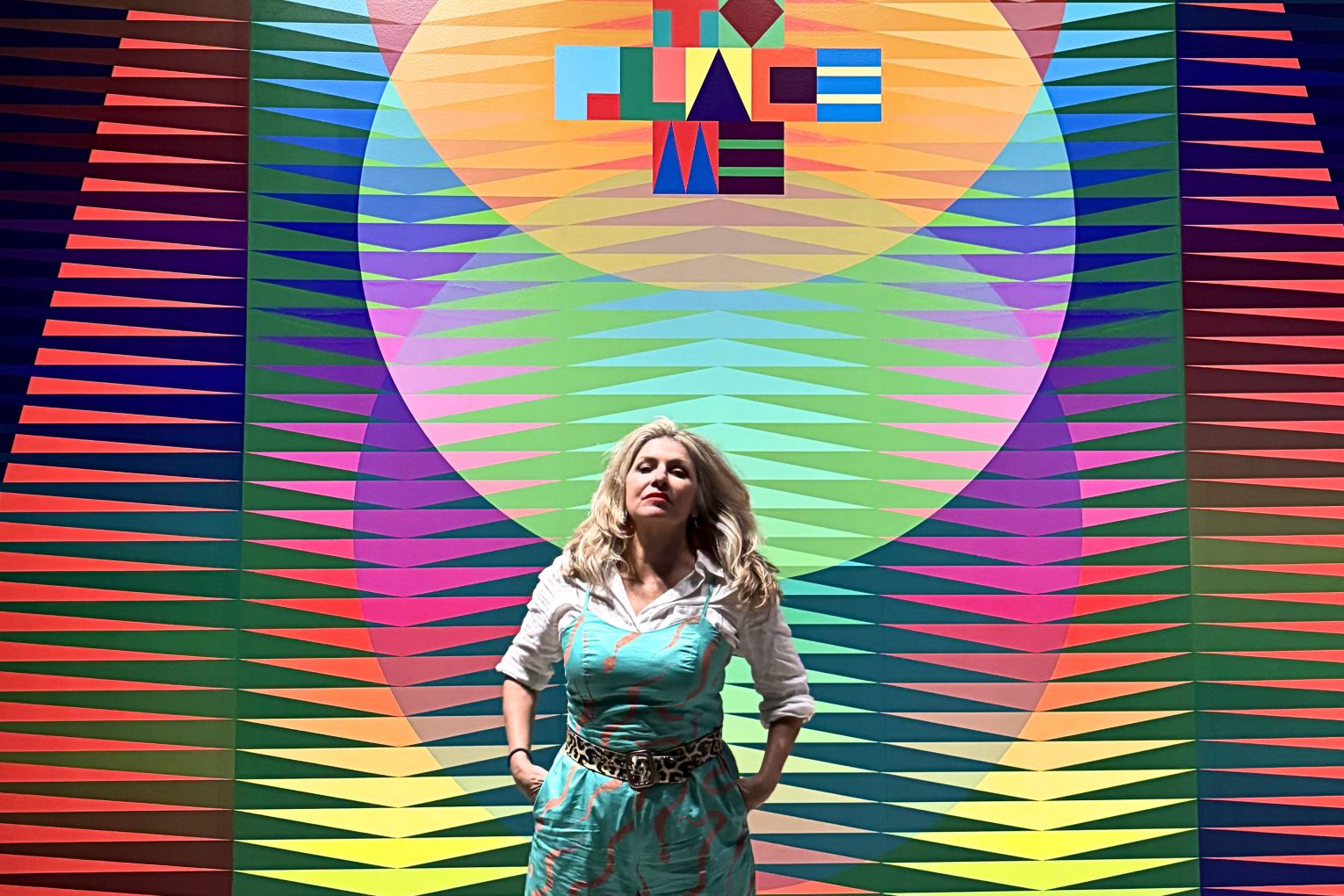
If ever there was time for a revolution it is now. As the trajectory of the patriarchy grinds itself into the pointy end of the 21st century and the shadow of doom looms so large, it is hard to imagine what we can do (numbers are always a good place to start) to see where you can make slight shifts in the paradigm.
DemosAU research reveals that 85 per cent of women do not feel safe walking alone at night, that the average wage for an artist is $24,000, and that the night can be half as long as the day, yet its governance, design and servicing is not fit for purpose.
As you see we have a triage of problems, which I set out on my 2025 Churchill Fellowship to find out how these issues are being solved in other parts of the world.
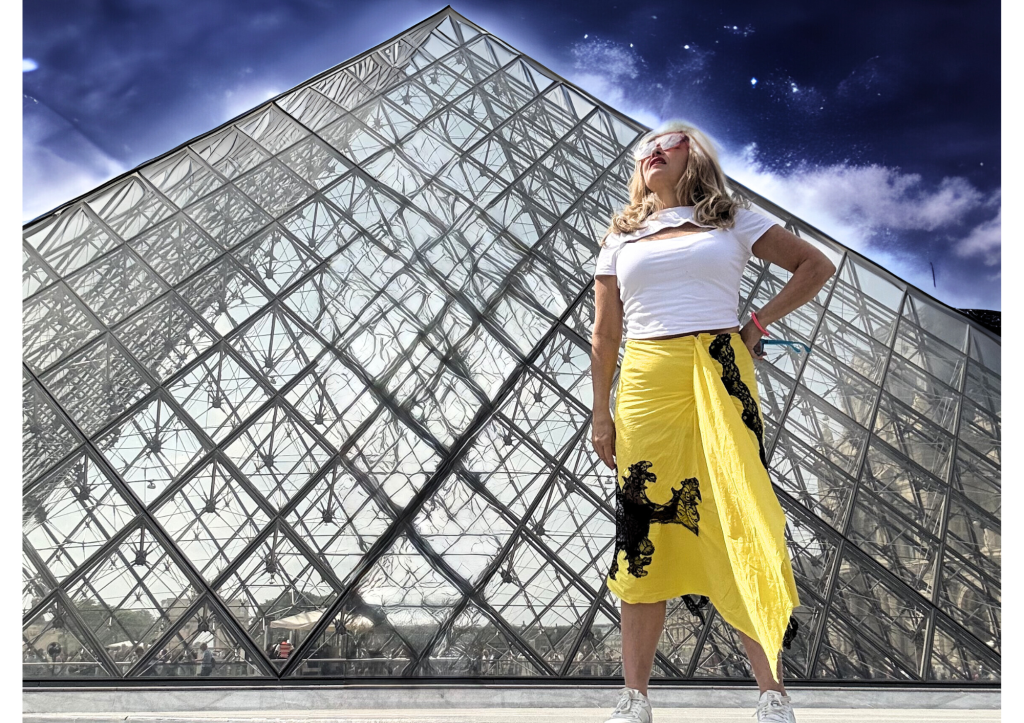
Spanning seven global cities – Los Angeles, New York, London, Paris, Amsterdam, Rotterdam, Berlin and Avignon – I have met with night mayors, urban planners, cultural programmers, artists and women’s safety advocates.
I have examined successful models of night-time governance, design and cultural activation that create safer, more inclusive urban spaces, learning from cultural olympiad directors in LA, Paris and London about building a lasting legacy into their programs. If you have ever thought of doing a Churchill, you absolutely must. It will change your life!
You might like
What is clear is that fear limits women’s participation, economic security, quality of life and social cohesion. It is time to reimagine how we design our cities by centring women, girls and marginalised people’s experiences. If a place is safe for women, it’s safe for everyone.
What I learnt is that a fundamental aspect of urban safety is whether individuals feel a sense of belonging. An implicit safety question is: “Do I feel welcome, empowered and have a sense of ownership of this space?”
What I discovered was that where there has been female leadership in night-time governance, there has also been the greatest systemic change.
I don’t want window dressing. I want real systemic change! Dr Nourhan Bassam, world-leading feminist urbanist and architect, has declared the fifth wave of feminism is here. In her book Women After Dark, she calls for gender justice to be “inscribed into urban design: the width of sidewalks, the placement of lights, the safety of underpasses, and the accessibility of public transport”.
This is where the arts come in. The identity of a place, a city, a nation lays in its storytelling, and we need to invest in our unique cultural identity as an important way to develop the true story of a place and cultivate a sense of belonging.
Public art and cultural programming can serve as a transformative catalyst for urban safety, as it has a profound capacity to foster inclusion, communicate complex ideas and, ultimately, transform urban environments into safer, more vibrant spaces. It serves as a powerful tool for social cohesion, connectivity, belonging and community safety, embodying the core values that art matters, artists’ voices are important and public spaces are for creative and free expression.
Subscribe for updates
The inclusive power of public art extends beyond daylight hours, becoming particularly crucial for creating safer night-time experiences for women and marginalised communities. This approach recognises that authentic night-time safety emerges not from removing people from public spaces, but from creating compelling reasons for diverse communities to occupy and activate them.
When public art and cultural programming invite women, families and marginalised communities into night-time public spaces, they create social cohesion, the conditions for natural surveillance, community ownership and collective care that form the foundation of genuine urban safety.
I am putting all my theories to the test with my Flying Fox Woman project in the City of Logan. It’s a groundbreaking participatory art project that challenges conventional approaches to urban safety by prioritising belonging and a sense of place.
Drawing from my extensive Churchill Fellowship research into public art interventions and safety initiatives worldwide, this experimental project transforms women’s safety experiences into powerful artistic actions that will culminate in a major exhibition at Logan Art Gallery late in 2026.
The ‘right to the city’ belongs to everyone
I think it would be of great benefit for the Federal Government to develop a night-time economy cultural framework that centres belonging and women’s and girls safety with policy, regulations and funding that could support and foster it.
My fellowship represents more than research – it is seeking to put forward a roadmap for transformation. Australia can become a world leader in feminist placemaking, with cities and towns designed to be safe for women and children, a place that harnesses arts and culture to drive transformational change.
The “right to the city” belongs to everyone, and through strategic investment in arts, culture and innovative night-time governance, we can ensure long-term social impacts and outcomes that extend far beyond 2032.
Flying Fox Woman Project popsart.com.au/group-events
Churchill Report popsart.com.au/new-page-1
Want to see more stories from InDaily Qld in your Google search results?
- Click here to set InDaily Qld as a preferred source.
- Tick the box next to "InDaily Qld". That's it.
Free to share
This article may be shared online or in print under a Creative Commons licence