The snakes and ladders of the property market make perfect fodder for stage
Put aside rumours about playwright David Williamson’s retirement as the 84-year-old theatre legend has just launched his latest play – and it tackles one of the hottest topics in the land.
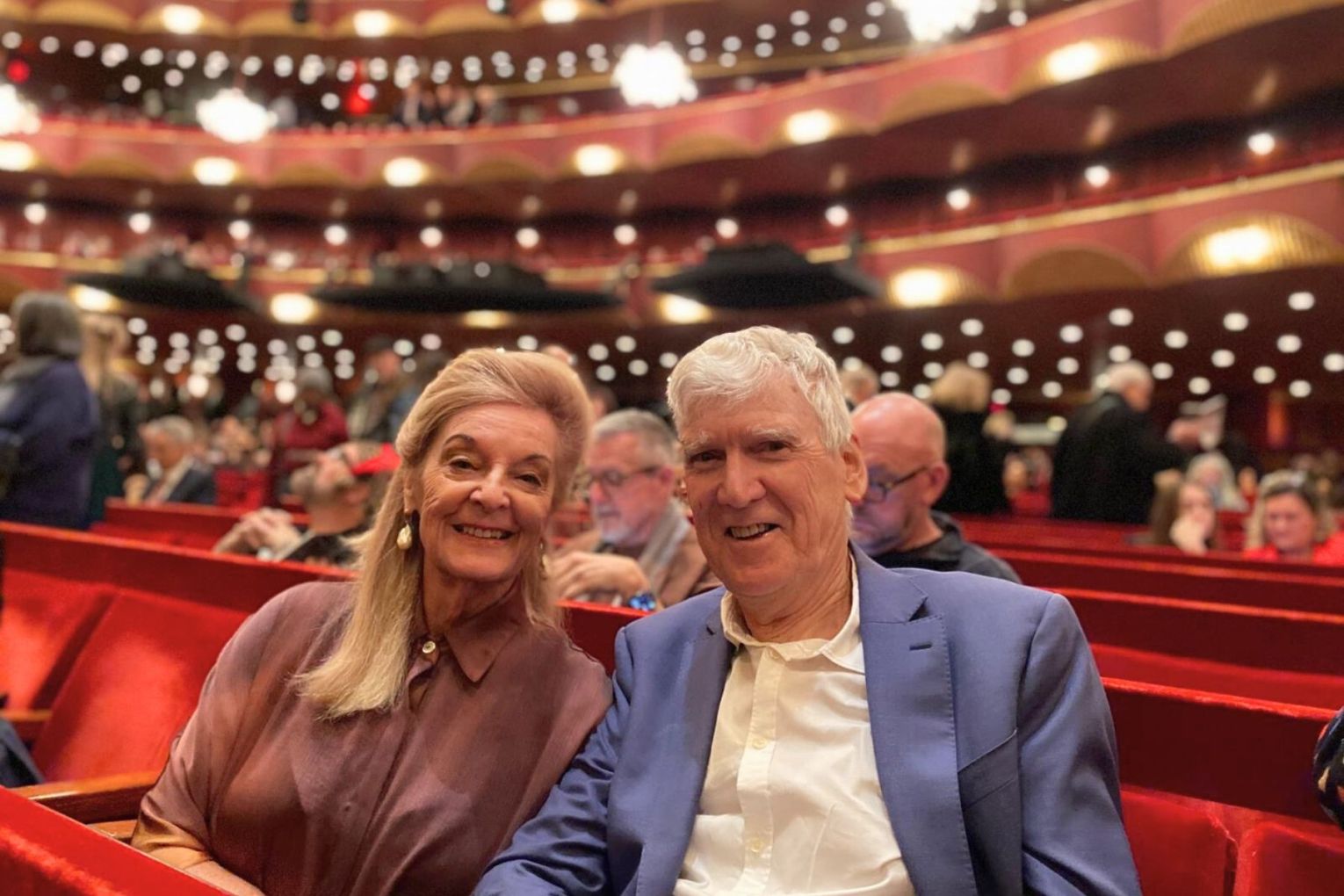
For more than 60 years David Williamsons has bestridden Australian theatre like a colossus – albeit a lanky, self-deprecating one – displaying an astonishing knack for both productivity and consistent connection with large audiences.
In his latest play, How to Survive a Happy Childhood, he takes on one of the cornerstones of 2026 Australian society – in culture, the economy and dinner party conversations – our rigged residential property market.
Few people have been more blessed in recent decades than Australian property owners, particularly Baby Boomers, who have benefitted from the numerous government regulations and tax breaks that helped turn our housing market into one of the least affordable in the world.
Among the beneficiaries is Williamson himself, born in 1942 and owner of a house in Noosa – but then he has never been afraid to bite the hand that’s fed him, and the playwright chomps on the subject of Australian real estate with relish in How to Survive a Happy Childhood.
As part of its development process, the play is being given a public reading at Ad Astra Theatre in Brisbane at the end of this month. Williamson was kind enough to give us a few minutes in between rewrites to share his thoughts on the play.
What was the inspiration for the play?
“I have 14 grandchildren, most of them old enough to have realised what a bad deal they’ve been dealt by my generation, which by rigging the tax laws heavily in favour of owning property, have made our generation’s property worth much more than it should be. The astronomical house prices this has caused have ensured they can never own their own homes. And they are angry about it. I thought it was time our theatre companies realised that the greatest injustices aren’t the ones that are presently on their stages, they are our intergenerational injustices.”
You might like
Could you tell me about the background to the play’s title?
“Everyone assumes that a happy childhood ensures a happy life. In fact, researching this issue it is clear that that’s by no means always true. Such a child can grow up with an optimistic belief that how their parents treated them is going to be the way the world treats them. They may overestimate the goodness of human nature and get some pretty severe buffeting in a real world full of people who care about them far less than their parents did.”

What do you think makes a happy childhood?
“Research suggests that it’s when a child feels loved and valued by parents who are willing to spend time with them and encourage their achievements, and who allow their individuality to blossom, but who can still set limits and not overindulge them.”
And what is the David Williamson recipe for a happy life?
“That has been pretty thoroughly researched too. We need to feel our achievements are respected, to have a strong friendship network, to devote part of our time making lives other than our own better, to have something apart from our work that absorbs us and makes time fly, and to spend our time doing things which engender positive emotion rather than negative. The only thing in that list that’s not happening for me is that when I turn on the evening news these days all one experiences is negative despair at where the world is heading.”
You have never been afraid to take on big targets: corruption, Murdoch, football administrators, etc. In this play you tackle real estate, corporate spin doctoring and your own generation’s greed. What sort of negative blow back, if any, have you received over the years for taking on these targets?
Subscribe for updates
“I think because I have usually attacked them satirically, I have more or less got away with it. If you make someone smile ruefully, they’ll get they’re being criticised but are more likely to accept that they may be deserving of a serve. Another protection is that just about everyone tells me that they know a person just as bad as one of my characters, but it’s never them.”
Let’s talk about sex. Your characters are often driven into poor decisions by their sex drives, this play being a case in point.
“Sex is a great complicating factor in social life, and if that wasn’t so what would we dramatists write about? Its irrational power all too often overrides rational and ethical considerations. Of course, evolution designed it that way to ensure reproduction but it sure can wreak havoc on the social fabric. At my age sex is no longer such a pressing imperative but my fascination about it as a social disrupter has not changed. It’s a godsend for dramatists as the emotions aroused are so intense and the ensuing conflicts so devastating.”
If a young person came to you and said, ‘I want to be an artist (musician/actor/painter)?’, what advice would you give?
“Make sure you’re born in Europe where the population realise what a strong arts scene can add to the national quality of life and where governments realise it too and fund it adequately. Or be born here with great sporting talent and you will feel right at home.”
You are Prime Minster for a month. You have a majority in the House of Reps and the Senate. What legislation would David Williamson PM push through?
“Abolish capital gains tax exemption on the family home and capital gains concessions on future property purchases, end negative gearing and impose a death tax – things that just about every other country in the world has done. These measures would largely end the intergenerational inequity. But, of course, no Australian government would have the courage to threaten the unearned wealth of the Baby Boomers.”
What’s next for David Williamson?
“Hopefully, a future production of How to Survive a Happy Childhood.”
As part of the play’s development process, How to Survive a Happy Childhood will have a table read for the public at Ad Astra on March 29. Details:
adastracreativity.com/productions/how-to-have-a-happy-childhood
Want to see more stories from InDaily Qld in your Google search results?
- Click here to set InDaily Qld as a preferred source.
- Tick the box next to "InDaily Qld". That's it.
Free to share
This article may be shared online or in print under a Creative Commons licence