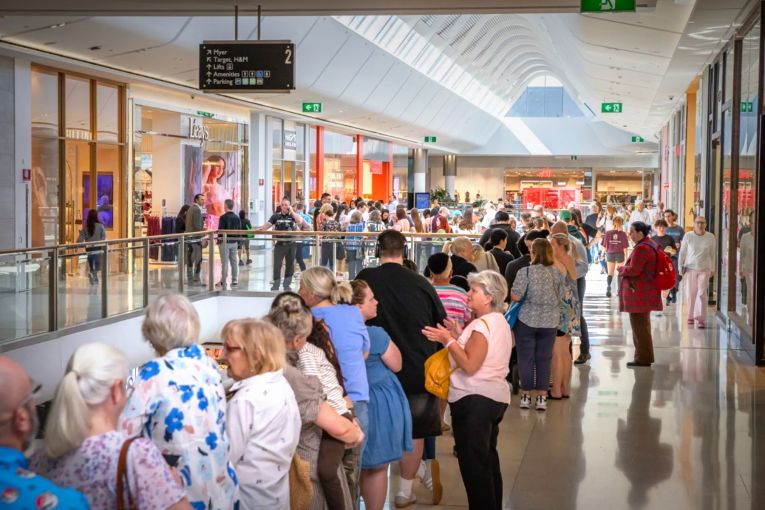
‘Costliest in recent history’: Suncorp’s $1.3bn hit from supercell storms
Suncorp boss Steve Johnston has revealed the giant hailstorms that hit the state last year were among the “costliest in recent history” – but despite the whopping hit is forecasting brighter times for the businesses.
Suncorp profits have taken a massive hit as the insurer continues to count the cost of the destructive storms that lashed Queensland last year.
In its most recent announcement to shareholders, Suncorp chief executive Steve Johnston revealed half-year profits of $263 million after tax, $837 million down from the same time last year.
The massive slump was the result of an “elevated level of natural hazard costs and lower investment returns”, he said in a statement.
“Suncorp dealt with nine declared natural hazard events through the half, resulting in more than 71,000 claims at a net cost of around $1.3 billion,” Johnston said.
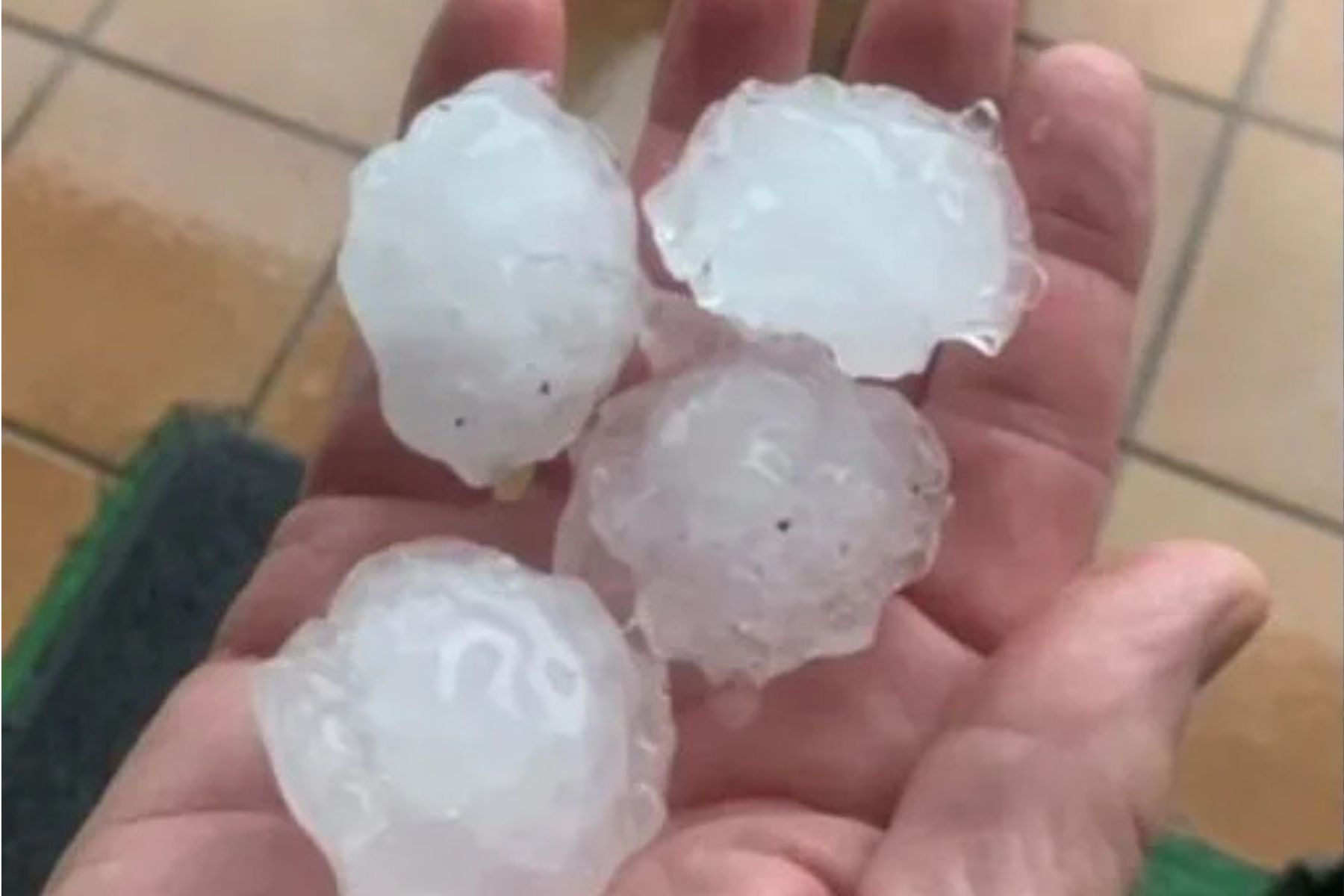
“The destructive thunderstorms and widespread hailstorms that hit the east coast of Australia, particularly south-east Queensland through October and November, contributed to the majority of claims received over the half, with the giant hailstorm event in November likely to be among our costliest in recent history.”
Despite this, Johnston said the business continued to “perform strongly”, and while natural hazard costs were up, they still sat within the allowance for FY26: $1.77bn.
Additionally, Suncorp’s main catastrophe cover remains in place, with the retention for the next large Australian event of $260m based on current estimates.
“We have thrown our full support behind our customers impacted by … severe weather events,” Johnston said.
Stay informed, daily
“These events continue to underscore our purpose and the important role we play in our communities and economies.
“I am particularly proud of our enhanced ability to respond to such large-scale weather events and claims volumes with speed and efficiency, demonstrating the benefits of our strategic investments in disaster management capability.”
Meanwhile, as wild weather continues to lash parts of Queensland, the Bureau of Meteorology has been forced to defend its rainfall forecast for the south-east on the weekend.
An initial forecast for a 300mm dumping, for which several councils prepped sandbags in anticipation of flooding, turned out to be a light drizzle for many.
A spokesperson later said the coastal trough moved faster along the south-east coastline than models suggested.
Want to see more stories from InDaily Qld in your Google search results?
- Click here to set InDaily Qld as a preferred source.
- Tick the box next to "InDaily Qld". That's it.