Top SA company in talks to buy rival’s assets
The state’s top oil and gas companies are in discussions for a potential deal over assets in what has been touted as Australia’s first new prospective oil field in fifty years.
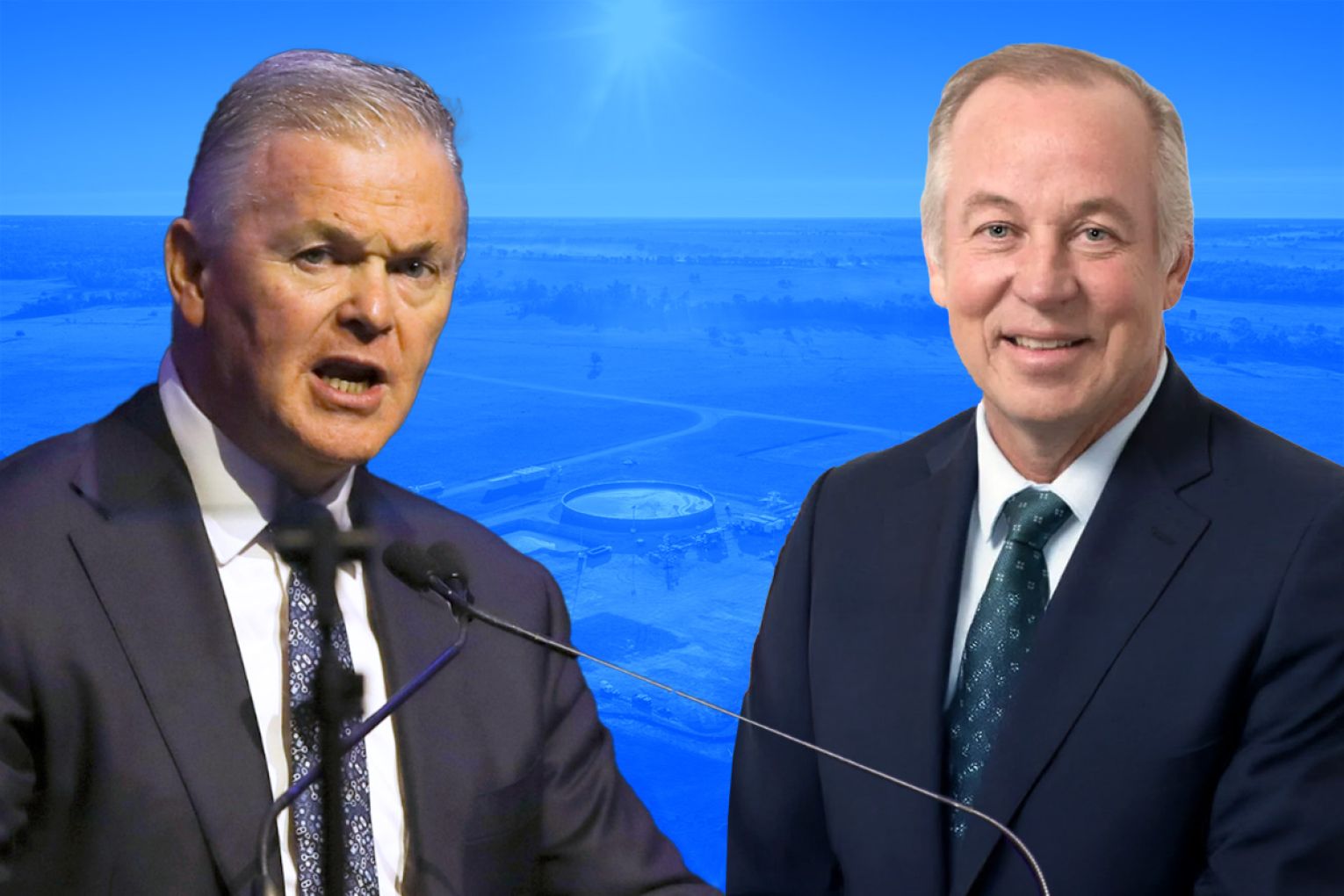
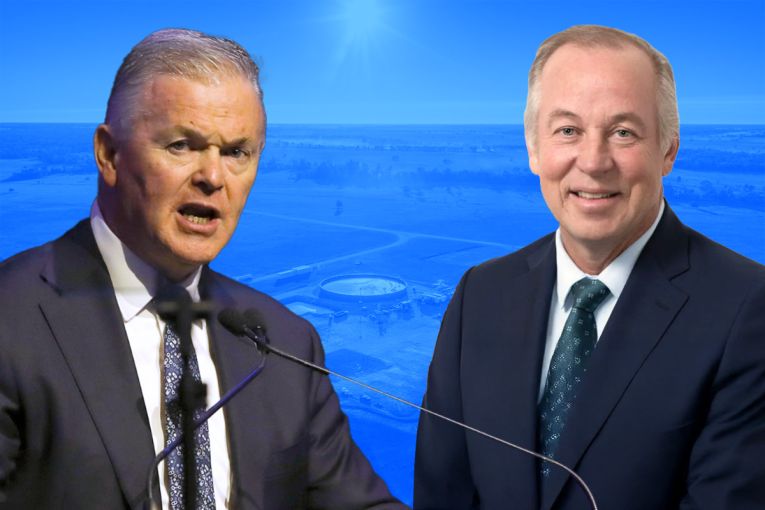
South Australian oil and gas companies Beach Energy and Santos are in discussions regarding a potential sale of the latter’s interests in the Taroom Trough, Queensland.
Beach Energy – the smaller of the two companies, which both rank highly on InDaily’s 2026 South Australian Business Index – confirmed news of the discussions to shareholders this morning.
In a short announcement to shareholders, Beach said: “Discussions are incomplete, no binding agreement has been reached and there is no certainty that any transaction will eventuate”.
The company – SA’s sixth largest – was responding to an Australian Financial Review article which claimed Beach was “seeking to acquire a clutch of assets in the Taroom Trough”.
Beach – backed by billionaire Kerry Stokes – might purchase the assets to complement its portfolio in the region.
You might like


The Taroom Trough, a basin the size of Singapore on Queensland’s Western Downs, has been touted as Australia’s first new prospective oil field in fifty years.
“The Taroom Trough has the potential to open up Australia’s first major oil province since the 1970s,” he previously stated.
Shares in Beach fell by 1.20 per cent on the news, and Santos shares also dipped by 0.53 per cent in early trade.
Stay informed, daily
Adelaide-headquartered Beach also spoke out about the Federal Government’s proposed Domestic Gas Reservation Scheme this morning.
In a press release, the company said the scheme – set to be voted on in Federal Parliament this week – “risks undermining the long-term supply of both gas and oil to Victoria”.
The scheme would force LNG companies to supply the local market before they can get an export license. Federal Labor needs the Coalition’s support to pass the Bill.
The Federal Greens want a 25 per cent gas export tax instead of the Reservation Scheme, while One Nation has ruled out supporting the changes.
In a media release, Beach managing director and CEO Brett Woods said: “A policy that deliberately pushes extra gas into the market today will make it harder for companies to invest in the new supply Victoria will need tomorrow”.
“Less investment now means tighter supplies and higher prices later.
“When domestic liquids production falls, Australia becomes more dependent on expensive imported fuels that are vulnerable to global disruptions. That cost ultimately flows through to prices at the petrol and diesel pump.”
Woods said a “smarter approach would reward genuine new domestic production, remain flexible to real market conditions, and protect the investment needed for long-term security”.
Want to see more stories from InDaily Qld in your Google search results?
- Click here to set InDaily Qld as a preferred source.
- Tick the box next to "InDaily Qld". That's it.