‘It took an army to love me back to life’: Rajni’s path to recovery
Breaking free from addiction isn’t a single moment but a long process – one shaped by support, community and the willingness to try again.
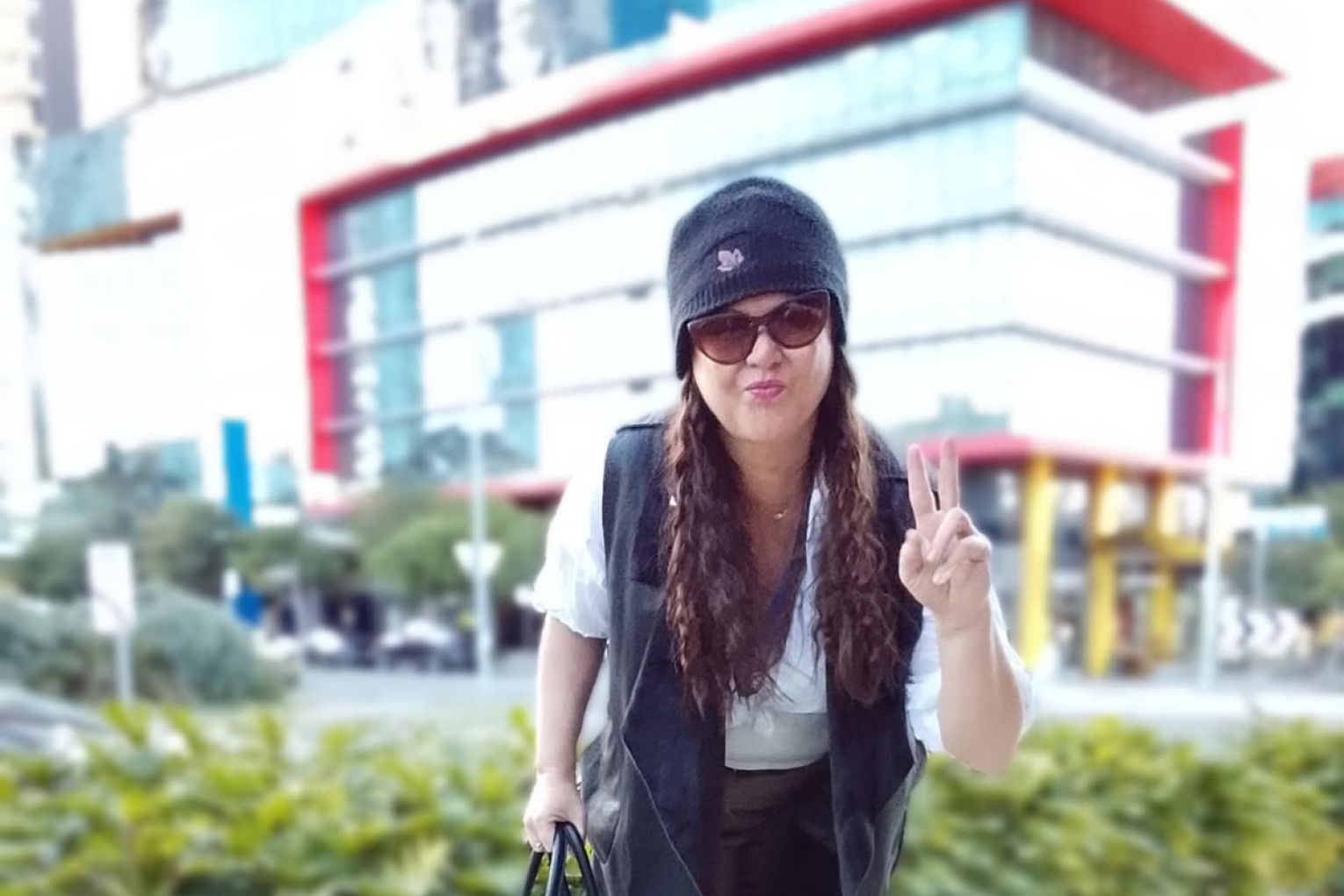
Before Rajni Ramsay found support through The Salvation Army, she was stuck in a cycle of alcohol addiction she couldn’t break.
“I was attending AA meetings, listening, sharing and reading the literature,” she says. “I genuinely wanted to stop drinking but I couldn’t stay stopped.”
At the time, she was navigating single parenting, separation and divorce. “Life felt unstable, and I didn’t have a strong sense of safety or direction,” she says. “Underneath it all I felt tired, overwhelmed and unsure of who I was any more.”
Rajni had gone through detox but she knew sobriety alone wasn’t enough. “While that helped physically, I still needed something deeper – something that could help me stay well, not just sober.”
The turning point came through conversations with other women in AA, who recognised the pattern Rajni was stuck in and encouraged her to reach out for more support. That encouragement led her to contact The Salvation Army’s Gold Coast Pathways – Bridge Program in Southport. It’s a moment she still recalls vividly.
“From that first conversation, I felt something shift,” she says. “I felt understood. The person I spoke with had lived experience and connected with me in a genuine and compassionate way. There was no judgment, just care and honesty.”
What followed was a period of deep, often challenging, but ultimately life-changing work.
“Being part of a faith-based therapeutic community gave me structure, support and a clear pathway forward,” Rajni says. “It wasn’t just about stopping drinking: it was about learning how to live differently, think differently and be honest with myself.”
You might like
Rajni spent eight months in the program, time she describes as foundational to her recovery. “I often say it took an army to love me back to life – and I truly mean that,” she says.
That “army” wasn’t just the program itself but the people and support systems around it. After graduating, Rajni stayed connected through extended care, case work and group programs, including the Positively Living Program.
“That ongoing support helped me stay anchored and reminded me that I didn’t have to do life on my own,” she says.
Today, Rajni is open about the reality of recovery – including the setbacks. “I want to be honest: I haven’t experienced perfect sobriety,” she says. “I’ve had periods of abstinence – six months, eight months, even up to 18 months – but, in the past, I struggled to maintain it long-term.”
What has changed is how she navigates those challenges. With an AA sponsor, a home group and an active service role, Rajni has built a network that keeps her accountable and connected.
“Today I’m not doing it alone and I’m no longer relying on my own thinking,” she says. “I’m connected to recovery, to community and to The Salvation Army. That connection has changed everything.”
Faith has also become a cornerstone of her life. “I have come to believe in a Higher Power and for me, that is expressed through a relationship with Jesus, who I know today as my helper and my teacher,” she says.
“I have a daily prayer life and spiritual practice, and that keeps me grounded. It helps me pause, listen and not rely solely on my own thoughts or reactions.”
Through church and fellowship, Rajni has found a sense of belonging that once felt impossible.
“My family relationships are much healthier. I’m emotionally present, spiritually available and able to support and enjoy my daughter, my mother and my family.”
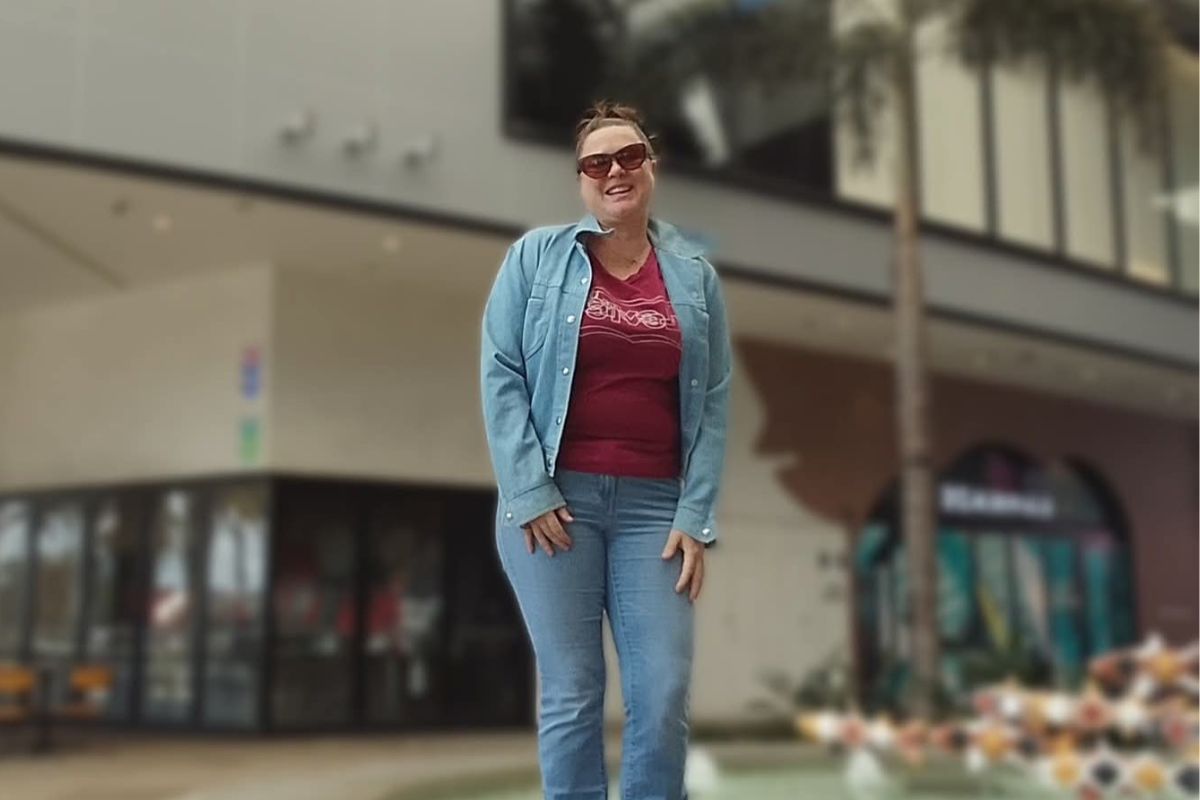
She has relocated, supported her child through primary school and begun studying community services at TAFE. She’s also embraced creativity, joining a theatre company and exploring portrait photography.
“I’m no longer living in constant chaos and crisis,” she says. “I have more stability, clarity and peace of mind, and that’s something I don’t take for granted.”
Recovery is something she works at every day. “Recovery isn’t always easy,” she says. “It takes daily effort, honesty, and willingness – but it is absolutely worth it.
“The physical craving to drink has been lifted and, while the mental obsession can still arise at times, I don’t face it alone any more. I stay connected, I pray, I share honestly and I reach out when I need support.”
Her message to others is clear.
“If you’re struggling, you don’t have to do it alone. Reaching out – whether to a program, a community or a support network – can be the first step towards real change.”
For Rajni, that first step changed everything.
“Today, I live with gratitude. I’m grateful for the people who didn’t give up on me, for the support I received and for the life I’m continuing to build, one day at a time.”
The bigger picture
Rajni’s story is one of many supported by The Salvation Army across Australia.
Through a network of more than 400 centres and 2000 services spanning homelessness, family and domestic violence, youth support, drug and alcohol rehabilitation and financial hardship, the organisation continues to meet people where they are.
Last year alone, The Salvation Army provided:
- Assistance to one person every 17 seconds
- More than 1.74 million sessions of care to more than 228,000 people in need
- More than one million nights of safe accommodation
- More than 1.4 million meals to those accessing homelessness services
Behind every number is a story like Rajni’s – a reminder that, with the right support, change is possible.
Want to see more stories from InDaily Qld in your Google search results?
- Click here to set InDaily Qld as a preferred source.
- Tick the box next to "InDaily Qld". That's it.