Study shows temperature risks on Ross River Virus in Qld
Australians are urged to be wary of Ross River Virus risks over summer, as a new report reveals a key contributor.
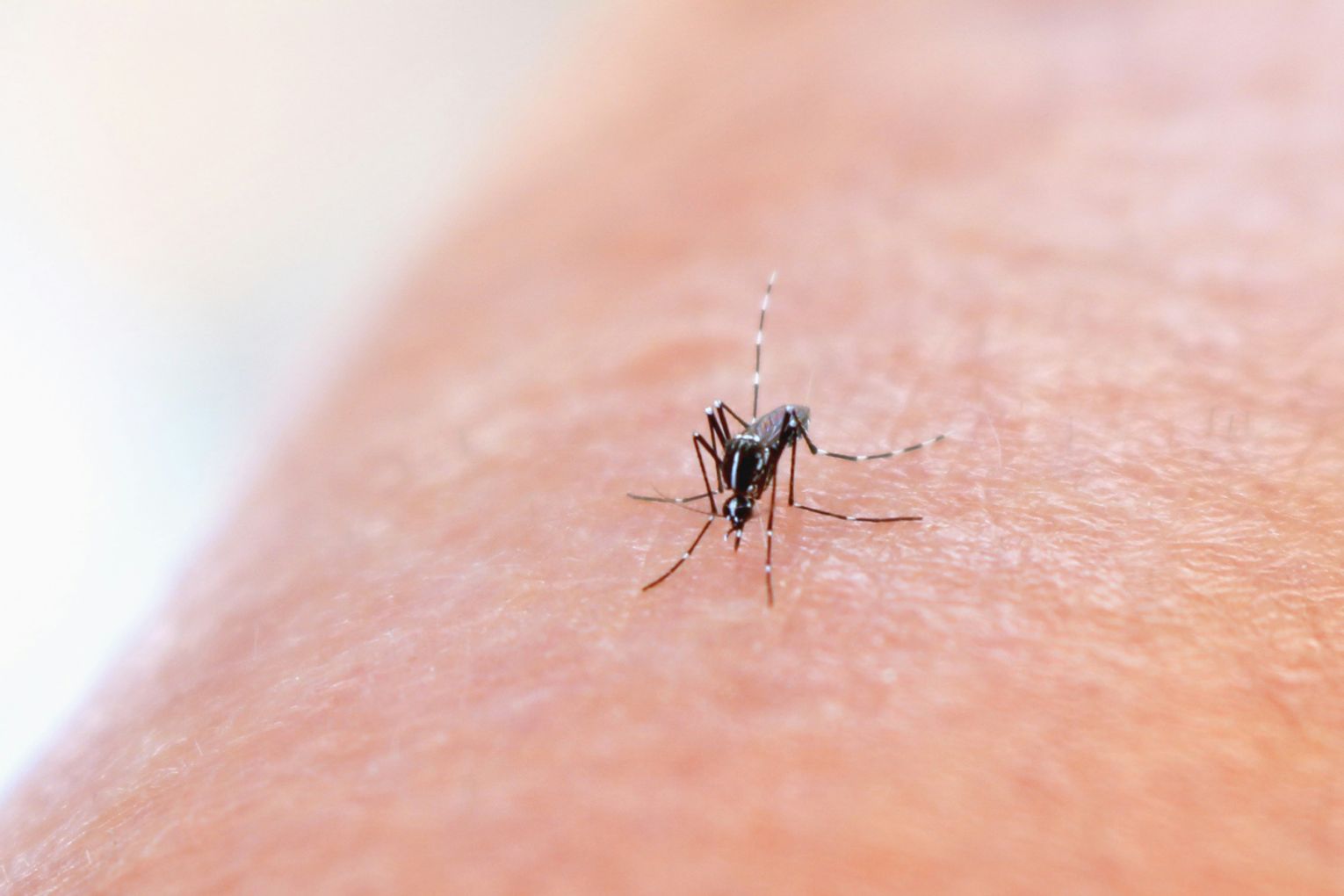
The risk of Ross River Virus rises in warmer temperatures, according to a recent review of research mapping studies from across the country.
Researches say the review has bridged a gap in the understanding of temperature impacts on the common mosquito-borne disease within inland Australia.
Around 3000 cases of Ross River Virus are reported annually, a disease that can cause a rash, fever and join pain. Most of those who contract the virus recover within weeks, but in some cases, the systems can persist long term.
The virus can be spread by more than 40 different mosquito species. Common hosts include kangaroos, wallabies, bats, horses and dogs.
Researchers analysed 30 Ross River Virus-related studies and found that cases increased when temperatures were higher, though there were differences across geographic regions.
You might like


Lead author from University of Adelaide, Christina Mary Varghese, said high temperatures affected the number of cases in coastal Queensland locations of Brisbane, Cairns, Townsville, Mackay, Gladstone, Bundaberg, Redland and Darling Downs.
“It is very hard to predict Ross River Virus outbreaks, with a complex range of factors contributing to increased risk, including rainfall, humidity, and stagnant water conditions,” Varghese said.
Varghese also said that cases of the virus spike at around the 26 degree celsius mark, with most cases occurring between 17 and 31 degrees.
“Some studies found that minimum temperature appeared to increase the risk of the Ross River Virus infections in Darwin and in some inland regions of SA, Victoria and Queensland,” Varghese said.
Stay informed, daily
The study also looked at Barmah Forest Virus, another common mosquito-spread virus, which can cause joint pain and swelling, rash, flu-like symptoms and swollen lymph glands.
“One of our biggest findings was that studies of Ross River Virus and Barmah Forest Virus have mostly centred on the coast. There is very little data on smaller towns and few related to Ross River Virus in Queensland,” Varghese said.
She encouraged Australians to wear light-coloured clothing and to use mosquito nets and repellants during summer to prevent contracting Ross River Virus, Barmah Forest Virus or Japanese Encephalitis.
“When it’s summer holidays more of us are likely to be out and about, swimming, camping, and fishing, increasing the risk of mosquito bites,” Varghese said.
Senior author and University of Adelaide professor, Peng Bi, said the study exposed a knowledge gap about how climate change affects cases in different regions.
“There has been no Australian based study assessing associated healthcare costs, nor projecting future disease burden under different climate change scenarios – this is a key knowledge gap that needs to be addressed. We need to better understand how our changing climate is going to influence risk in different regions,” Bi said.
Mosquito activity increased in warm temperatures, particularly around floodwater, swamps, salt marshes, wetlands and other standing water, the report found.
Other preventative measures included removing standing water from around the home, covering openings to water storage and keeping gutters clear and lawns mowed.
Public Health Association of Australia chief executive officer Terry Slevin said Australia’s new Centre for Disease Control would watch links to temperature closely.
“As the Australian weather warms due to climate change, we are likely to see different parts of Australia exposed to mosquito carried diseases like Ross River Fever and Barnah River Virus,” Slevin said.
The review was led by the University of Adelaide and published by the Australian and New Zealand Journal of Public Health.
Want to see more stories from InDaily Qld in your Google search results?
- Click here to set InDaily Qld as a preferred source.
- Tick the box next to "InDaily Qld". That's it.