‘Granfluencers’: New era of Aussies taking on TikTok
Queensland is home to some of the biggest social media personalities on the planet, and a new wave of ‘Granfluencers’ are proving age really is just a number when it comes to amassing followers.
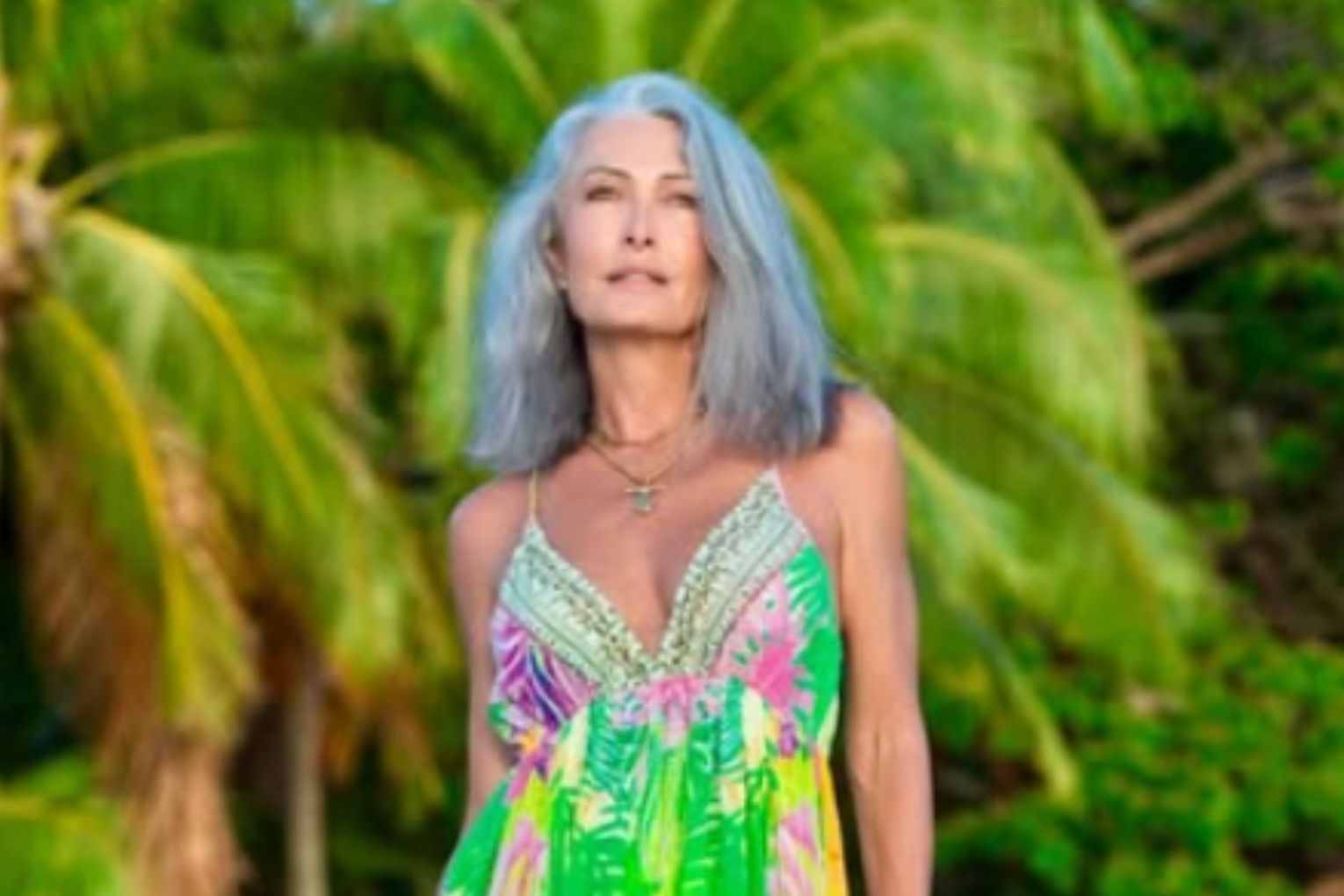
A new wave of social media influencers are taking on TikTok.
Web-savvy seniors, dubbed ‘Granfluencers’, are proving age is no barrier on the platform once considered for the young. Dr Rashid Saeed from The University of Queensland’s business school said influencers over the age of 60 were becoming increasingly popular, with a real potential to steer trends among one of the tourism industry’s biggest segments; older tourists.
Queenslander Rachel Waller embraces her age in the 60s, while showcasing her timeless beauty in magazines such as Harper’s Bazaar – taking her 13.3k instagram followers along for the ride.
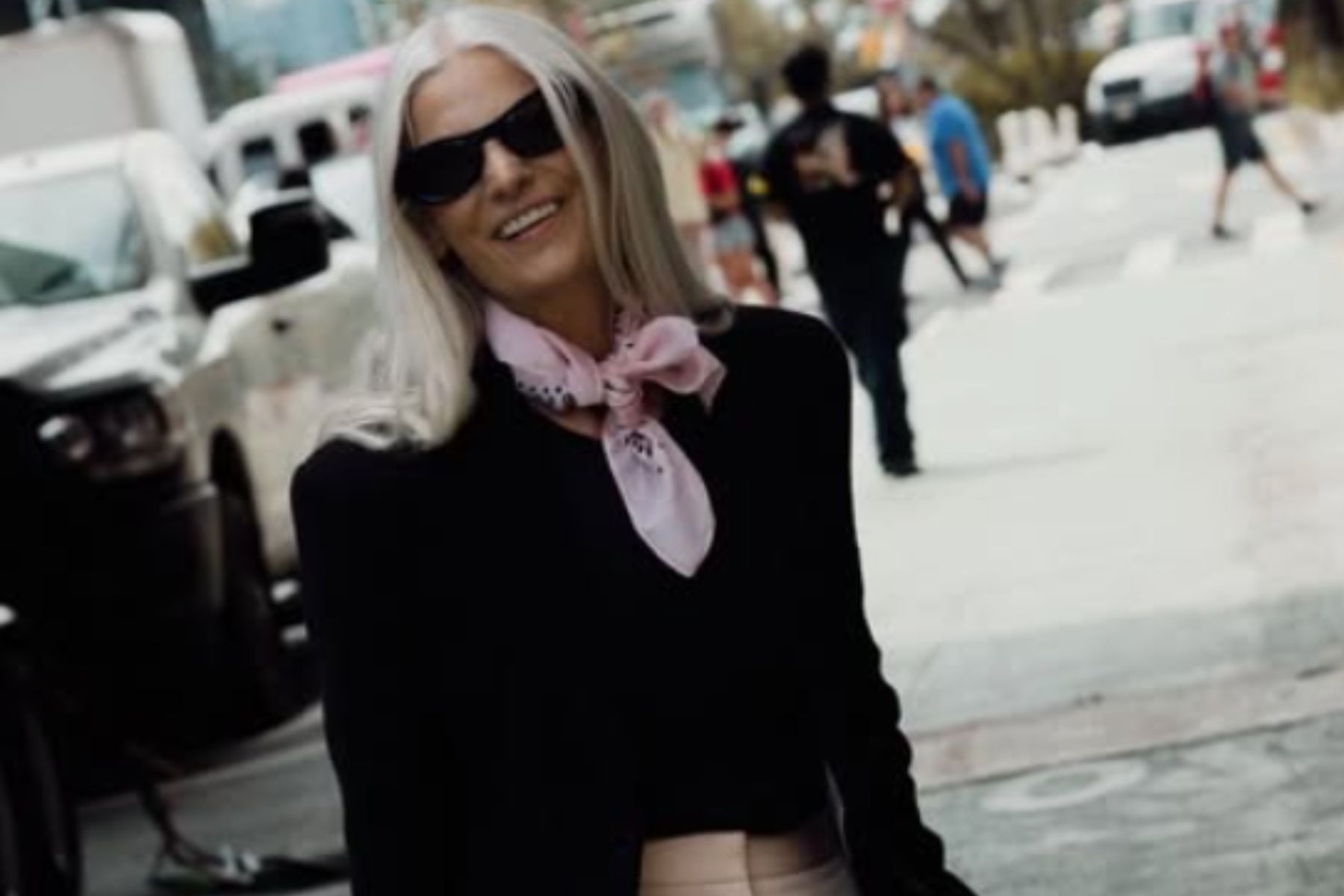
Other Granfluencers amassing huge followings on Instagram include, Baddie Winkle (@baddiewinkle), Grandma Droniak (@grandma_droniak) and The Old Gays (@theoldgays).
You might like
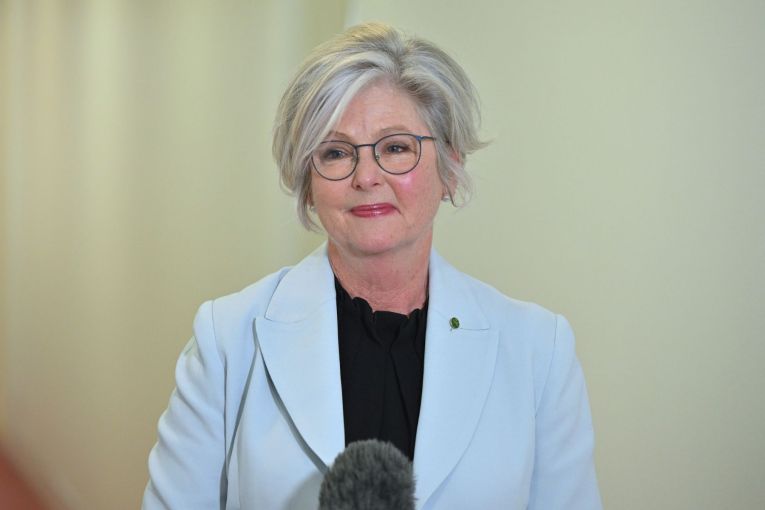
While Queensland-based influencer Luisa Dunn is still in her mid 50s but describes herself as an “anti-ageist, no fashion rules model”.
She has amassed a whopping 1.5million followers on instagram documenting her hair’s transition to grey.
Saeed said while younger influencers often present carefully curated and idealised personas, ‘granfluencers’ stand out for their authenticity, wisdom and relatability, Saeed said.
Dr Saeed was part of a study that investigated the effectiveness of two types of granfluencers – old-age-defying granfluencers who broke elderly stereotypes and non-old-age-defying.
Stay informed, daily
“Across three experimental studies, participants consistently responded more positively to age-stereotype-defying ‘granfluencers’ than they did to conventional depictions of ageing,” Saeed said.
“People reported stronger emotional engagement, more favourable attitudes toward travel brands and a greater intention to book experiences.”
People aged over 60 are projected to make up nearly a quarter of the global population by 2050, according to the World Health Organization.
Which is why the travel experiences of older Australians performed well online, Saeed said.
“Solo travel among older adults is also rising, with travellers over 65 increasingly exploring destinations on their own terms,” Saeed said.
“By portraying older adults as capable, adventurous and future‑focused, they contribute to a more inclusive understanding of ageing, one that resonates across generations.”
The study found old-age-defying granfluencers improved attitudes towards the brand, enhanced purchase intention, and most crucially, evoked high levels of hope.
“These findings show that late-life influence in tourism is not only viable, but also powerful, when communicated through stereotype-challenging narratives that affirm vitality, agency and future possibilities,” the study concluded.
“By eliciting hope through stereotype-challenging imagery, granfluencers may trigger motivational processes that encourage consumers to reimagine aging and re-evaluate their future orientation, particularly in symbolic consumption categories like tourism.”
Want to see more stories from InDaily Qld in your Google search results?
- Click here to set InDaily Qld as a preferred source.
- Tick the box next to "InDaily Qld". That's it.