Tragic details emerge after teen’s island death
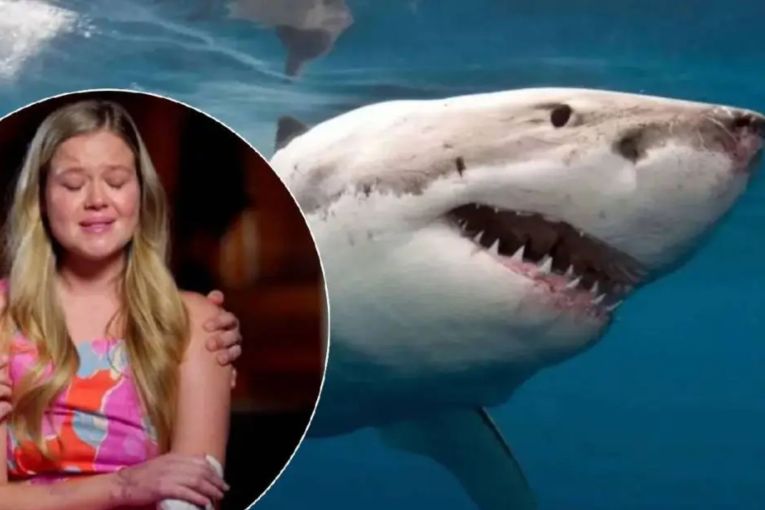
The devastated family of a teenager who died surrounded by dingoes say their hearts are shattered as they wait for news on the cause of her death.
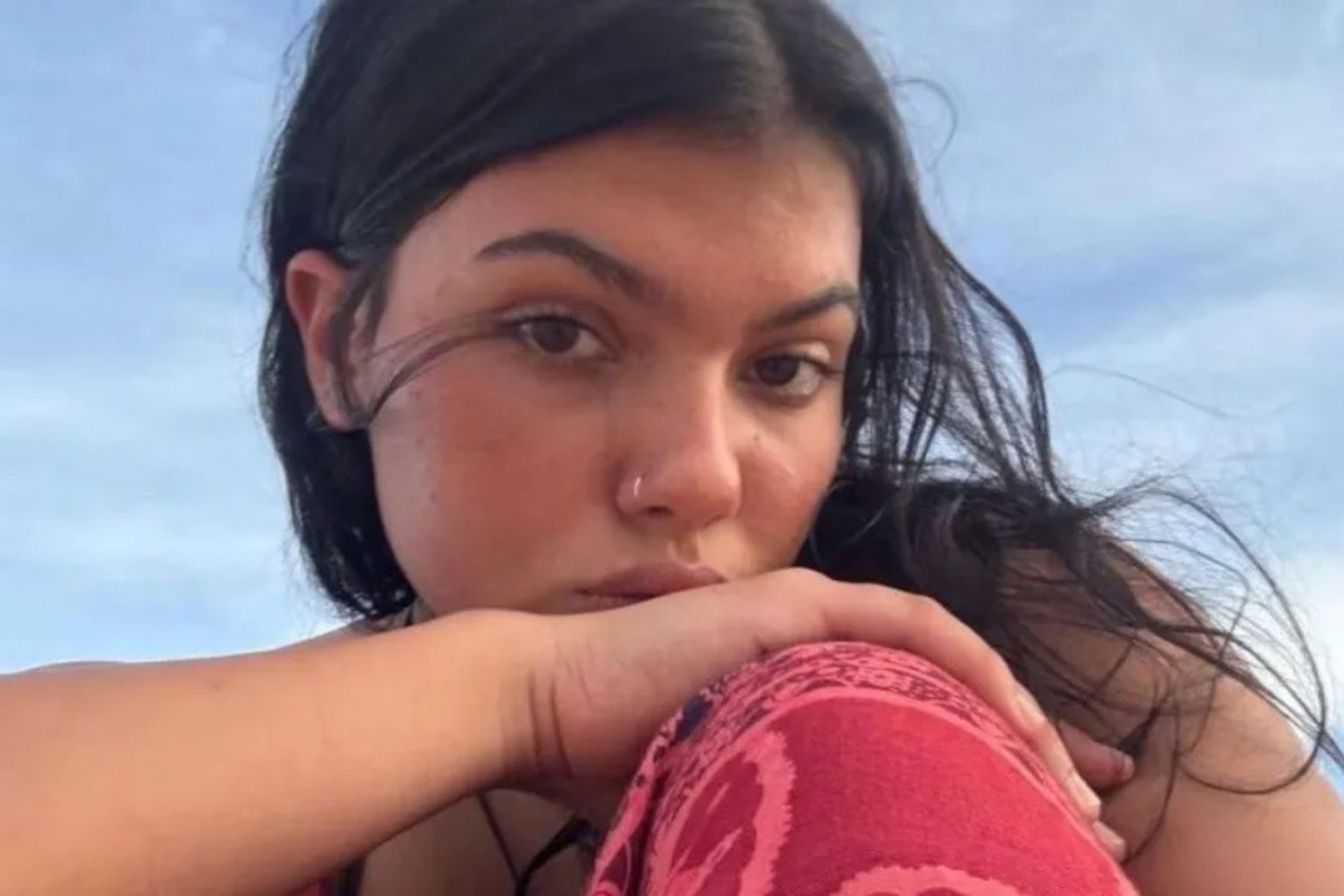
The father of a teenager found dead surrounded by wild dingoes at an iconic Australian tourist spot says her family’s “hearts are shattered” by the tragedy.
Canadian backpacker Piper James, 19, was on a holiday of a lifetime on Queensland’s K’gari (Fraser Island) when she went for an early morning swim on Monday.
She never returned.
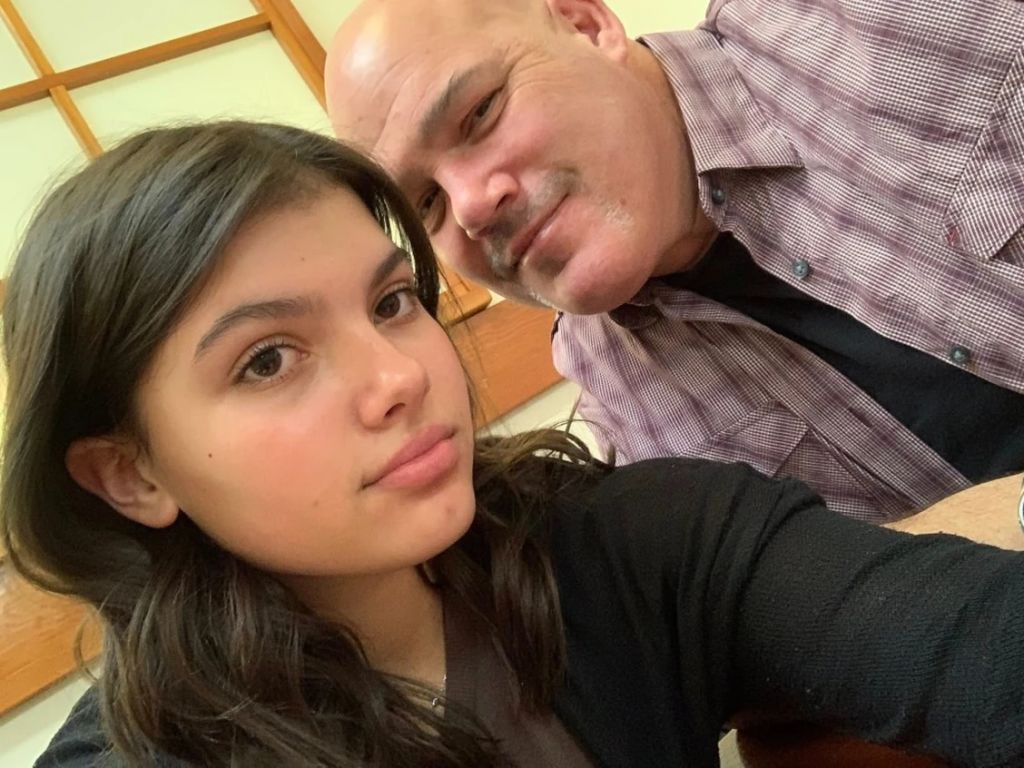
Piper James has been remembered by her family as a ‘kind spirit’. Photo: Supplied
Police have not confirmed whether Ms James drowned or died as a result of a dingo attack.
Her cause of death will be determined at a post-mortem examination set to be conducted on Wednesday.
You might like

The results will bring answers for her shattered family who are struggling with the loss of a teenager remembered for her infectious laugh and determination to follow her dreams.
“Our hearts are shattered as we share the tragic loss of our beautiful daughter, Piper,” her father Todd James said in a social media tribute.
“We will always remember her infectious laugh and her kind spirit. I admired her strength and determination to go after her dreams.”
James had been living and working at a backpackers on K’gari alongside a friend from Canada for about six weeks.
Her father had approved of her trip to Australia, saying his daughter had joked: “Because I’m 18, and you can’t stop me!”
“I loved hearing about and seeing the bonds and friendships she was developing as she grew into her beautiful self,” he said.
“Piper would work hard so she could play hard.
“So many are going to miss you, my precious little baby girl. Maybe gone, but how can we ever forget you? The pain…RIP my baby.”
Stay informed, daily
Grandmother Penny Vanalstine Marshall said James was a beacon of strength who would be cherished forever.
“She was the most happy-spirited girl,” she said.
“She had a spirit of unbridled joy and courage. She was a beacon of strength and fearless adventure.
“She was also the most caring girl you could meet.”
Rangers increased patrols across the island following the tragedy which came just weeks after a warning about aggressive dingo behaviour near where James was found.
Queensland Premier David Crisafulli on Wednesday ruled out a tourist ban on the island as authorities waited for the autopsy results.
“A young woman … has lost her life on the holiday of a lifetime and that’s really troubling,” he said.
“We have to acknowledge that and then turn our attention to the next step which is the authorities doing the autopsy to get the cause of death.”
Rangers warned of “heightened dingo activity” in the area where James died only weeks before the tragedy after reports of wild dogs ripping tents, approaching campers and stealing food and property.
The warning remains in place on K’gari for the summer holiday period until January 31.
Crisafulli described K’gari as a “really special part of the state”.
“We should be respectful, and we should acknowledge the tragedy for the family, for the broader community on K’gari – it’s really tough,” he said.
“We’re determined to get to the bottom of the cause, and then we respond.
“But … during the course of the debate, let’s not lose sight that a young woman has lost her life.”
-with AAP
Want to see more stories from InDaily Qld in your Google search results?
- Click here to set InDaily Qld as a preferred source.
- Tick the box next to "InDaily Qld". That's it.