Rate hike risk as inflation rises
A Reserve Bank rate hike is on the cards for February, after the central bank’s preferred inflation measure came in above forecast.
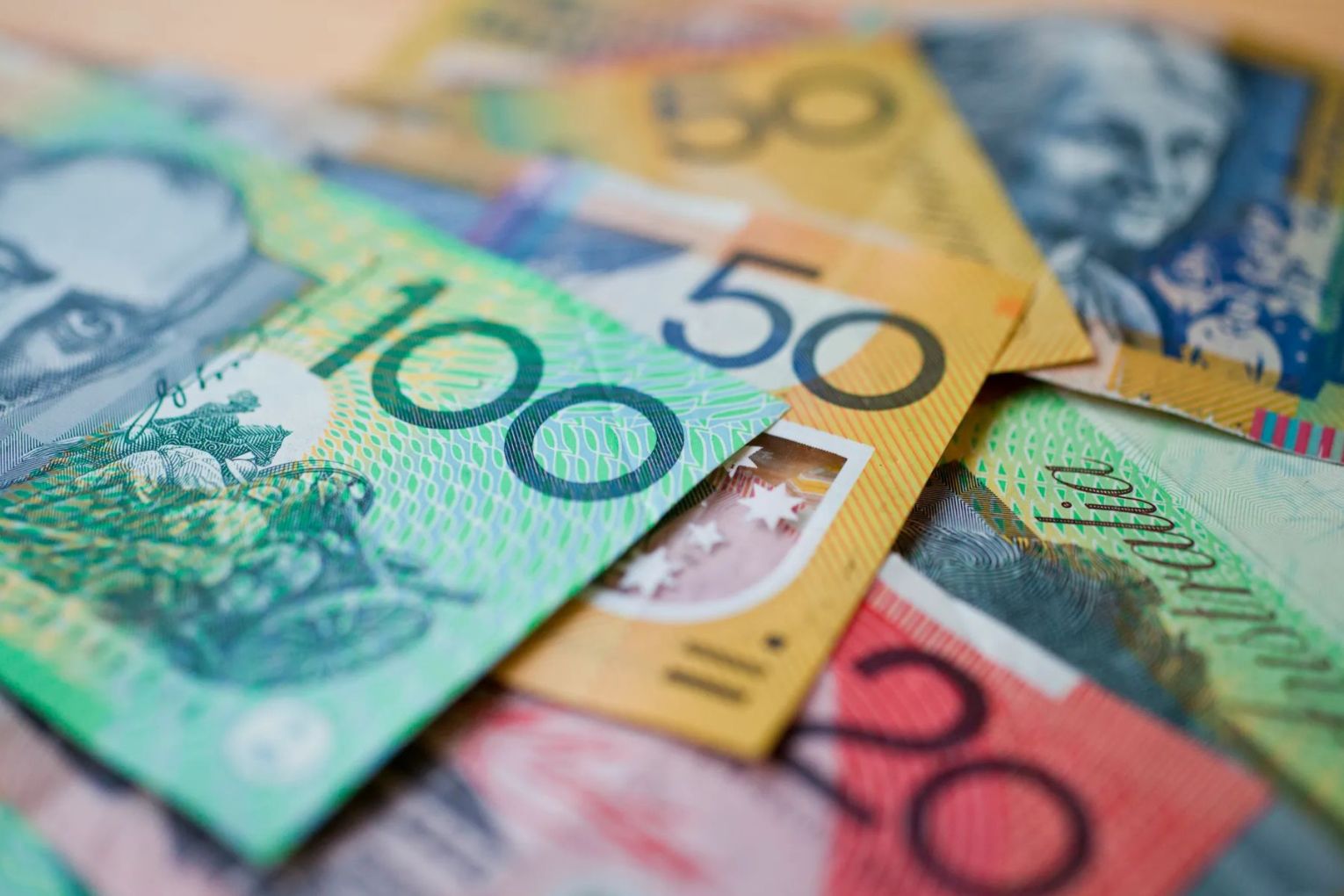
Core inflation exceeded Reserve Bank forecasts in 2025, climbing to 3.3 per cent and setting the scene for a painful interest rate hike in February.
The RBA’s preferred measure of inflation – the quarterly trimmed mean – came in at 0.9 per cent in the three months to December, the Australian Bureau of Statistics reported on Wednesday.
That put annual growth in the measure, which strips out volatile items and gives a more reliable read on underlying price growth, above the RBA’s forecast of 3.2 per cent.
In September, the quarterly trimmed mean came in at 3 per cent.
Ahead of Wednesday’s release, the consensus prediction of forecasters had been for a rise of 0.8 per cent for the quarter, in line with the RBA.

Given recent labour market and household spending data has also been running hotter than expected, the upside surprise on inflation will heighten fears of a rate hike at the central bank’s first meeting of the year next Tuesday.
BDO chief economist Anders Magnusson said the figure “reinforces the message from the September quarter that underlying price pressures are proving more persistent than expected”.
“With inflation now overshooting the Bank’s forecast for two consecutive quarters, the likelihood of a rate hike has increased substantially,” Magnusson told InDaily.
“Markets were already pricing a significant chance of tightening, and today’s result will only strengthen that expectation.”
Economists at NAB accurately predicted core inflation to rise to 3.3 per cent year-on-year, which would be enough to convince the RBA that a February hike was necessary, they said.
Ahead of the inflation release, traders were pricing in the chance of a February rate hike at about 60 per cent, after a drop in the unemployment rate to 4.1 per cent heightened the RBA’s fears about a lack of spare capacity in the labour market.
Stay informed, daily
Headline inflation rose 3.8 per cent over the year, up from 3.2 per cent in September.
The rise in the CPI was driven by housing, up 5.5 per cent, followed by food and non-alcoholic beverages, up 3.4 per cent, and recreation and culture, up 4.4 per cent.
Electricity costs rose 21.5 per cent in the 12 months to December, largely due to state electricity rebates in Queensland and WA being used up by households.
-with AAP
Want to see more stories from InDaily Qld in your Google search results?
- Click here to set InDaily Qld as a preferred source.
- Tick the box next to "InDaily Qld". That's it.