State govt approves habitat-clearing coal mine expansion
The state government has approved the extension of a coal mine in Central Queensland, which will allow for the destruction of nationally significant koala habitat.
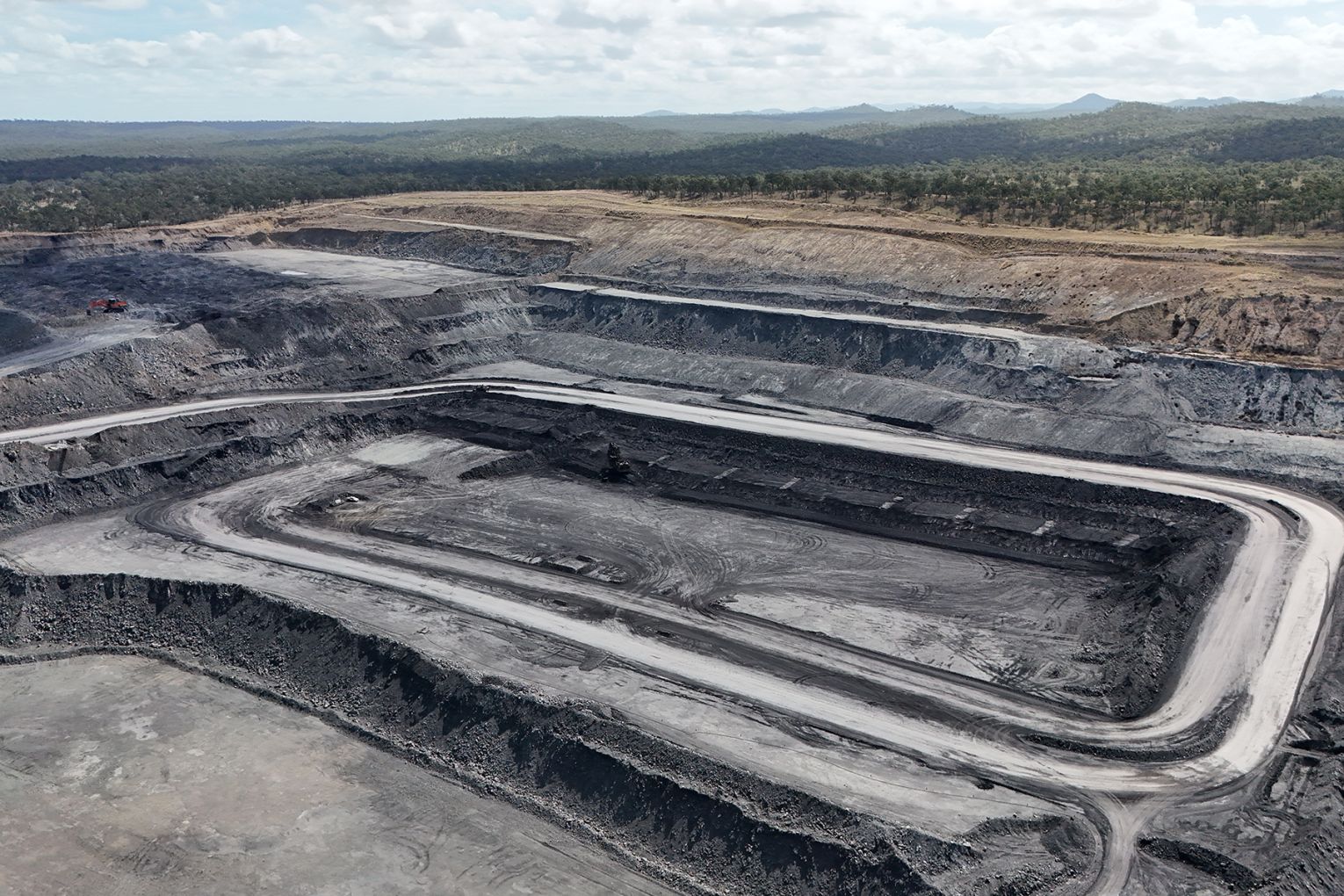
Glencore’s Hail Creek coal mine on Widi country in Central Queensland, one of Australia’s most methane-intensive open-cut mines, recently received approval from the state government to expand.
The Hail Creek extension will mine an additional 29 million tonnes of thermal and metallurgical coal, which will extend the mine’s life for another three years.
The approval will also allow Glencore to clear 600 hectares of ‘nationally significant’ koala habitat to dig a new coal pit adjacent to the Homevale National Park.
Environmental groups are calling on the federal government to reject the mine’s application for approval before the land is cleared.
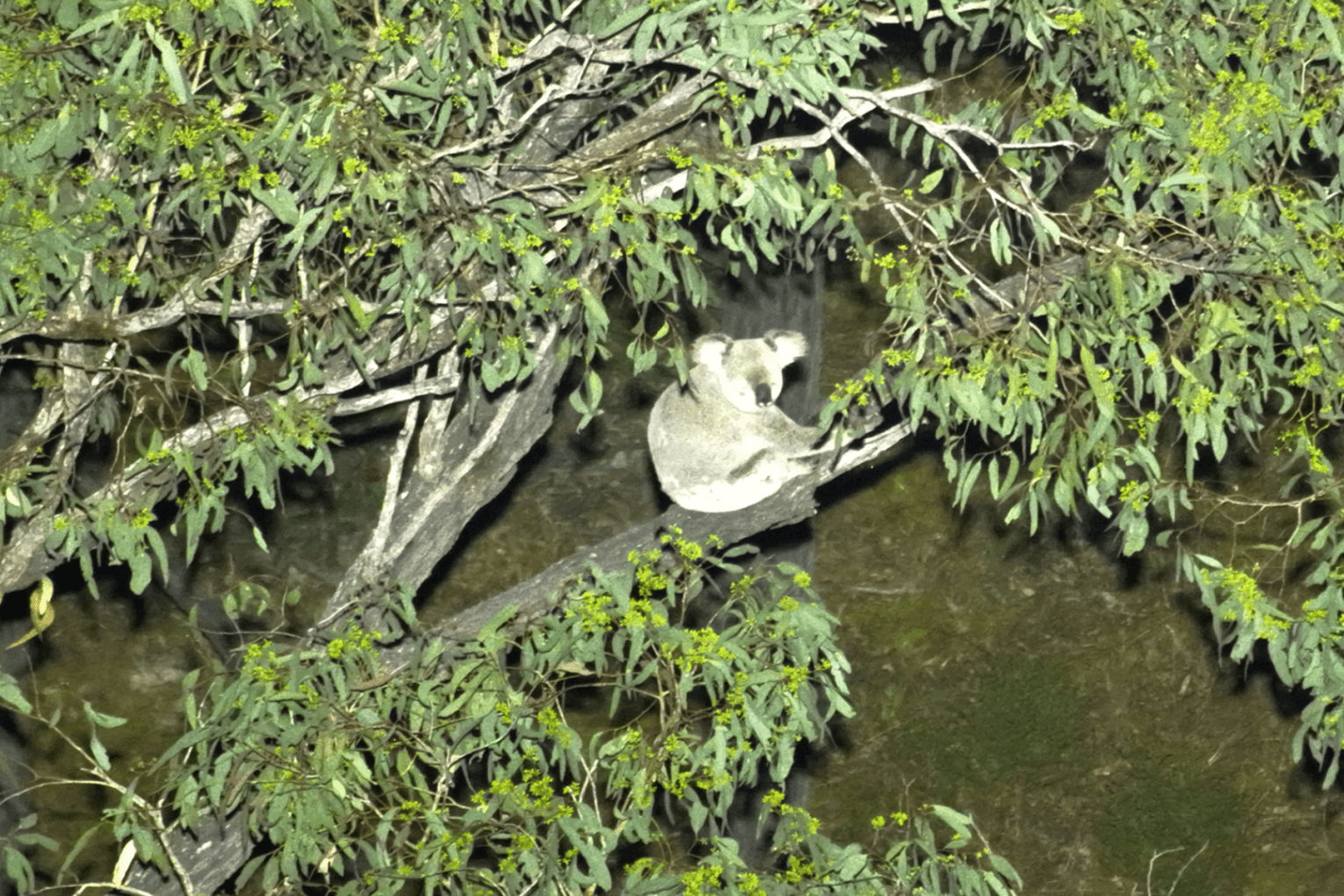
In June 2025, grassroots movement Lock the Gate found the area was home to at least 13 koalas within a 160-hectare area through thermal drone koala surveys.
Lock the Gate Alliance Central Queensland coordinator Dr Claire Gronow said this decision would drive up the cost of insurance, repairs and food.
“The area contains nationally significant koala habitat and we found a high-density population in the footprint of Glencore’s proposed coal mine using thermal drone technology,” Gronow said.
You might like


She added that Hail Creek was one of the most methane-polluting open-cut coal mines in Australia, which the Crisafulli Government has placed no pollution mitigation or reduction conditions on.
“Glencore says it will complete a study into ‘pre mine drainage’ of methane in two years’ time, well after mining starts,” Gronow said. “Pre-mine drainage of harmful methane gas needs to occur pre-mining, not two years after mining commences.”
Hail Creek has been a topic of controversy in the past due to several peer-reviewed studies identifying the mine as a ‘super polluter’ with claims that it has been grossly under-reporting its methane pollution.
A UNSW study from 2015 found Hail Creek’s methane pollution could be between three and eight times higher than what it has been reporting to the Australian Government.
The new environmental authority does not include any specific requirements for Glencore to manage methane population.
In 2024-25, the Hail Creek mine produced 51 per cent thermal coal and 49 per cent metallurgical coal.
Queensland Conservation Council’s coal and gas campaigner Charlie Cox said it was disappointing the Crisafulli Government was willing to bulldoze the home of a significant koala population, but that the final decision belonged to the federal environment minister.
“Will Minister Murray Watt do his job, prove our national environmental laws actually mean something, and protect koala habitat from being bulldozed, or will he prioritise the profits of a super polluting coal mine?” Cox said.
Stay informed, daily
She added that the Queensland LNP government should be protecting residents from climate crisis dangers rather than approving coal mining projects.
“Every new coal project locks in more damage and pushes insurance premiums and recovery costs higher for families already stretched to the limit.”
Cox added that Queensland communities are still recovering from some of the worst floods on record, and more coal mine approvals will only make the next disaster more severe.
“Cutting methane is one of the fastest ways to slow global warming within our lifetime. Ramping it up with projects like Hail Creek does the exact opposite, accelerating the crisis when we should be slamming the brakes.”
Glencore rejected the claims made by the Australian Conservation Foundation in relation to emissions from Hail Creek mine, labelling them as “inaccurate and misleading”.
Mackay conservation group coordinator Emma Barrett said the demand for both metallurgical and thermal coal is forecasted to decline significantly, and that the state government should focus on supporting workers and communities instead.
“The Queensland government’s decision to sacrifice a nationally significant population of koalas for three more years of coal mining is short-sighted and bloody-minded,” Barrett said.
“We should be doing all we can to pull koalas back from the brink of extinction and save their habitat, not destroying the bush where they live just for Glencore to mine coal for a few more years.”
Since 2018, the Glencore Hail Creek mine has produced more than 8,192,000 tonnes of saleable product, employed 1090 employees and contractors and spent more than one billion dollars on goods and services.
In response to these claims, Glencore released a statement assuring the continuance of greenhouse emission management in compliance with the national Safeguard Mechanism.
Glencore said it has made a emissions related commitments, including implementing a GHG Abatement Plan, undertaking a gas pre-drainage study, as well as conducting ongoing reviews of existing and emerging emission reduction technologies.
“We recognise the importance of accurate measurement of methane emissions and Hail Creek mine calculates fugitive emissions using Method 2 under the Australian National Greenhouse and Energy Reporting (NGER) Scheme, which is the most accurate regulated method utilised in Australia for open-cut mines,” the statement said.
Want to see more stories from InDaily Qld in your Google search results?
- Click here to set InDaily Qld as a preferred source.
- Tick the box next to "InDaily Qld". That's it.